Cookies are small text files that are placed on your computer by
websites that you visit. They are widely used in order to make
websites work, or work more efficiently, as well as to provide
information to the owners of the site.
Here is a list of cookies this site uses:
Cookie name
Description
existing_user
Stores the email address used to previously log into the site, used to prefill forms like on the reset password screen
authchallenge
Authentication security checks
hcart
Stores the anonymous customer\'s cart token. If items are added to the card while not logged in, if you log in the items will be added to the customer\'s existing cart
hannants
Stores the session information while you remain on the site
pricer
Stores if the export or eu prices is selected on the catalogue page
hidefilter
Stores if the search filter panel is hidden or shown
AWSELB
Stores which server you\'re connected to so to access the same server while you navigate around the site
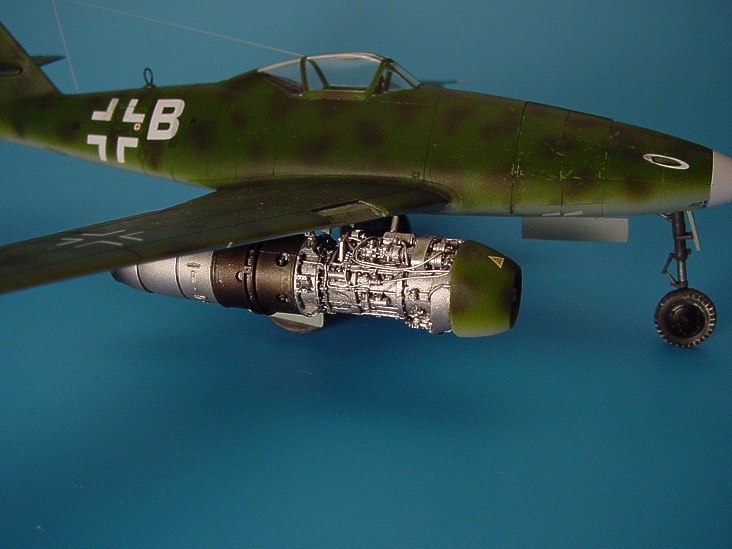
Messerschmitt Me-262 engine detailing (designed to be used with Tamiya kits) Contains two highly detailed Junkers Jumo 004 engines, engine mounts, covers....
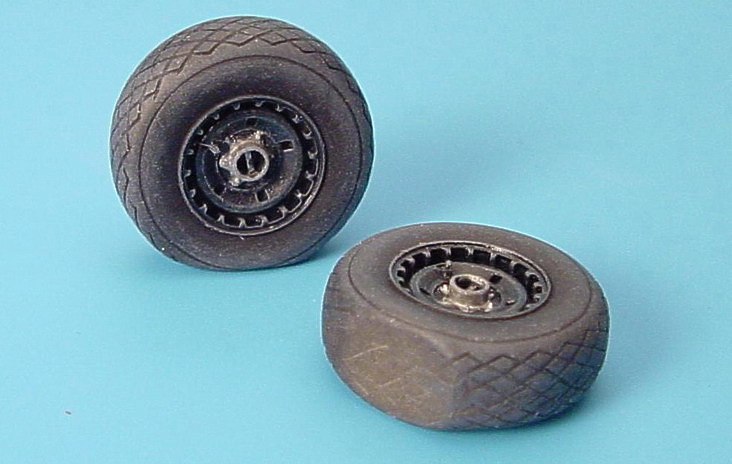
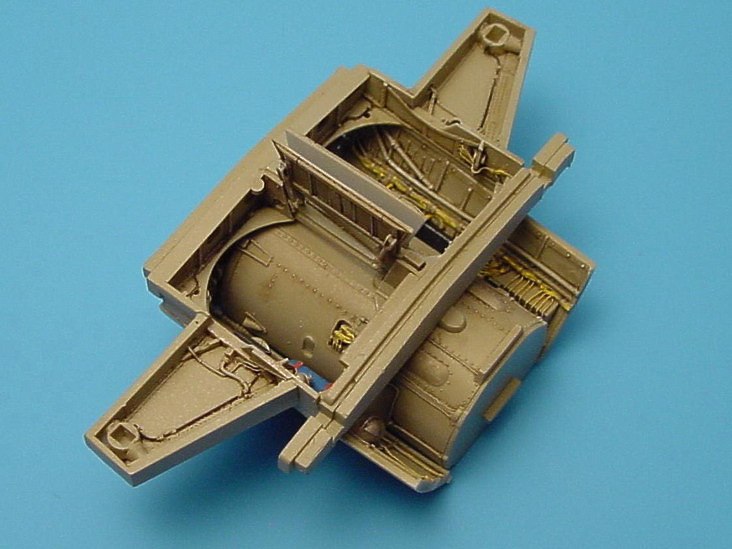
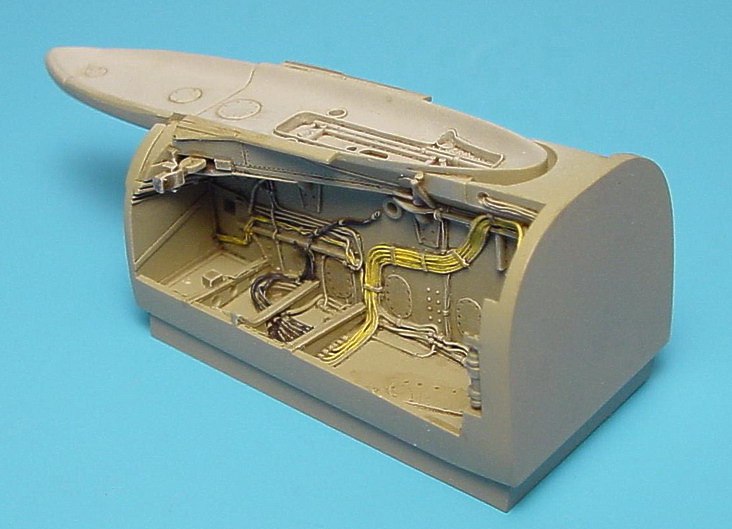
Arado Ar-234B 'Blitz' main wheel bay (designed to be used with Hasegawa, Hobby 2000 and Revell kits)* [Ar-234C-3 Ar-234B-2 Ar-234B-2/NAr-234C-3 Ar-234B-2 'Blitz' Arado Ar-234B-2/N]
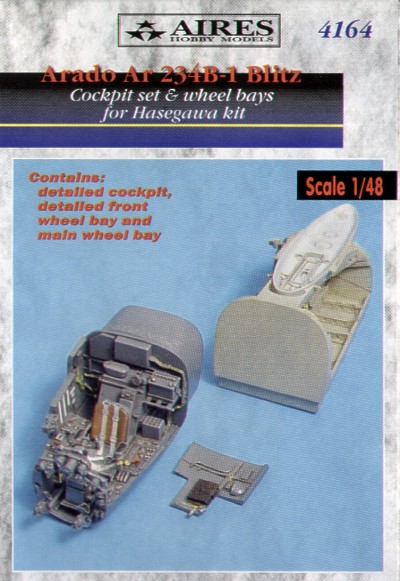
Arado Ar-234B 'Blitz' wheel bay and cockpit set (designed to be used with Hasegawa, Hobby 2000 and Revell kits)[Ar-234C-3 Ar-234B-2 Ar-234B-2/NAr-234C-3Ar-234B-2 'Blitz' Arado Ar-234B-2/N]
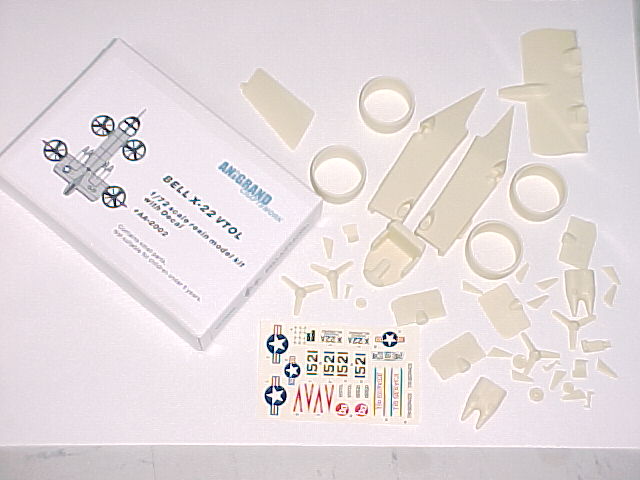
Bell X-22 Tilting ducts VTOL experiment. During early 1950s, Bell Aircraft began studying conventional propeller and jet design. In 1957, Bell signed contract from Navy for design of ducted propeller assault transport with VTOL capability. This study also caught attention of the Air Force, Marine Corp and Army, and joined for study during 1959. In 1962, Bell and Navy signed contract for the new test-bed, designated X-22. Its d...
Curtiss-Wright X-19 Tilt-propellers VTOL experiment. In 1958, Curtiss-Wright started the four passengers VTOL commercial aircraft program without any government support. It was designed with a tilting propeller at each wing tip that a nacelle could rotate in pointing vertical for take off and landing and pointing horizontal for cruise. When the two prototypes were almost completed, Curtiss-Wright decided to offer these two air...
Lockheed F-104G/F-104S details. Vac form canopy, etched parts, cockpit, separate control surfaces, engine box and radar (designed to be used with Hasegawa kits)




 Advanced Search