



 Advanced Search
 « Go back« Go backPrevious Product (AH70080)Next Product (AH70078)
Arma Hobby AH70079
- Description:
-
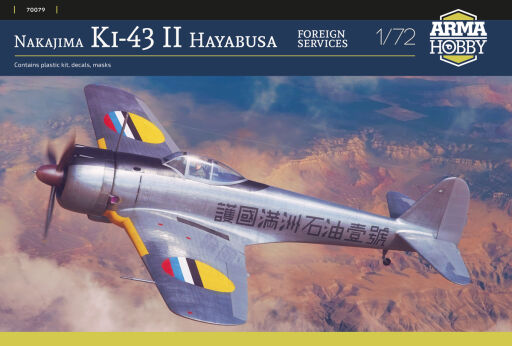
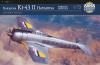
Nakajima Ki-43-II Foreign Service
Kit contains:
Plastic sprues (grey and clear)
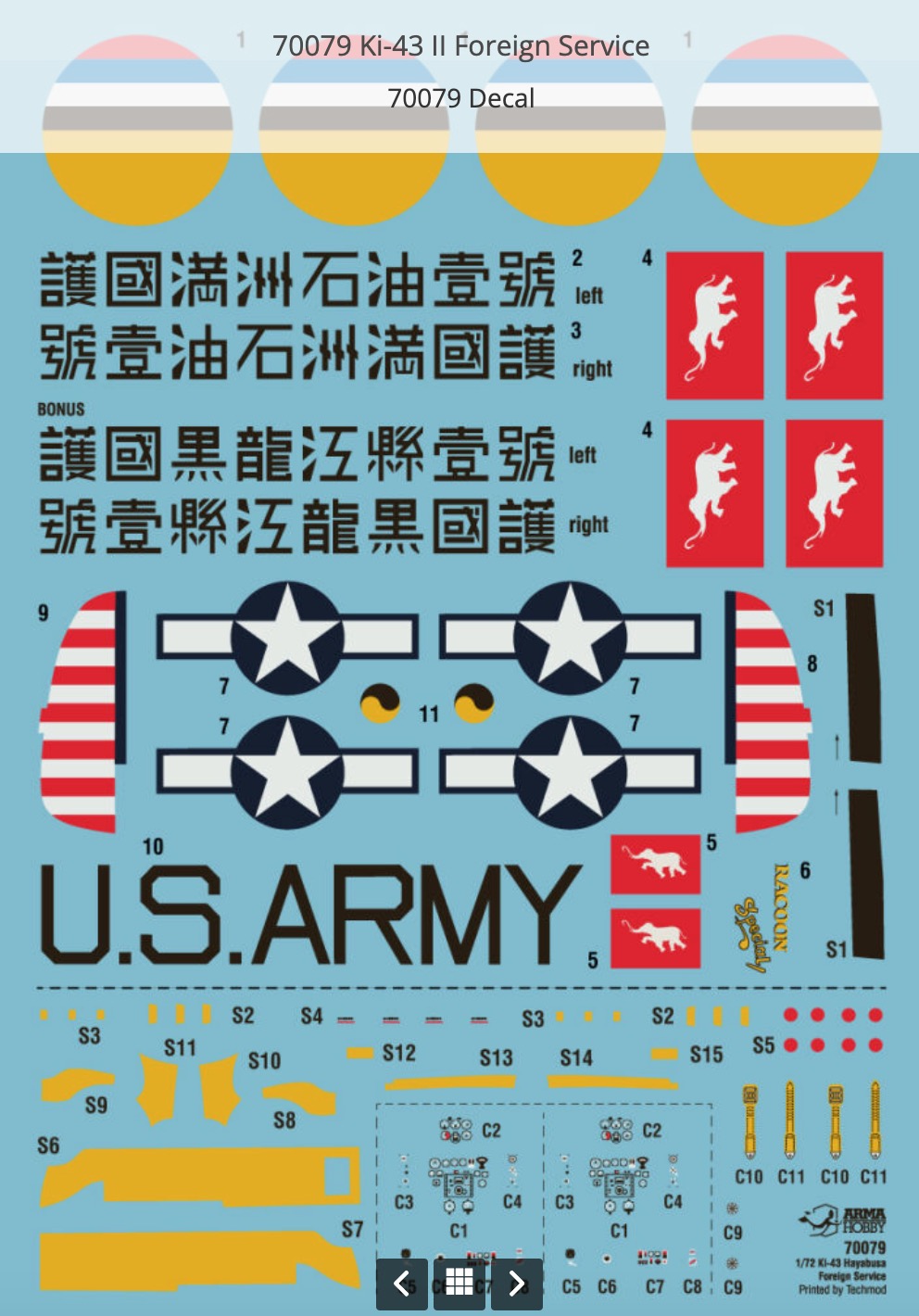
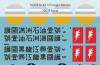
Decals for three marking options
Self-adhesive masks for painting the canopy and wheels
Instructions
Free 3D file for self-printing
QR code and link in the kit instructions to download free 3D file with accessories for self-printing.
3D file includes:
exhaust pipes - two types
former with pilot's seat and seatbelts
gun barrels
oil cooler
fuel cooler
Marking options:
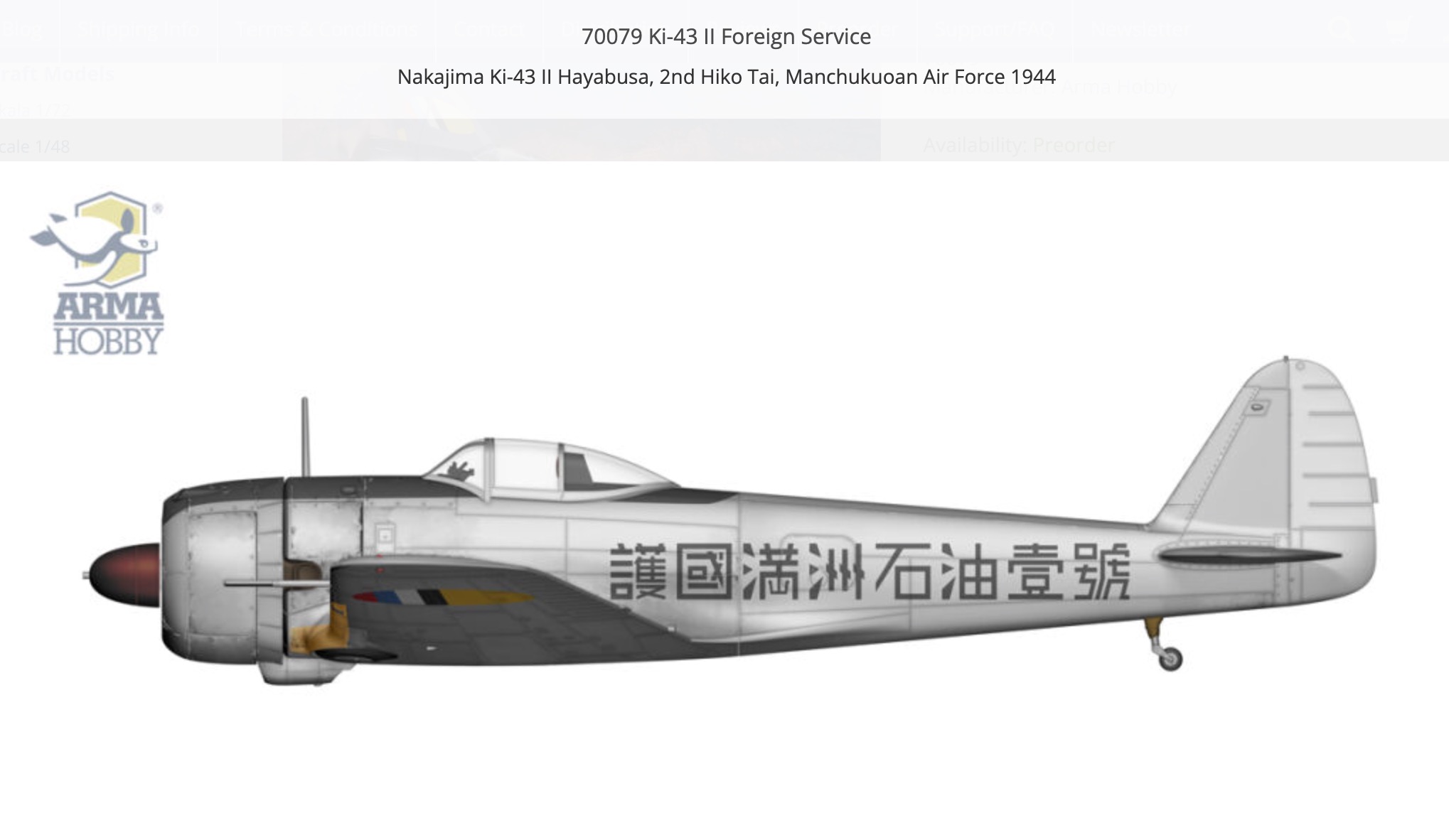
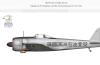
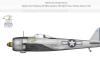
Nakajima Ki-43-II Hayabusa, 2nd Hiko Tai, Manchukuoan Air Force 1944
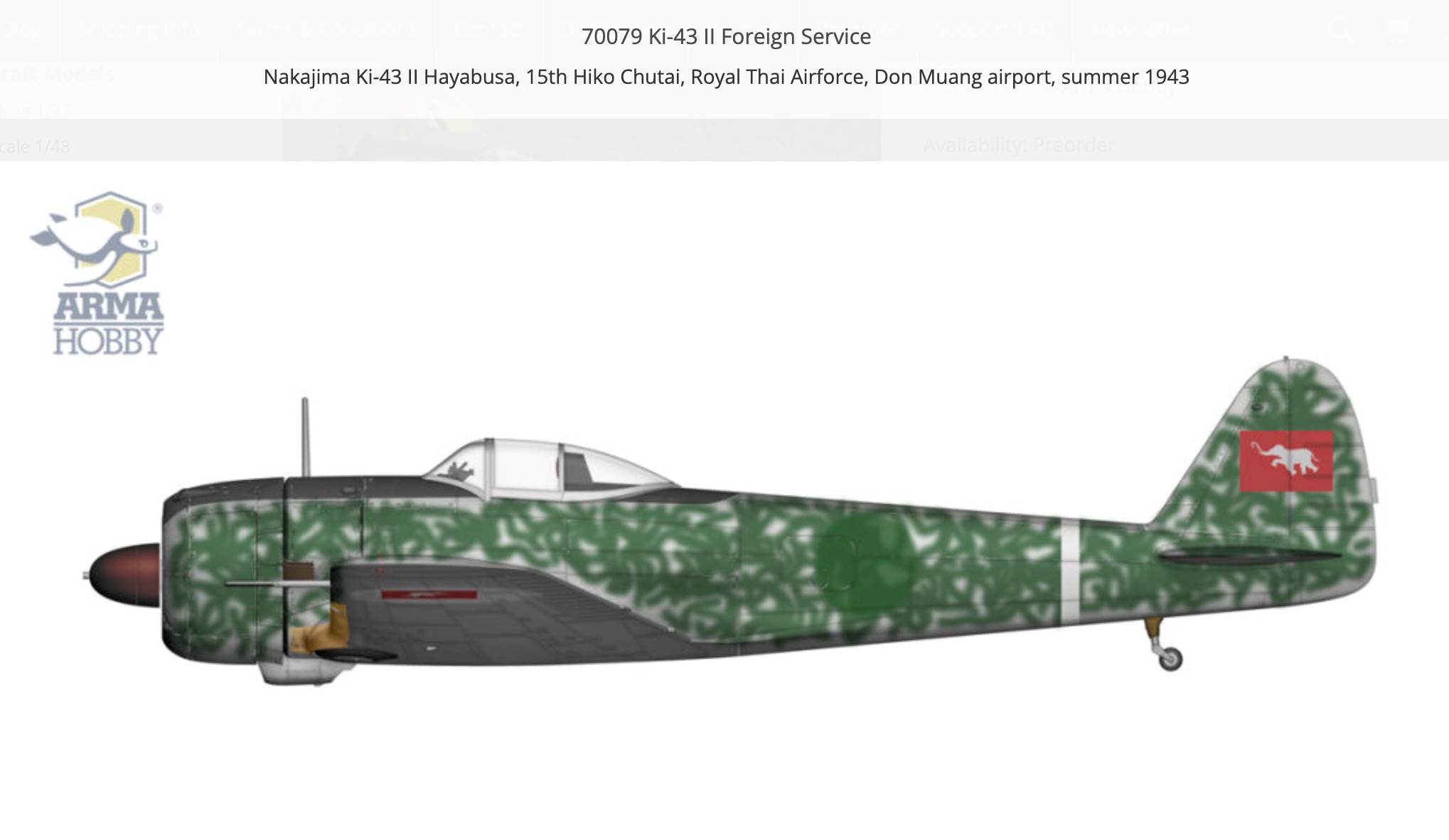
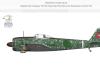
Nakajima Ki-43-II Hayabusa, 15th Hiko Chutai, Royal Thai Airforce, Don Muang airport, summer 1943
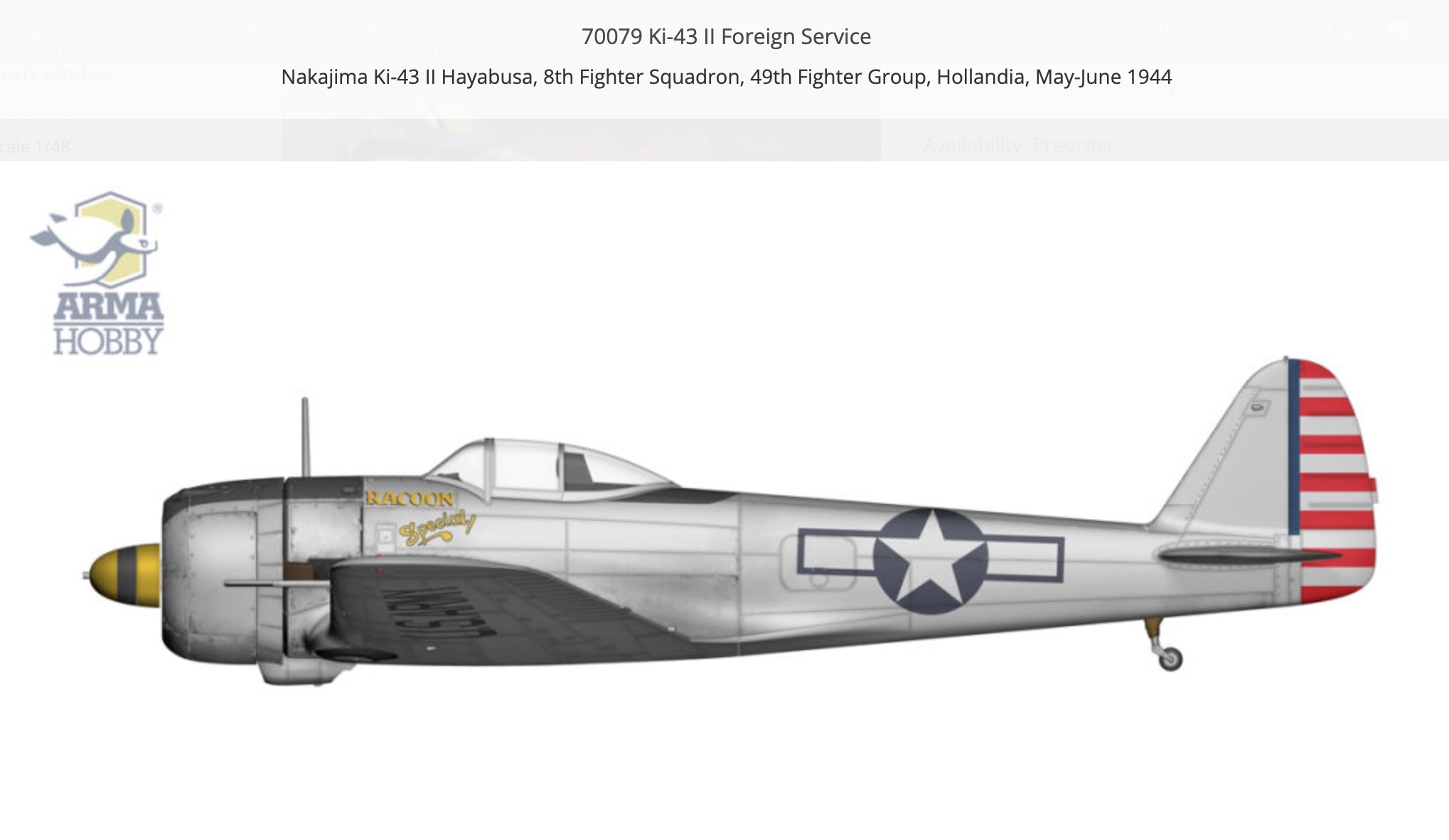
Nakajima Ki-43-II Hayabusa, 8th Fighter Squadron, 49th Fighter Group, Hollandia, May-June 1944
Ki-43-II Foreign[+] More... - Manufacturer:
- Arma Hobby
- Code Number:
- AH70079
- Scale:
- 1:72
- Item type:
- Aircraft kits (injection)
- Price:
- £19.99
- Order Quantity:
- Quantity In Stock:
 20+
20+
- Availability:
- This will usually be dispatched within 24/48 hours of receiving your order
- Wish List:
- Department:
- Limited Availability
GPSR information:- Manufacturer Email:
- [email protected]
- Manufacturer Address:
- Arma Hobby S.C. Berneńska 9D 03-976 Warszawa, Poland tel +48 22 409 1971
Here are some accessories you might find useful for this kit
Found 13 related products
 | Dead Design Models - DDM3D72001 - 1:72 | Nakajima Ki-43-II Hayabusa - 3D-printed Ha-115 engine (designed to be used with Arma Hobby kits) New, highly detailed 3D designed and printed engine Nakajima Ha-115 for Arma Hobby Ki-43 Hayabusa in 1/72 scale. The engine is plug n' play, ie. no cutting is required, just replace kit's plastic engine with this 3D-printed one. More | Aircraft engines and propellers (resin) | Catalogue | £11.80 | |
 | Dead Design Models - DDM3D72002 - 1:72 | Nakajima Ki-43-II Hayabusa - 3D-printed wheels and tail strut (designed to be used with Arma Hobby kits) More | Aircraft wheels (resin) | Catalogue | £8.50 | |
 | Dead Design Models - DDM3D72003 - 1:72 | BACK IN STOCK!!! Nakajima Ki-43-II Hayabusa - 3D-printed drop tanks (designed to be used with Arma Hobby kits) More | Aircraft detailing sets (resin) | Catalogue | £8.99 | |
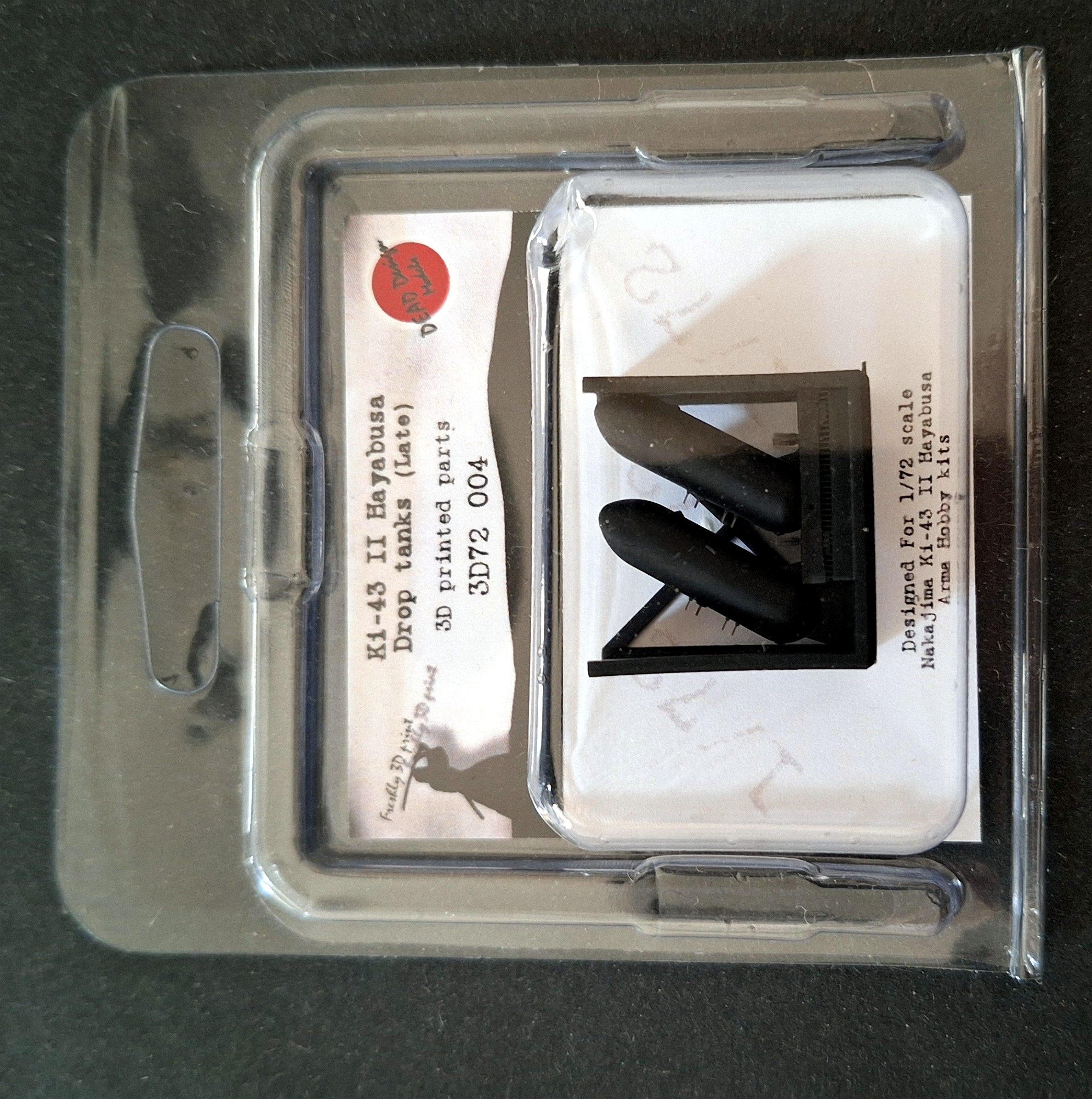 | Dead Design Models - DDM3D72004 - 1:72 | Nakajima Ki-43-II Hayabusa Late Drop Tanks (designed to be used with Arma Hobby kits) More | Aircraft detailing sets (resin) | Catalogue | £8.99 | |
 | Dead Design Models - DDMSM72088 - 1:72 | Nakajima Ki-43-II Hayabusa 3D effect/optical illusion paint mask for control surfaces (designed to be used with Arma Hobby kits) More | Aircraft paint masks (self adhesive) | Catalogue | £7.10 | |
 | Dead Design Models - DDMUC72082 - 1:72 | Nakajima Ki-43-II Hayabusa(designed to be used with Arma Hobby kits) More | Aircraft paint masks (self adhesive) | Catalogue | £5.60 | |
 | Dead Design Models - DDMVM72201 - 1:72 | Nakajima Ki-43-II Hayabusa(designed to be used with Arma Hobby kits) More | Aircraft paint masks (self adhesive) | Catalogue | £7.10 | |
 | Dead Design Models - DDMVM72202 - 1:72 | Nakajima Ki-43-II Hayabusa National Insignias(designed to be used with Arma Hobby kits) More | Aircraft paint masks (self adhesive) | Catalogue | £8.50 | |
 | Dead Design Models - DDMVM72205 - 1:72 | Nakajima Ki-43-II Foreign Services (designed to be used with Arma Hobby kits) (We recommend Backordering this mask so we buy enough! (on Backorder please not on a Wish list) More | Aircraft paint masks (self adhesive) | Future Releases | £7.10 | |
| Dead Design Models - DDMVM72206 - 1:72 | Nakajima Ki-43-II Foreign Ser. National Insignia paint masks (designed to be used with Arma Hobby kits) (We recommend Backordering this mask so we buy enough! (on Backorder please not on a Wish list) More | Aircraft paint masks (self adhesive) | Future Releases | £8.50 | |
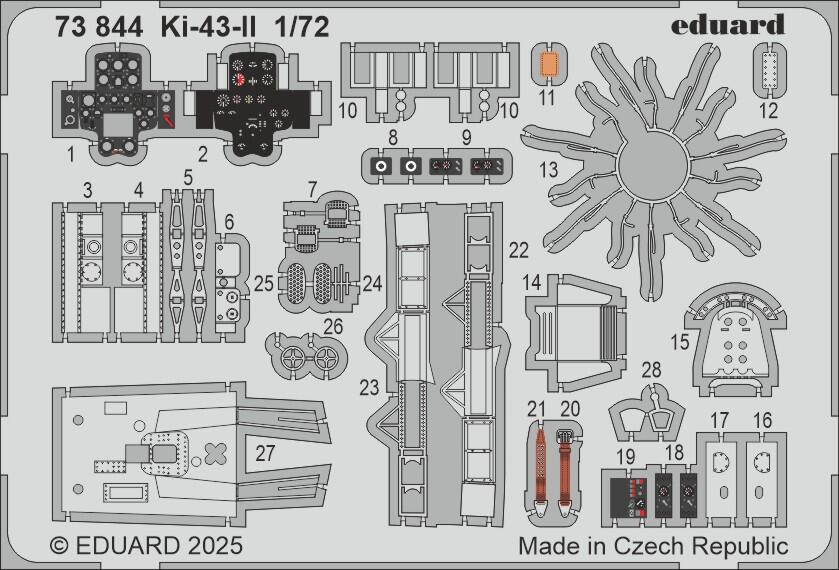 | Eduard - ED73844 - 1:72 | Nakajima Ki-43-II Hayabusa 1/72 (designed to be used with Arma Hobby kits) More | Aircraft exhausts (resin) | Catalogue | £12.80 | |
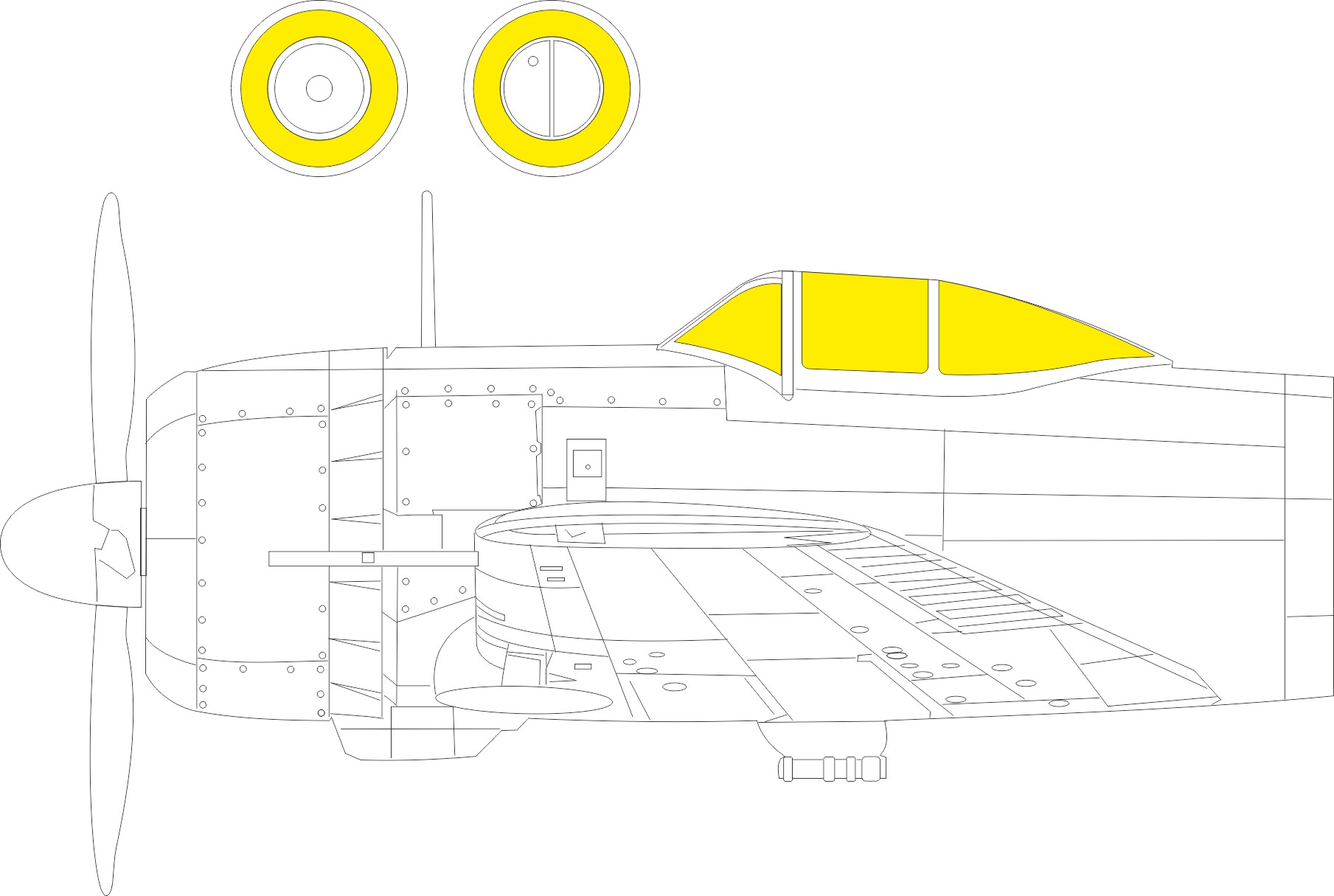 | Eduard - EDCX685 - 1:72 | Nakajima Ki-43-II Hayabusa 1/72 (designed to be used with Arma Hobby kits) (made from yellow Japanese produced Kabuki tape) More | Aircraft paint masks (self adhesive) | Catalogue | £5.80 | |
 | Kora - KORD72277 - 1:72 | Nakajima Ki-43-IIA OSCAR (Royal Thai AF) (designed to be used with Hasegawa kits) More | Aircraft detailing sets (decal and resin) | Catalogue | £6.70 |
Here are some books and decals you might find useful for this kit
Found 8 related products
 | Berna Decals - BER72117 - 1:72 | Nakajima Ki-43-II Hayabusa Part 2: Hazawa, Todai & Motohashi 25th sentai - China 1944, Ozaki & Ohtake 25th sentai - China 1943, Kuroe 64th Sentai - Burma 1943, 20th Sentai Formosa 1944 (7 schemes) More | Aircraft decals (military) | Catalogue | £9.70 | |
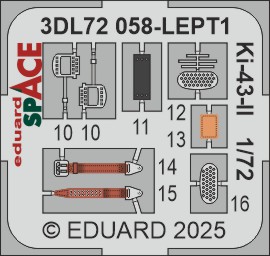 | Eduard - ED3DL72058 - 1:72 | Nakajima Ki-43-II Hayabusa SPACE set - 3D waterslide decals and STEEL PE parts. 1/72 (designed to be used with Arma Hobby kits) More | Aircraft decals (military) | Catalogue | £5.80 | |
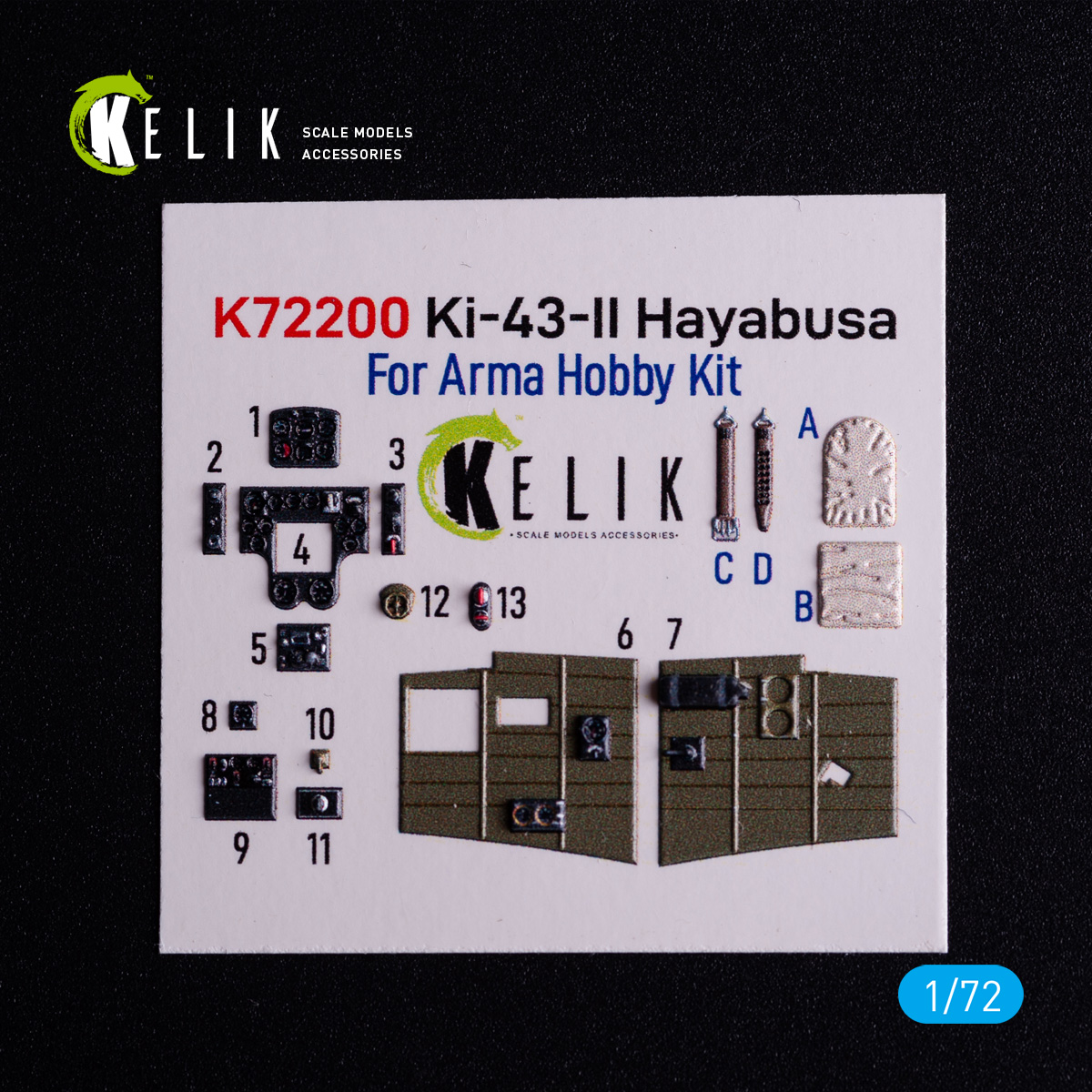 | Kelik - K3D72200 - 1:72 | Nakajima Ki-43-II Hayabusa - cockpit interior/instruments 3D-decals (designed to be used with Arma Hobby kits)(1/72) More | Aircraft decals (military) | Catalogue | £10.50 | |
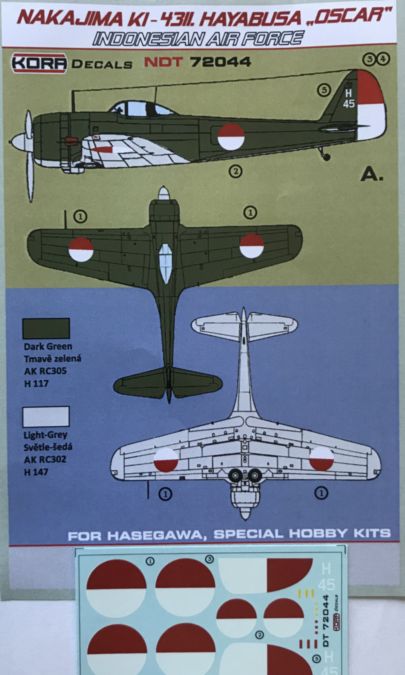 | Kora - NDT72044 - 1:72 | Nakajima Ki-43-II Oscar Indonesian AF More | Aircraft decals (military) | Catalogue | £6.70 | |
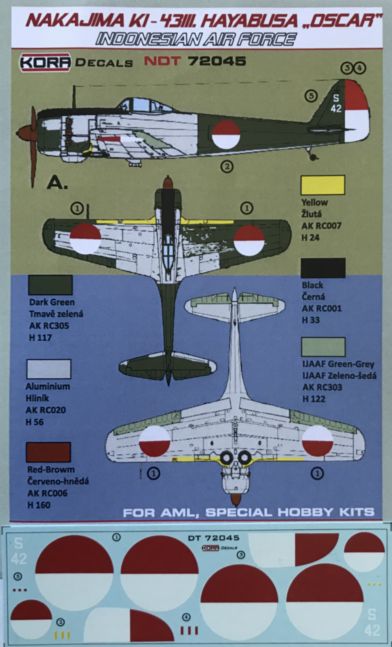 | Kora - NDT72045 - 1:72 | Nakajima Ki-43-III Oscar Indonesian Air Force More | Aircraft decals (military) | Limited Availability | £6.70 | |
 | Kora - NDT72046 - 1:72 | Nakajima Ki-43-II 'Oscar' . + Tachikawa Ki-55 'Ida' North Korean Service More | Aircraft decals (military) | Catalogue | £6.70 | |
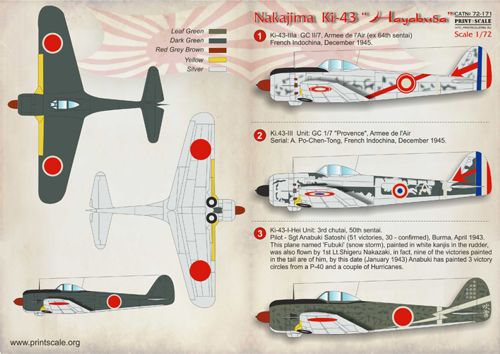 | Print Scale - PSL72171 - 1:72 | Nakajima Ki-43 Hayabusa 1. Ki-43-IIIa GC II/7, Armee de l'Air (ex 64th sentai) French Indochina, December 1945. 2. Ki.43-III Unit: GC 1/7 "Provence", Armee de l'Air. Serial: A. Po-Chen-Tong, French Indochina, December 1945. 3. Ki-43-I-Hei Unit: 3rd chutai, 50th sentai. Pilot - Sgt Anabuki Satoshi (51 victories, 30 - confirmed), Burma, April 1943. This plane named 'Fubuki' (snow storm), painted in white kanjis in the rudder, was also flown by 1st Lt.Shigeru Nakazaki, in fact, nine of the victories painted in the tail are of him, by this date (January 1943) Anabuki has painted 3 victory circles from a P-40 and a couple of Hurricanes. 4. Ki-43-II.Manchukuo National Military Force Air Corps, Summer 1944.The hieroglyphs on the fuselage are name of company which bought this aircraft. 5. Ki-43 Serial: 8 (B-24034) Communist flying shool in Tunhua, in 1946. 6. Ki-43-II-Otsu Unit: 2nd chutai, 55th sentai Serial: 3 Pilot - Lt.Tomito Toda. Kemaki airfield, Nagoi area, Summer 1944. 7. Ki-43-IIIb Royal Thai Air Force. South China. Thailand Spring 1944. 8. Ki-43-II-Kai. Unit: Indonesian People Security Force Serial: S/42. Djakarta, Java, 1946. More | Aircraft decals (military) | Catalogue | £15.99 | |
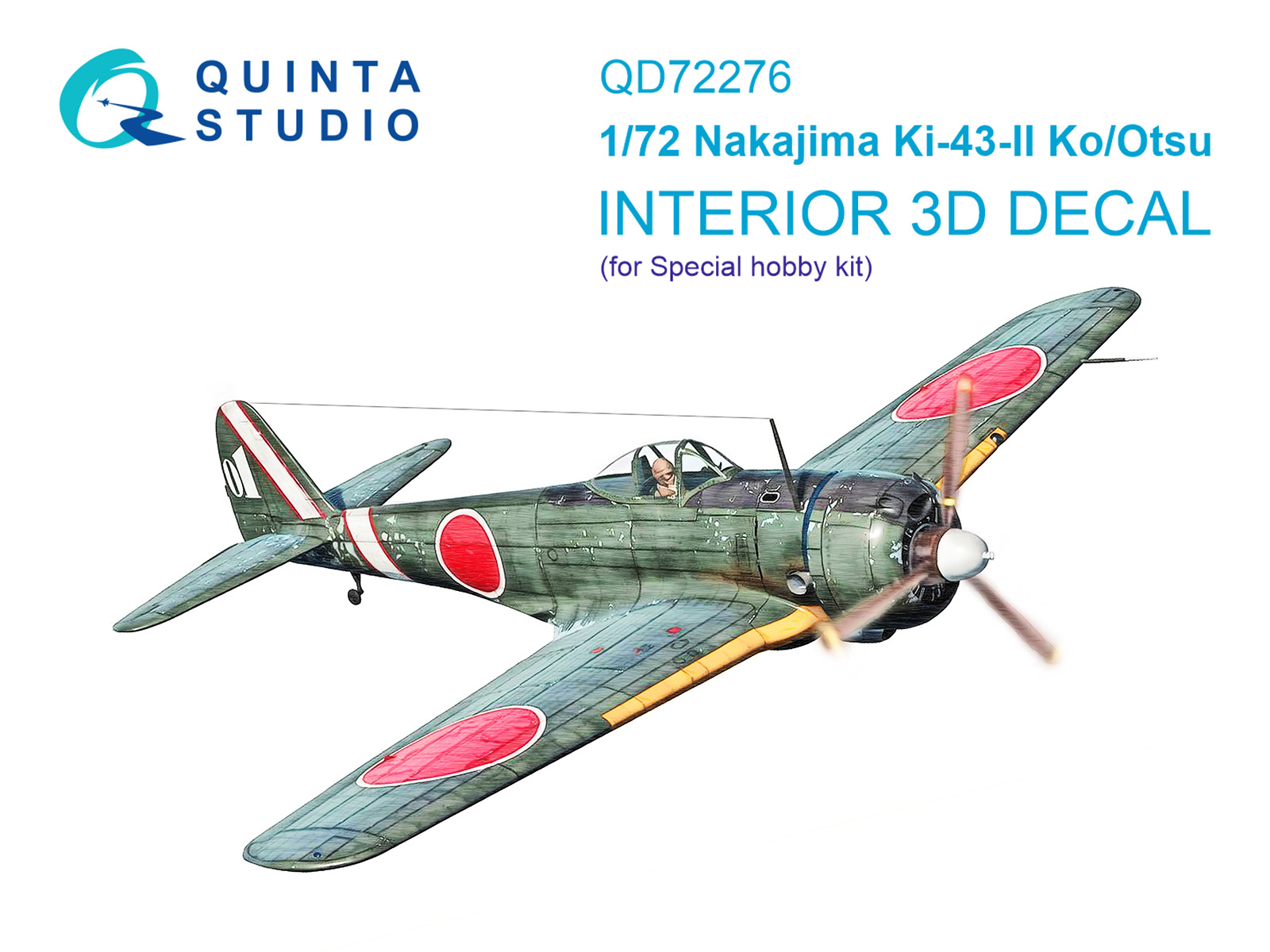 | Quinta Studio - QD72276 - 1:72 | Nakajima Ki-43-II Ko/Otsu 3D-Printed & coloured Interior on decal paper (designed to be used with Special Hobby kits) More | Aircraft decals (military) | New Arrivals | £5.40 |
Hannants Search Engine
Convert Currency
Copyright © 2001-2026 H. G. Hannant Limited. All rights reserved. | Website by Dessol
Privacy Policy | Cookie Information | Switch to Mobile Version