Cookies are small text files that are placed on your computer by
websites that you visit. They are widely used in order to make
websites work, or work more efficiently, as well as to provide
information to the owners of the site.
Here is a list of cookies this site uses:
Cookie name
Description
existing_user
Stores the email address used to previously log into the site, used to prefill forms like on the reset password screen
authchallenge
Authentication security checks
hcart
Stores the anonymous customer\'s cart token. If items are added to the card while not logged in, if you log in the items will be added to the customer\'s existing cart
hannants
Stores the session information while you remain on the site
pricer
Stores if the export or eu prices is selected on the catalogue page
hidefilter
Stores if the search filter panel is hidden or shown
AWSELB
Stores which server you\'re connected to so to access the same server while you navigate around the site
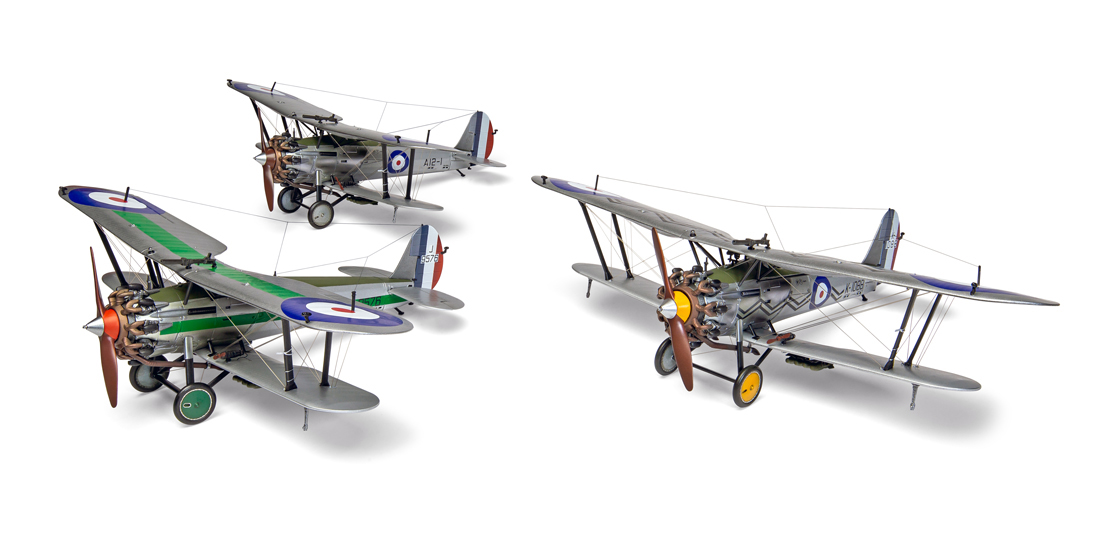
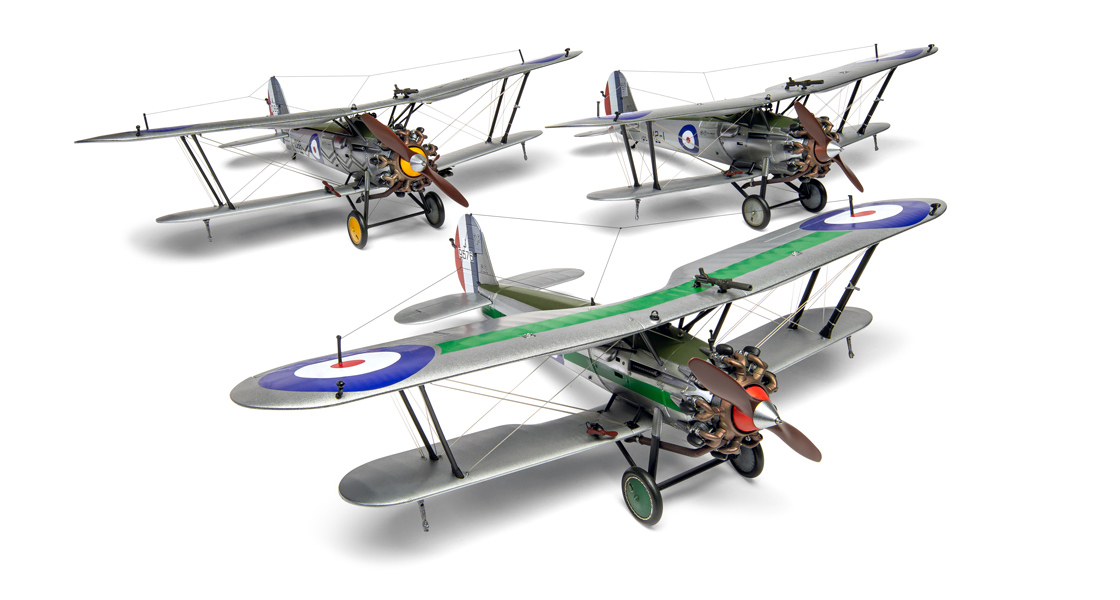
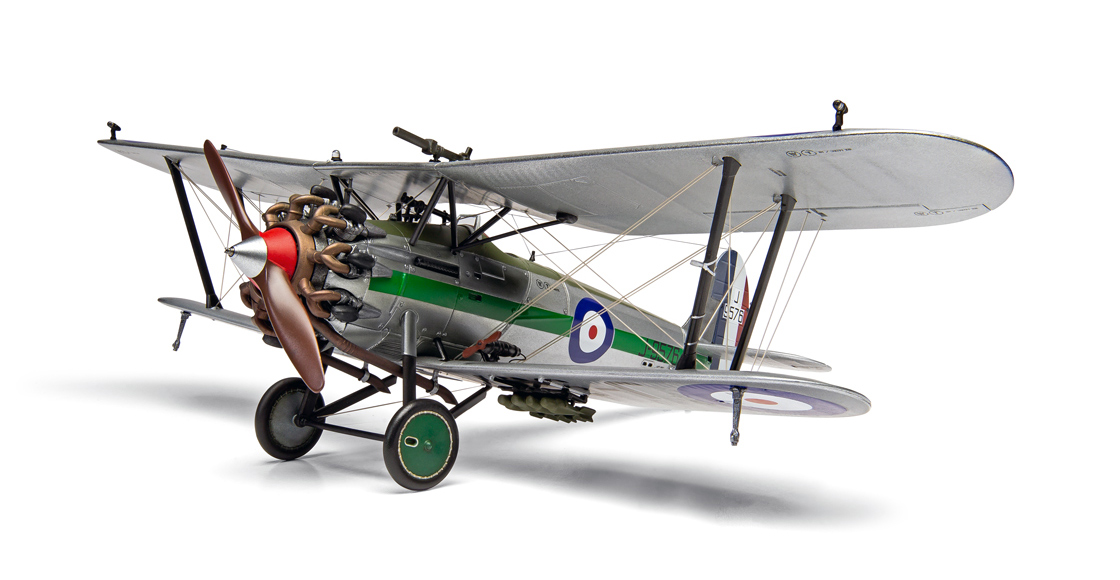
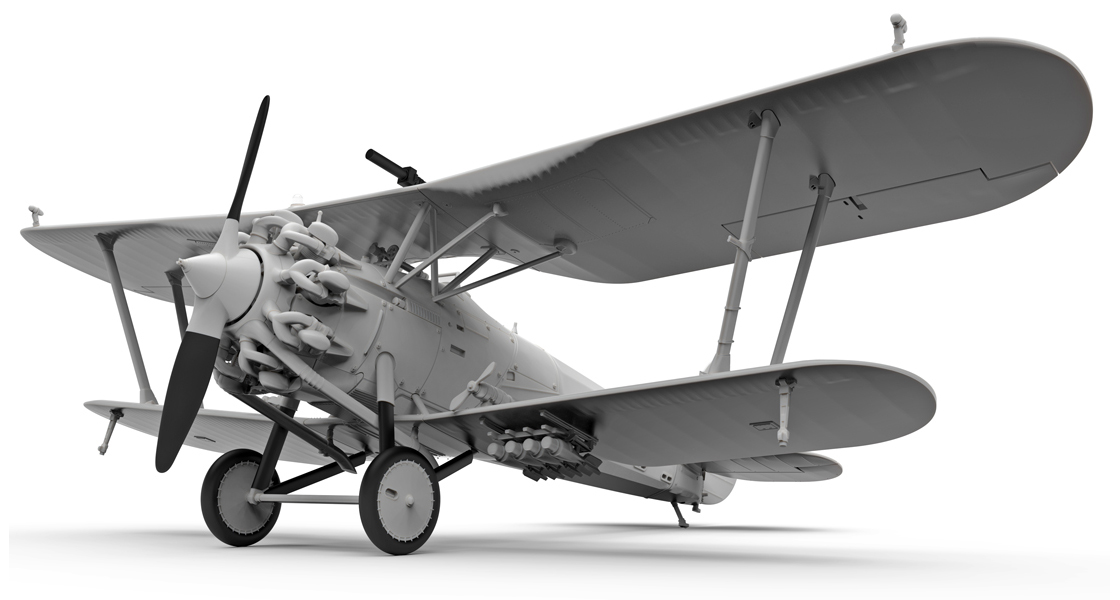
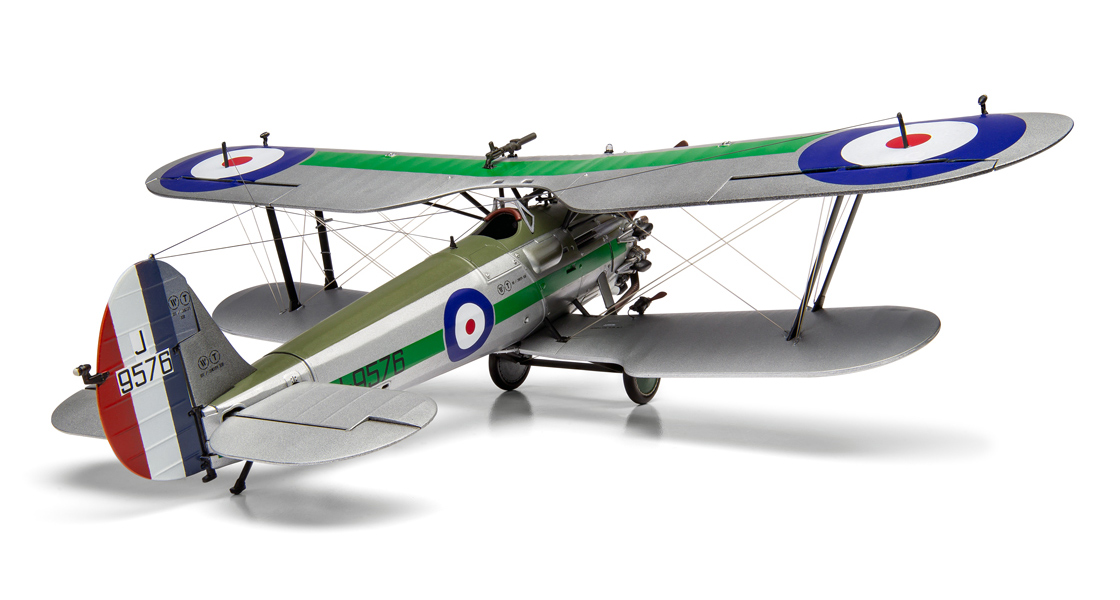
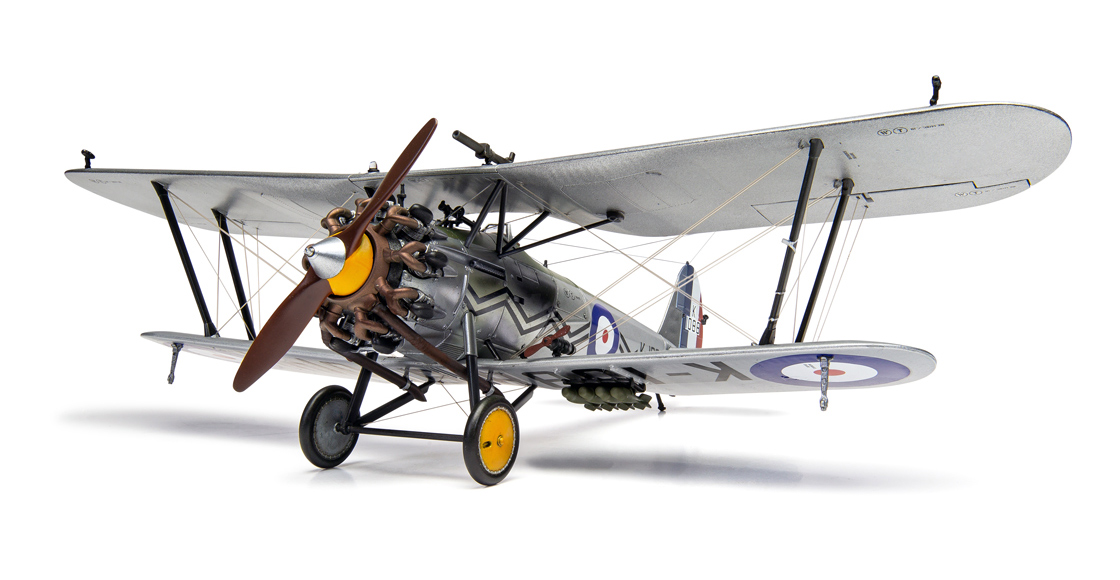
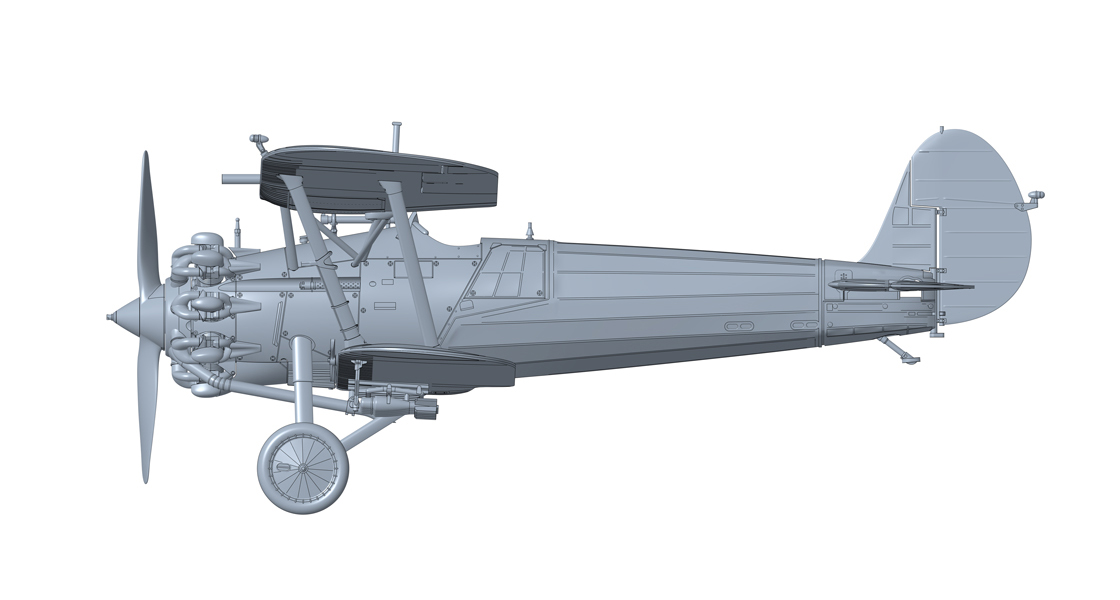
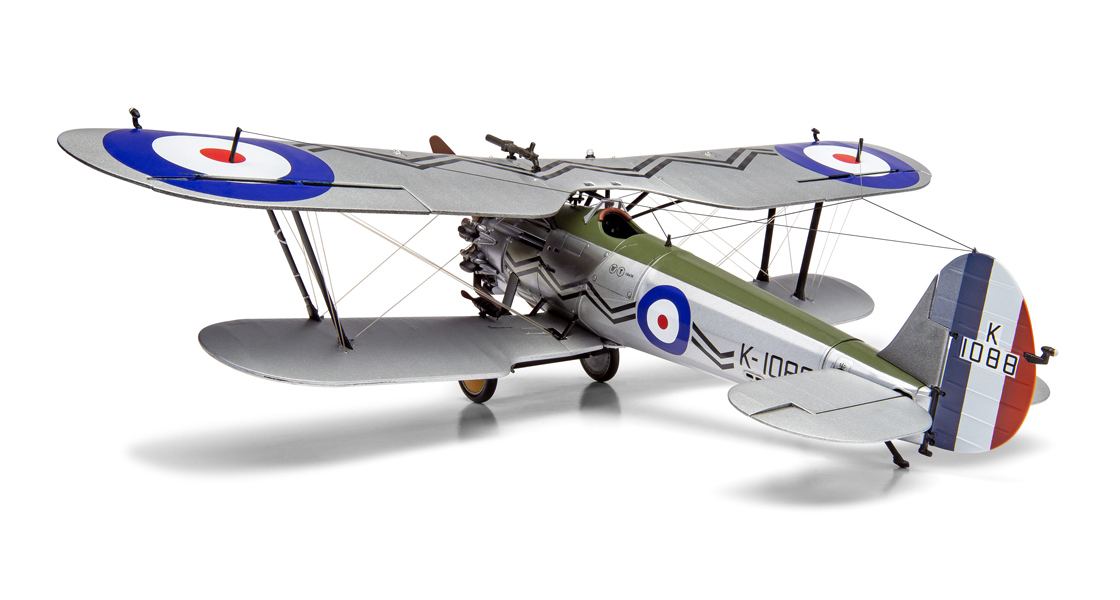
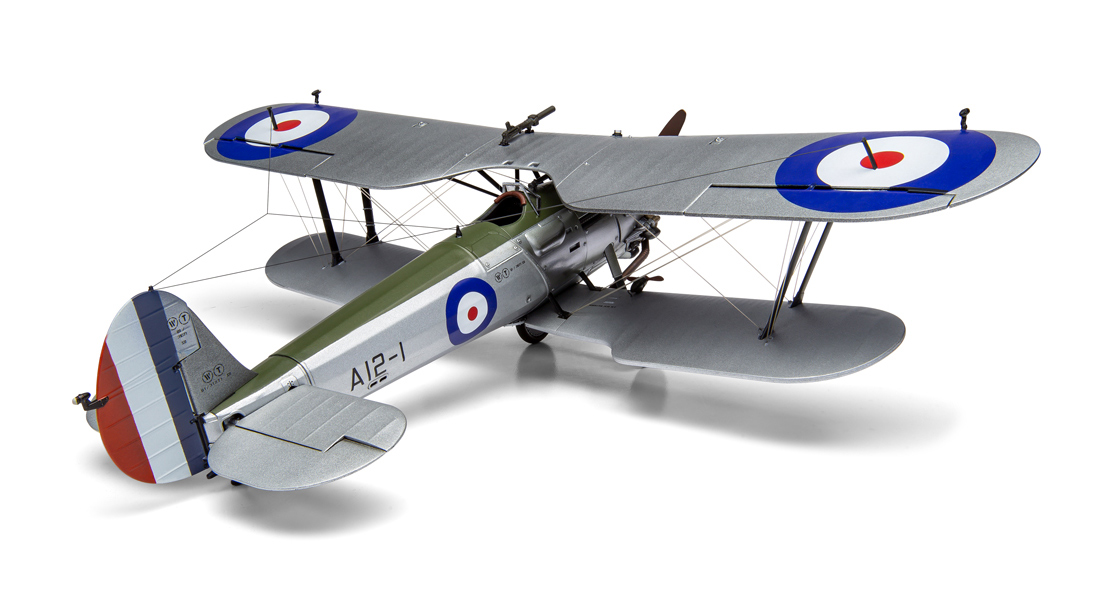
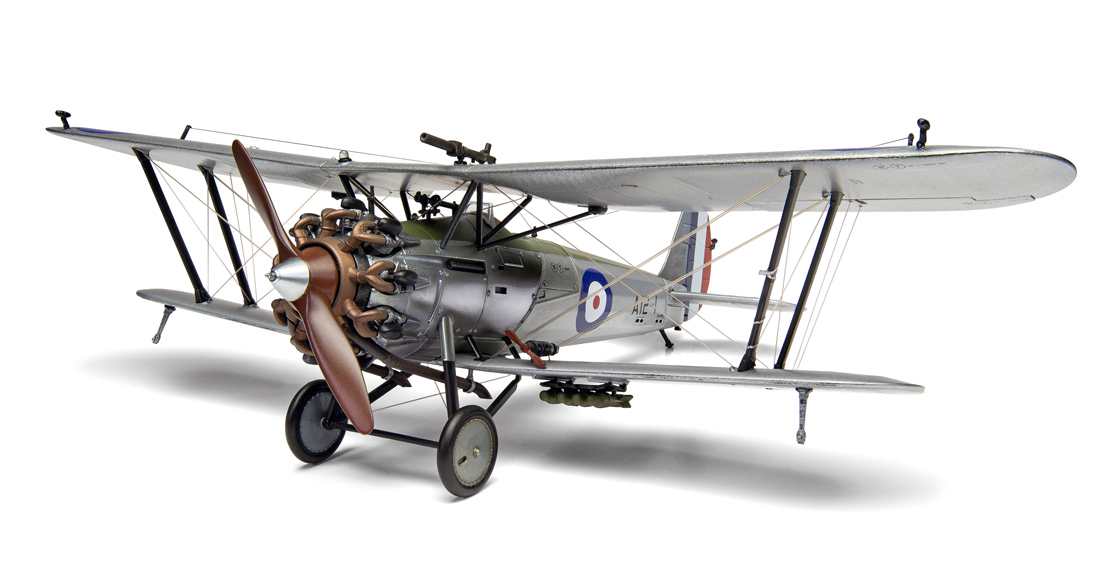
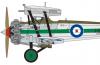
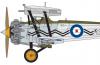
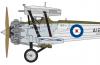
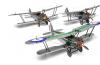
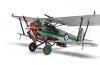
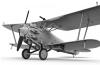
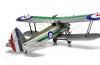
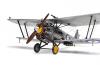
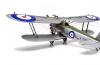
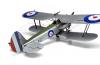
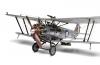
Bristol Bulldog Mk.II New Tooling in 2024
A gleaming silver steed flown by the most capable and intrepid young men Britain could call upon, the Bristol Bulldog was one of the most important British aircraft of the inter-war period, when powerful biplane fighters unquestionably ruled the skies. Initially developed as a private venture by the Bristol Aeroplane Company, the Bulldog was the brainchild of accomplished aircraft designer Frank Barnwell, the man behind the successful Bristol F2B Fighter of the Great War, and was a light, all-metal and fabric-covered fighter, powered by a 440hp Bristol Jupiter engine.
The Bulldog was armed with a pair of forward-firing Vickers 0.303" machine guns mounted on either side of the cockpit, but ultimately never fired its guns in anger during a relatively short seven-year period serving with Fighter Command. Although it was the most capable fighter of the day, the Bulldog was more closely associated with challenging formation flying and spectacular aerobatics, with the Royal Air Force thrilling huge crowds at airshows and pageants around the country, as they demonstrated the effectiveness of a modernising air force.
What the Bulldog did do was help advance Britain's aviation industry towards the production of the sleek, monoplane fighters which would contest the Second World War, as it highlighted the fact that biplane designs were fast approaching their zenith. Perhaps the most famous incident involving a Bristol Bulldog proved to be a rather unfortunate one, when an accomplished, but rather headstrong RAF pilot performed unauthorised low-altitude aerobatics for a group of onlookers and a private civilian aerodrome in Berkshire.
Flying so low that the wingtip of his fighter struck the ground during a manoeuvre, the Bulldog cartwheeled across the airfield, inflicting catastrophic injuries on the pilot - that pilot was future Second World War RAF ace and inspirational national hero Douglas Bader.
[+] More...
Manufacturer:
Airfix
Code Number:
AX05141
Scale:
1:48
Item type:
Aircraft kits (injection)
Price:
£24.99
Order Quantity:
Quantity In Stock:
10+
Availability:
This will usually be dispatched within 24/48 hours of receiving your order
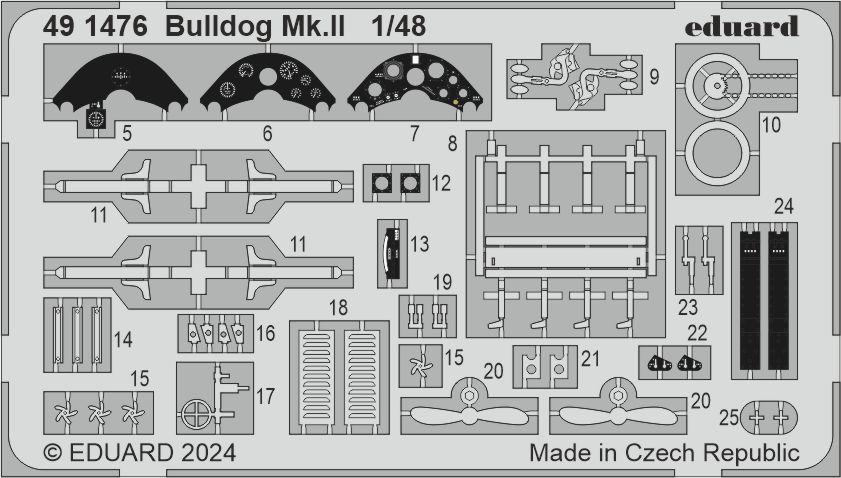
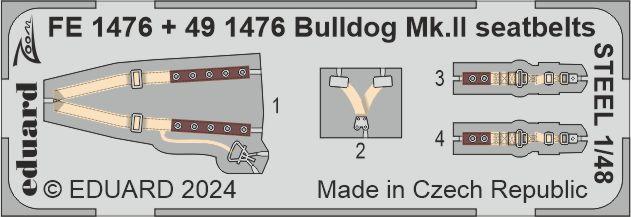
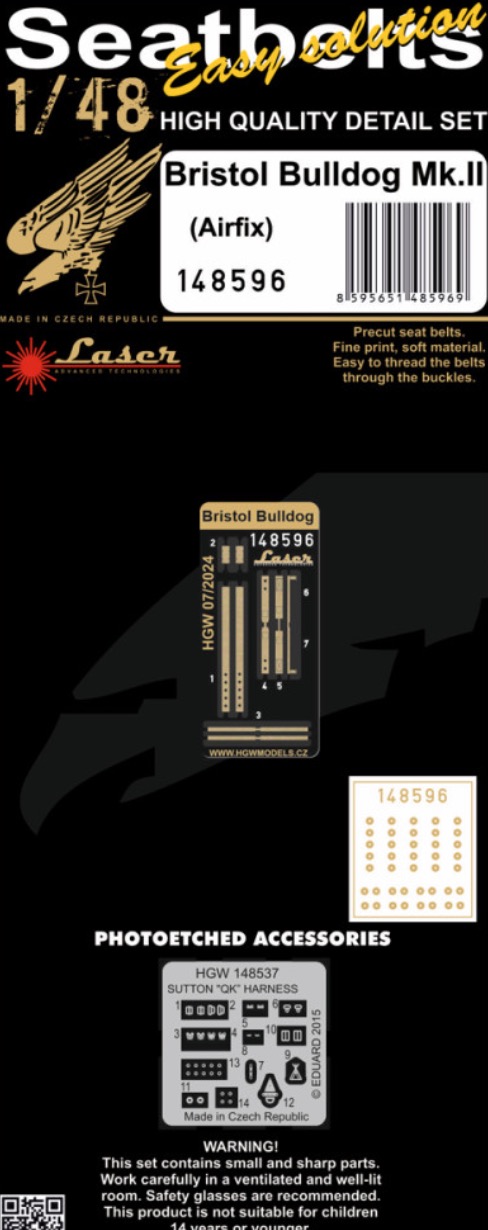
BRISTOL BULLDOG MK.II - SEATBELTS (designed to be used with Airfix kits) designed for Bristol Bulldog Mk.II produced by Airfix in 1/48 scale. Belts are made from microfibre material and in combination with included photo etched buckles they provide highly realistic look.
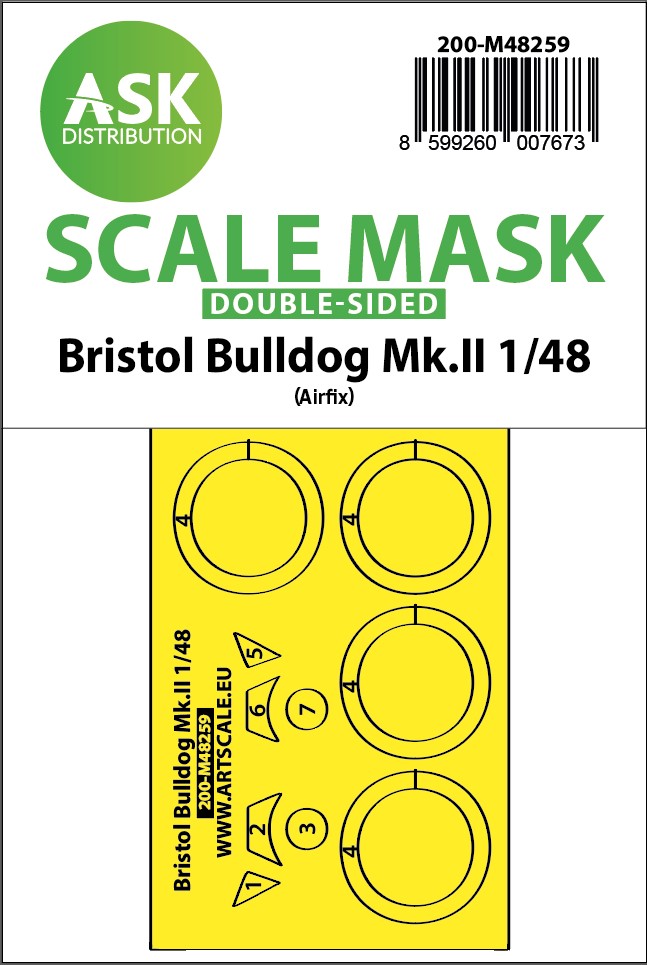
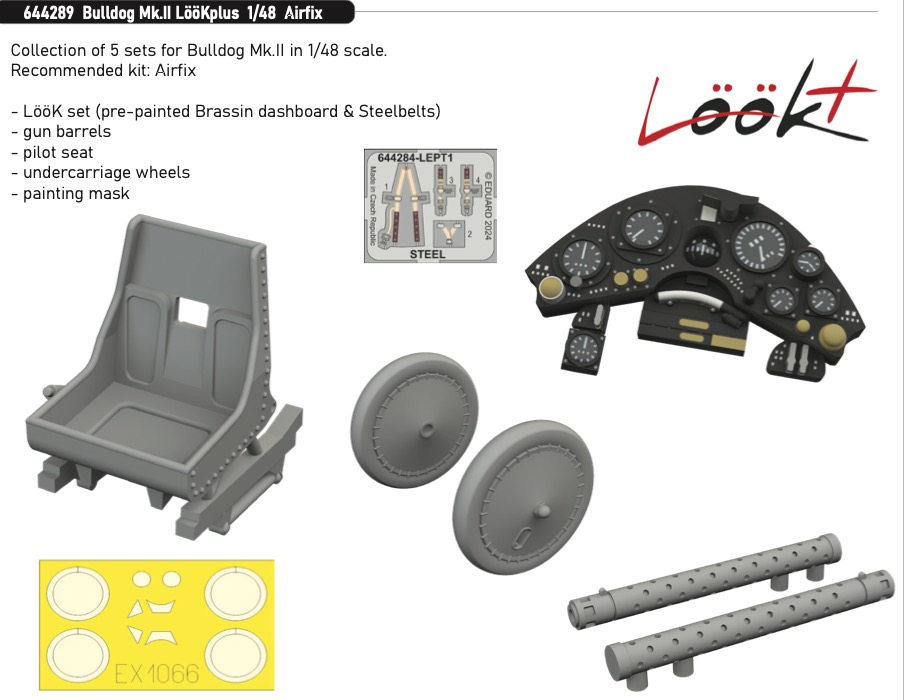
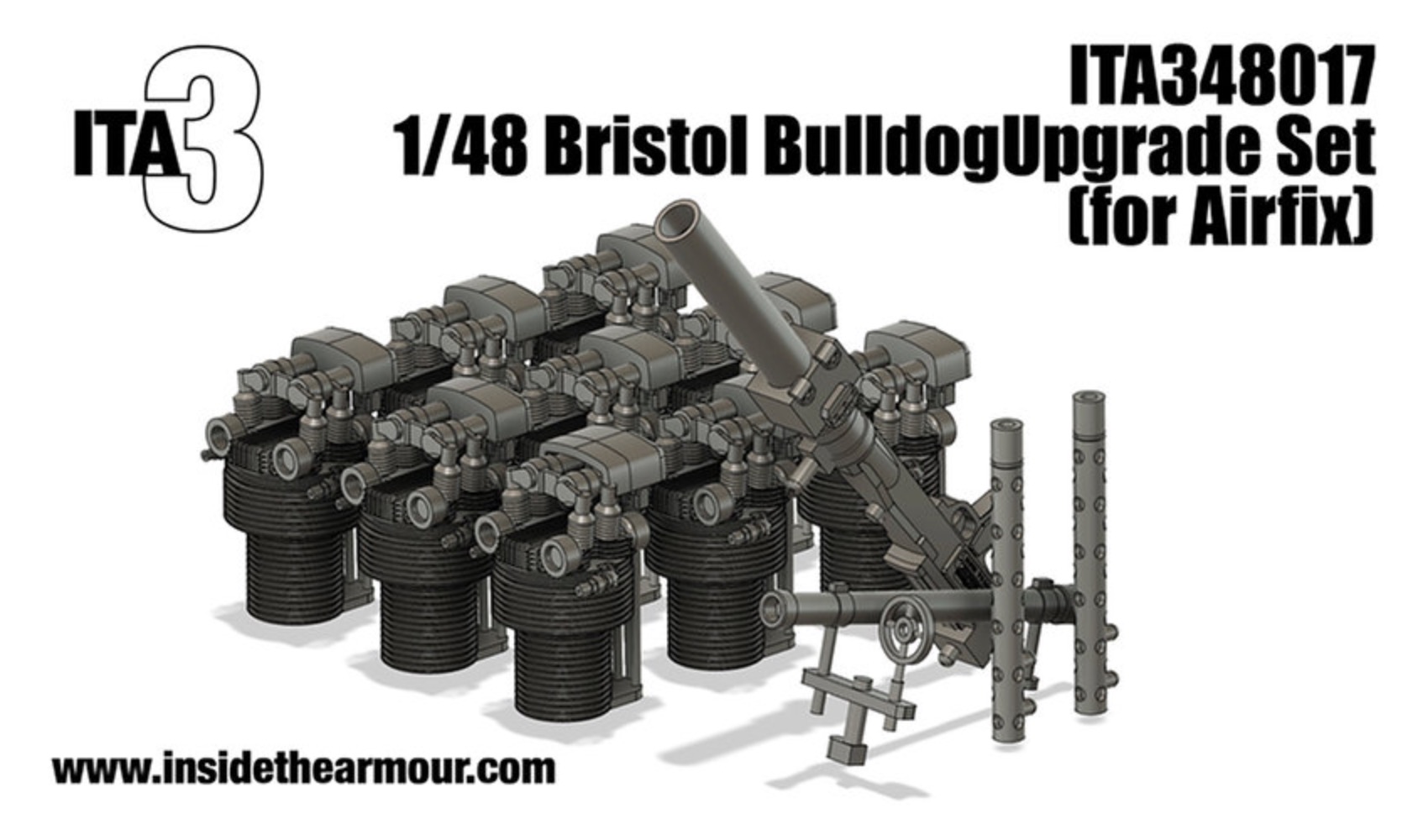
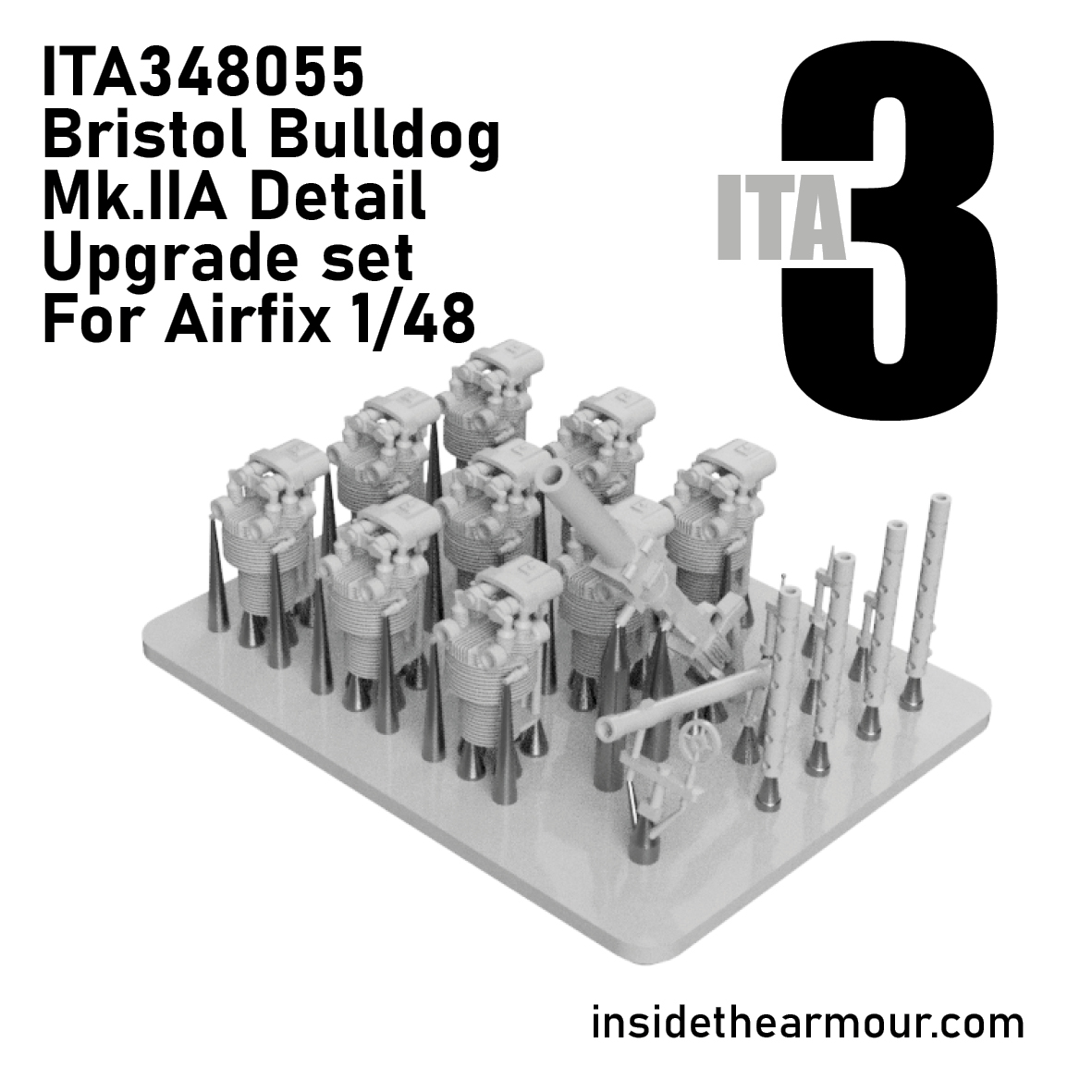
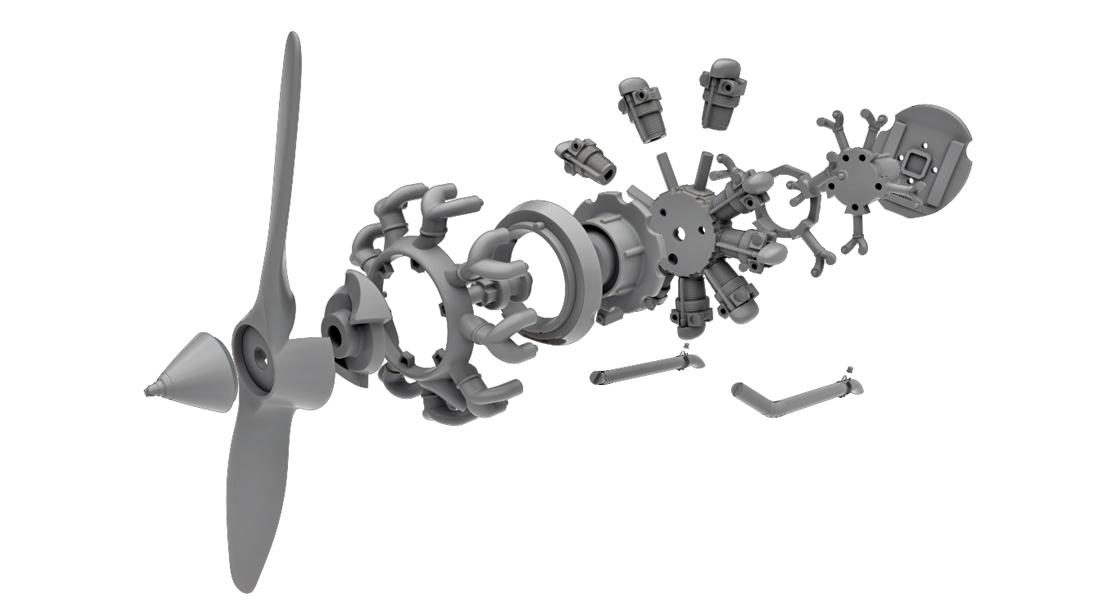
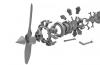
Bristol Bulldog Mk.II exterior Upgrade (designed to be used with Airfix kits) a set to improve the key exterior details of the gorgeous new Airfix 1/48 Bristol Bulldog. Includes a new gun camera, new MG barrels, new, highly-refined gun sights, and engine cylinders with improved details and no seam to fill through the cooling vanes!
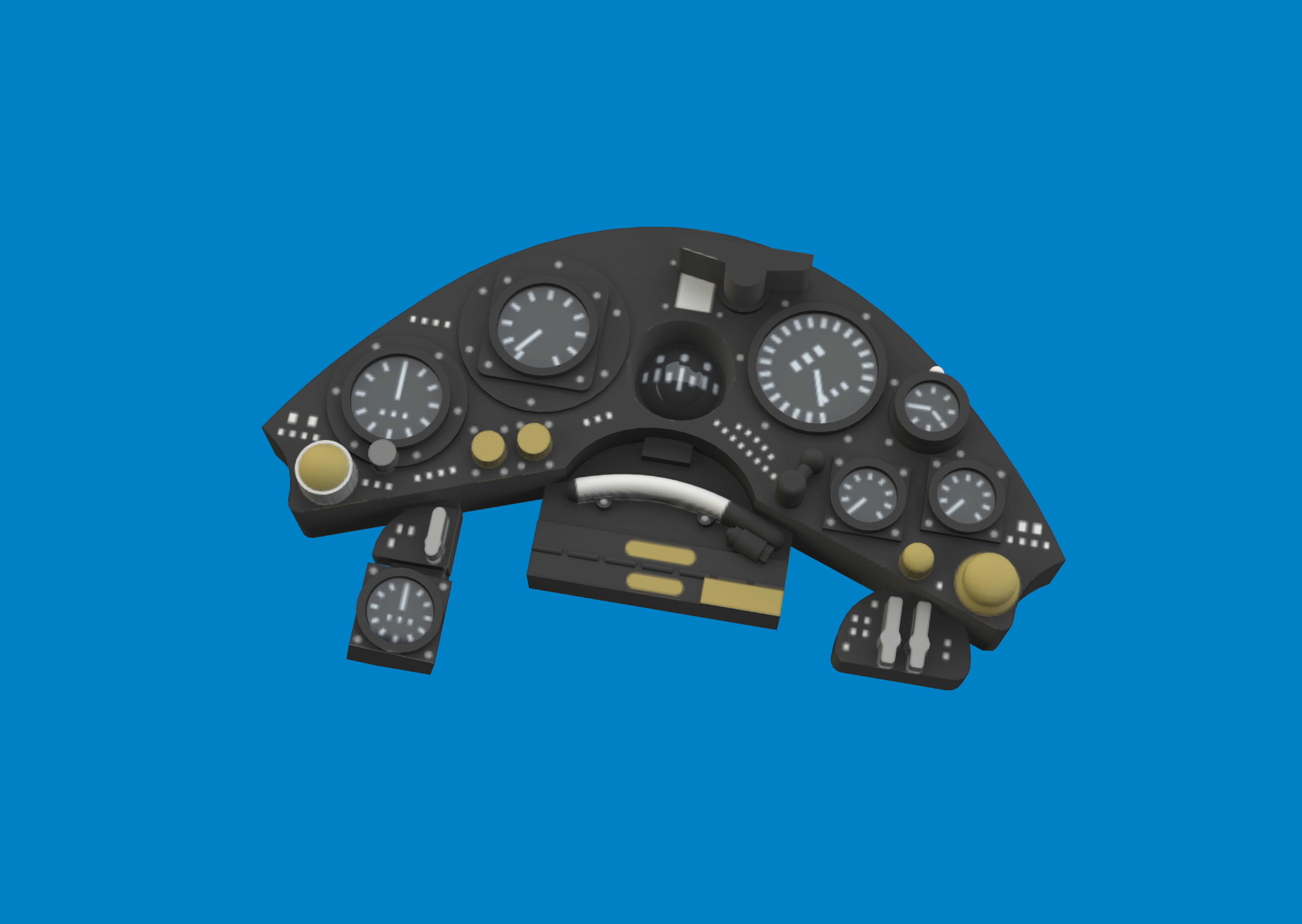
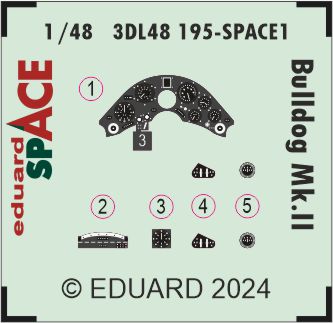
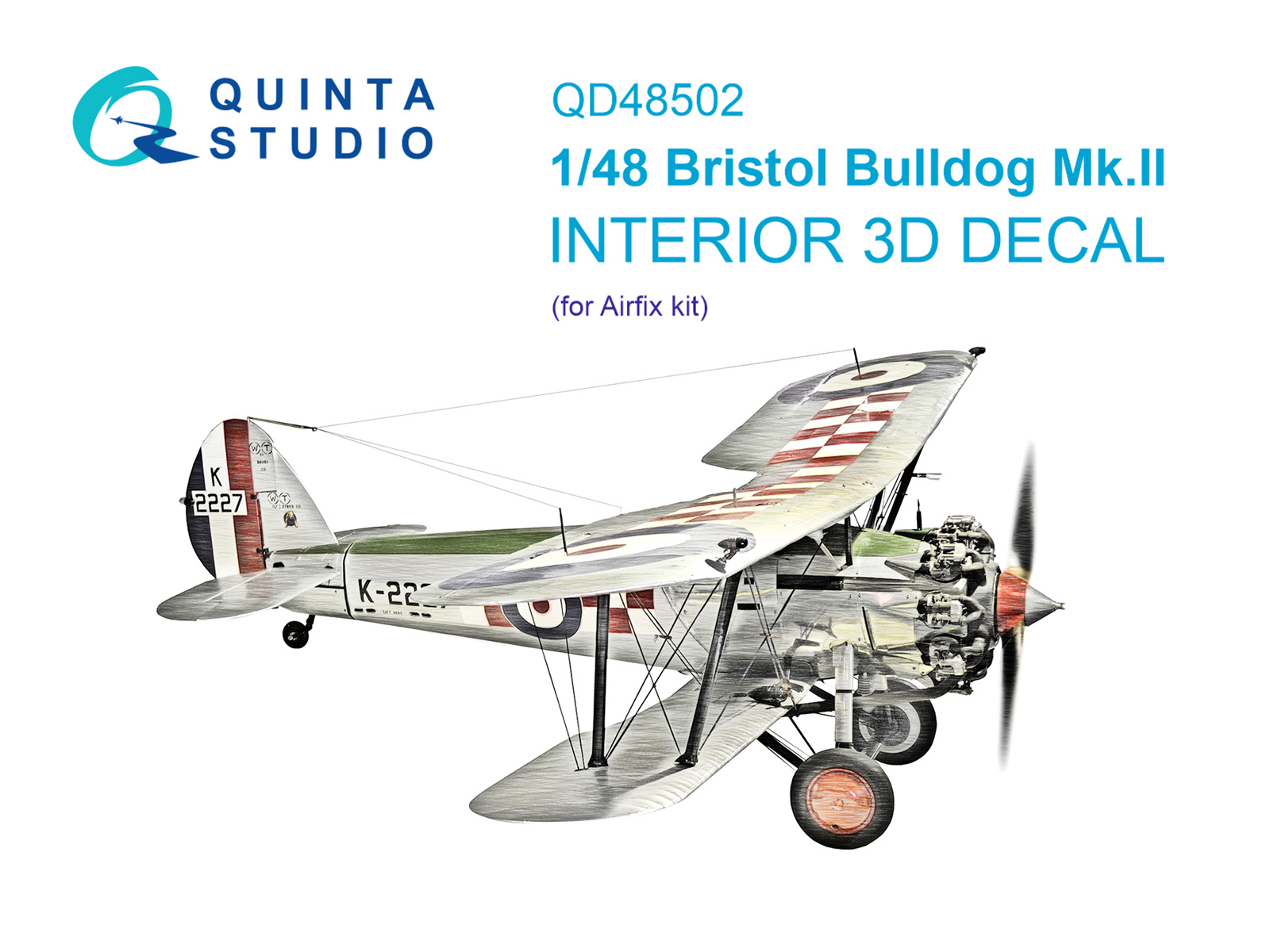
Bristol Bulldog Mk.II - 3D-printed waterslide instrument decals and etched seat-belts (designed to be used with Airfix kits) (we did not receive all the sets we ordered)
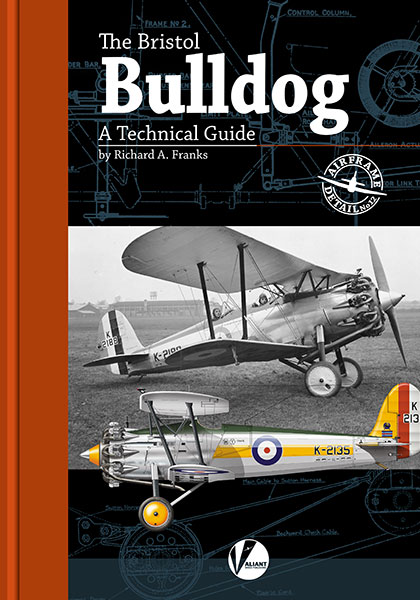
AD-12 Airframe Detail No 12-The Bristol Bulldog-A Technical Guide by Richard A Franks.
This is one of our rare forays into the Silver Wings era when the RAF was the best flying club in the world.
Contents include:
Period detail images during production and testing including data from flight manuals and spare parts catalogues
A wealth of historical technical photographs and diagrams
Detailed walkaround images of preserved examples
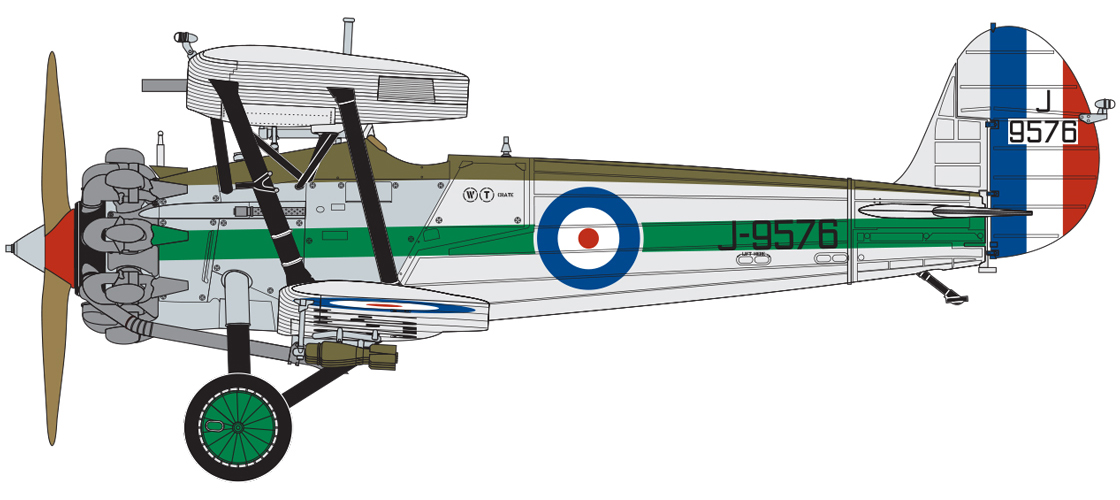
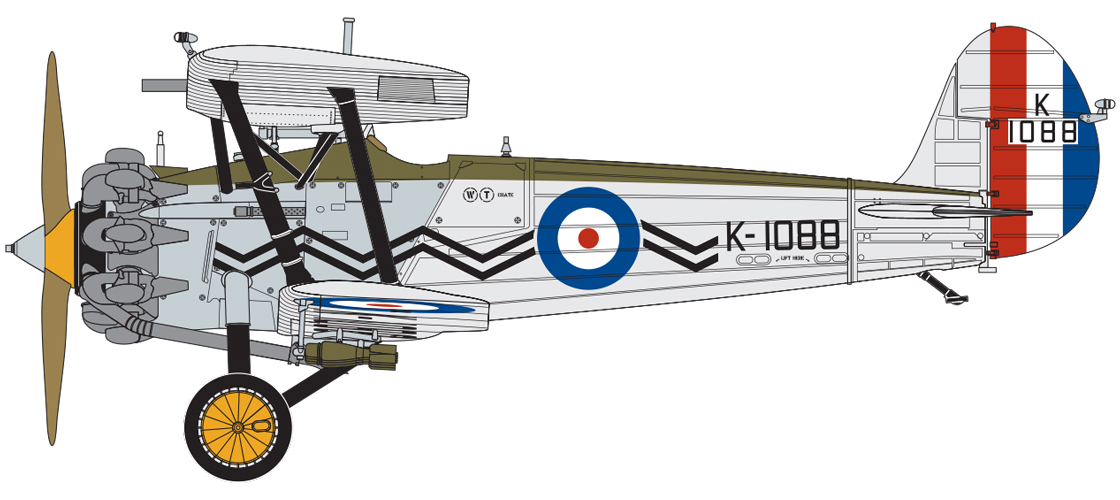
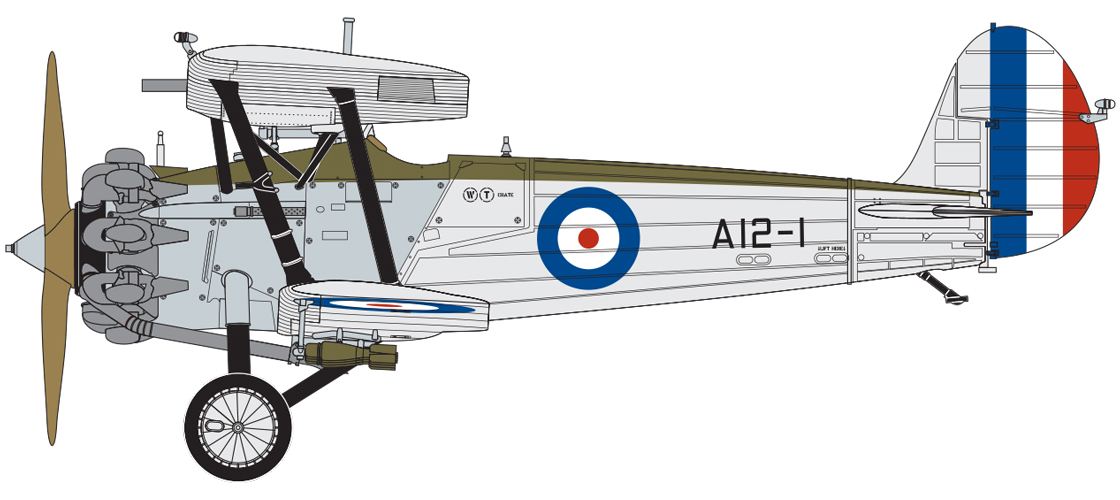
Over 50 full colour profiles by Richard J. Caruana
Concise camouflage and marking notes
Lists of all Bulldog kits and accessories produced in all scales
Full detailed build of the Airfix 1/48 Bristol Bulldog Mk II kit by Steve A. Evans
Stencil diagram
88 pages plus covers
ISBN 978-1-912932-42-9
Publication is scheduled for the end of August 2026.
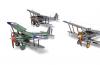
Bristol Bulldog Mk.II Although there were only ten squadrons equipped with the Bristol Bulldog during the drastic cut back of RAF fighter strength following World War 1, they were certainly the most colourful.
Each unit had its identification colours shown on the fuselage and upper wing surfaces and squadron and flight commanders had individual colours on the tail unit. But that was not all. As new squadron commanders took over at the end of a tour of duty of their predecessors, they made changes to the squadron markings making this period one of the most colourful and perhaps controversial of all the pre-war squadron markings.
The history of the Bulldog is also of considerable interest as it was exported or built under licence in a number of overseas countries thus adding to the profusion of colour schemes of that period. Richard J.Caruana has detailed the history of the Bulldog and given a great variety of colour schemes that were used. In fact this Warpaint can be said to have more colour side view drawings than most others of its size in the series. Centre spread drawings show the variations that were built at both home and overseas and there is a list of all squadrons and units with representative serial numbers plus a list of available kits and decals that have been produced over the years.




 Advanced Search
 10+
10+