



 Advanced Search
 « Go back« Go backPrevious Product (ICM48320)Next Product (ICM48314)
ICM UA ICM48315
- Description:
-
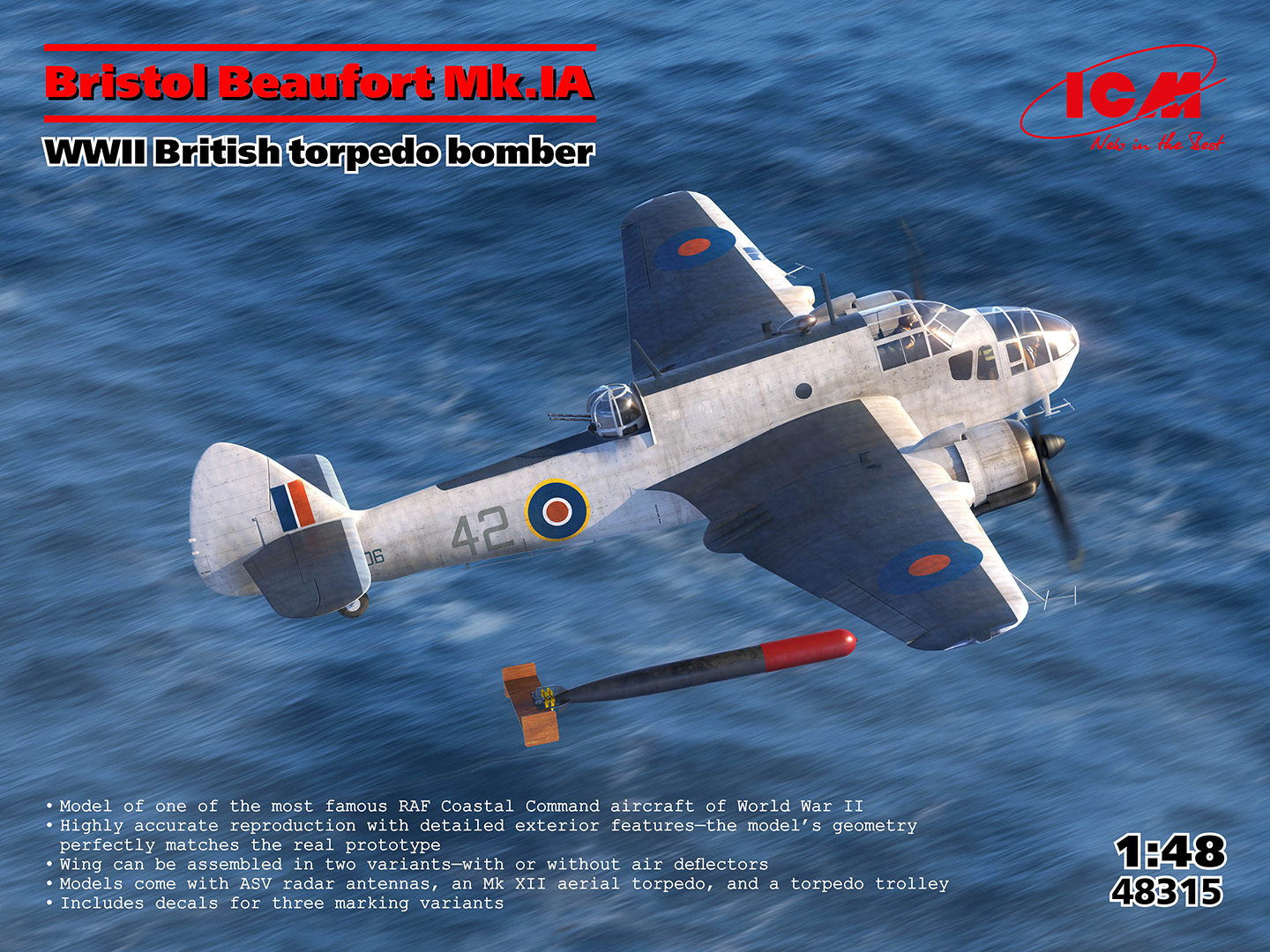
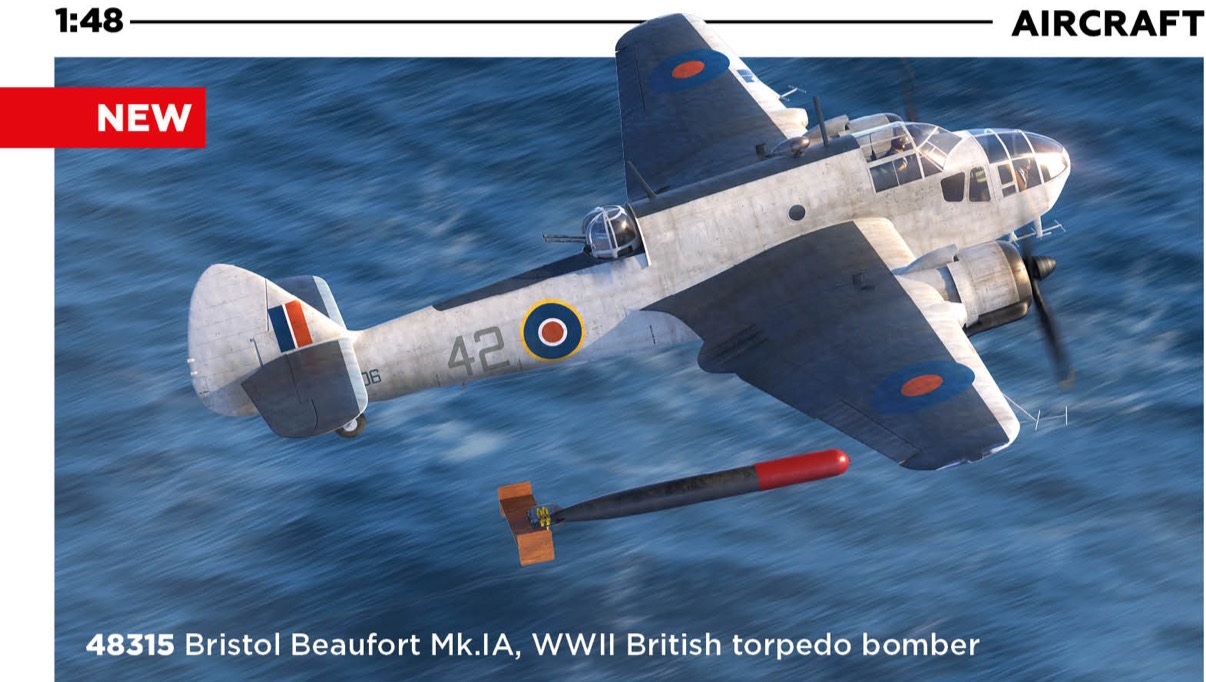
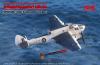
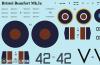
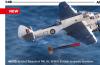
Bristol Beaufort Mk.IA torpedo bomber
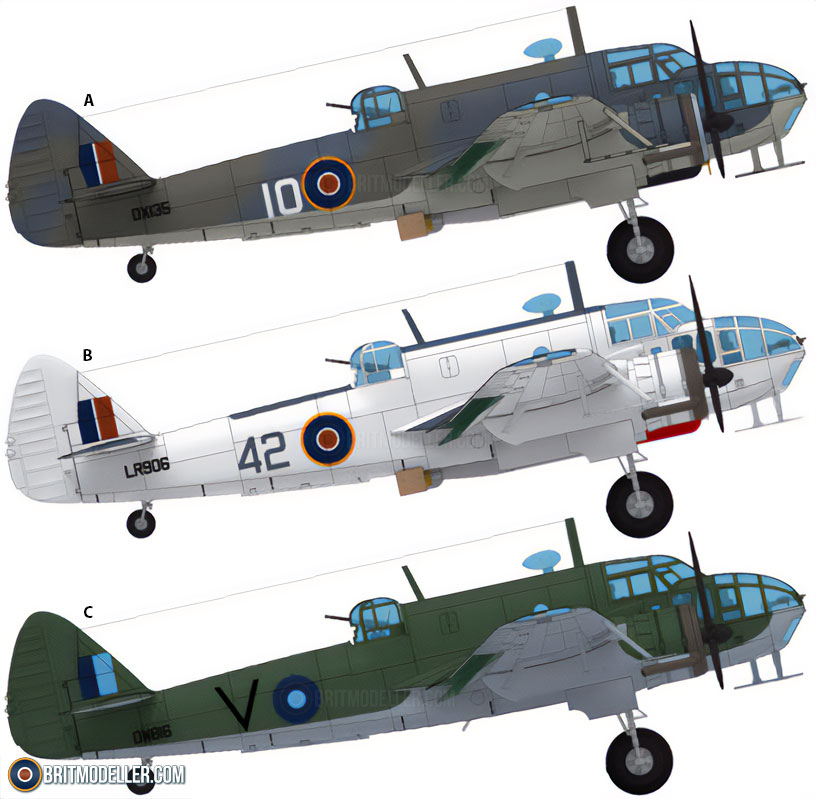
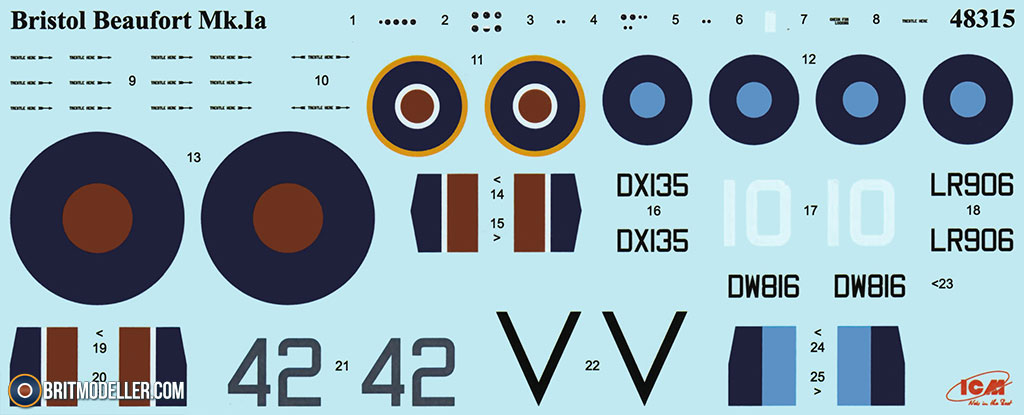
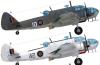
DX135, No.5 (Coastal) Operational Training Unit, Long Kash, 1943
LR906, No.2 Torpedo Training Unit, Castle Kennedy, September 1943
DW816, 22 Sqn., Ceylon (Sri Lanka), April 1944
The Bristol Beaufort torpedo bomber was developed by the Bristol Aeroplane Company. It was a four-seat, twin-engine aircraft with a mid- wing configuration and an all-metal structure. Its defensive armament included a rearward-facing machine gun turret for protection of the rear hemisphere, as well as machine guns mounted in the fuselage sidewalls for firing to the sides. In the nose, one or two Vickers machine guns on a movable mount could be installed for front hemisphere defense, and some aircraft also had a lower machine gun[+] More... - Manufacturer:
- ICM UA
- Code Number:
- ICM48315
- Scale:
- 1:48
- Item type:
- Aircraft kits (injection)
- Price:
- £49.83
- Order Quantity:
- Quantity In Stock:
 19
19
- Availability:
- This will usually be dispatched within 24/48 hours of receiving your order
- Wish List:
- Department:
- Catalogue
Here are some accessories you might find useful for this kit
Found 6 related products
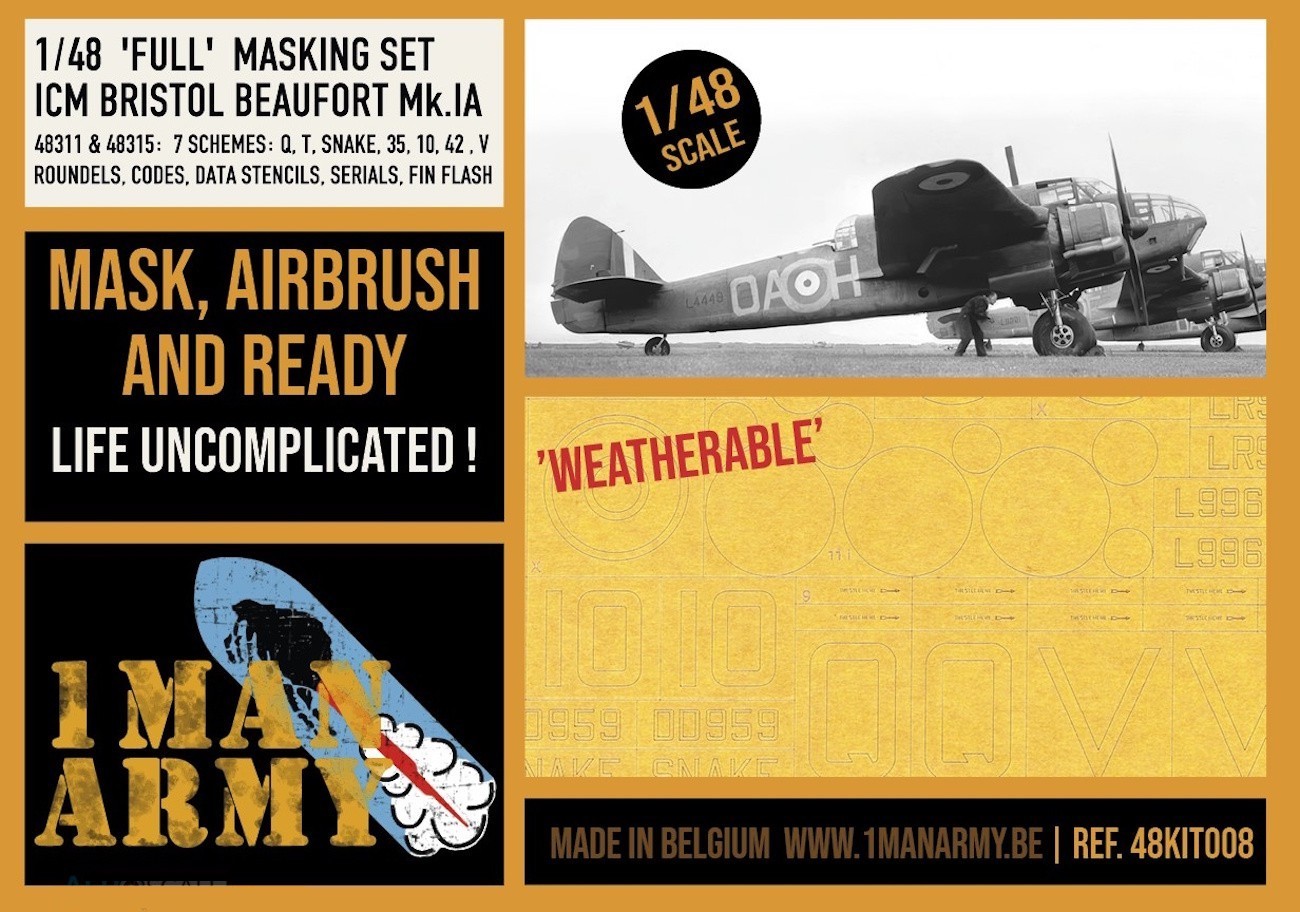 | 1ManArmy - 48KIT008 - 1:48 | Bristol Beaufort Mk.IA HIGH DEFINITION airbrush masks Covering everything you need as to apply roundels, code letters, serials, fin flash and data stencils. (designed to be used with ICM UA UK kits) More | Aircraft HD paint masks (self adhesive) | Catalogue | £24.30 | |
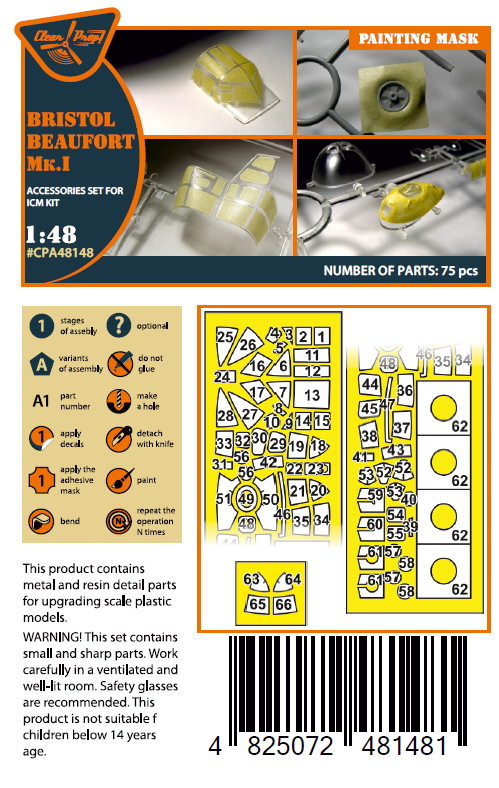 | Clear Prop Models - CPA48148 - 1:48 | Bristol Beaufort Mk.IA painting mask (designed to be used with ICM UA UK kits) More | Aircraft paint masks (self adhesive) | Future Releases | £9.99 | |
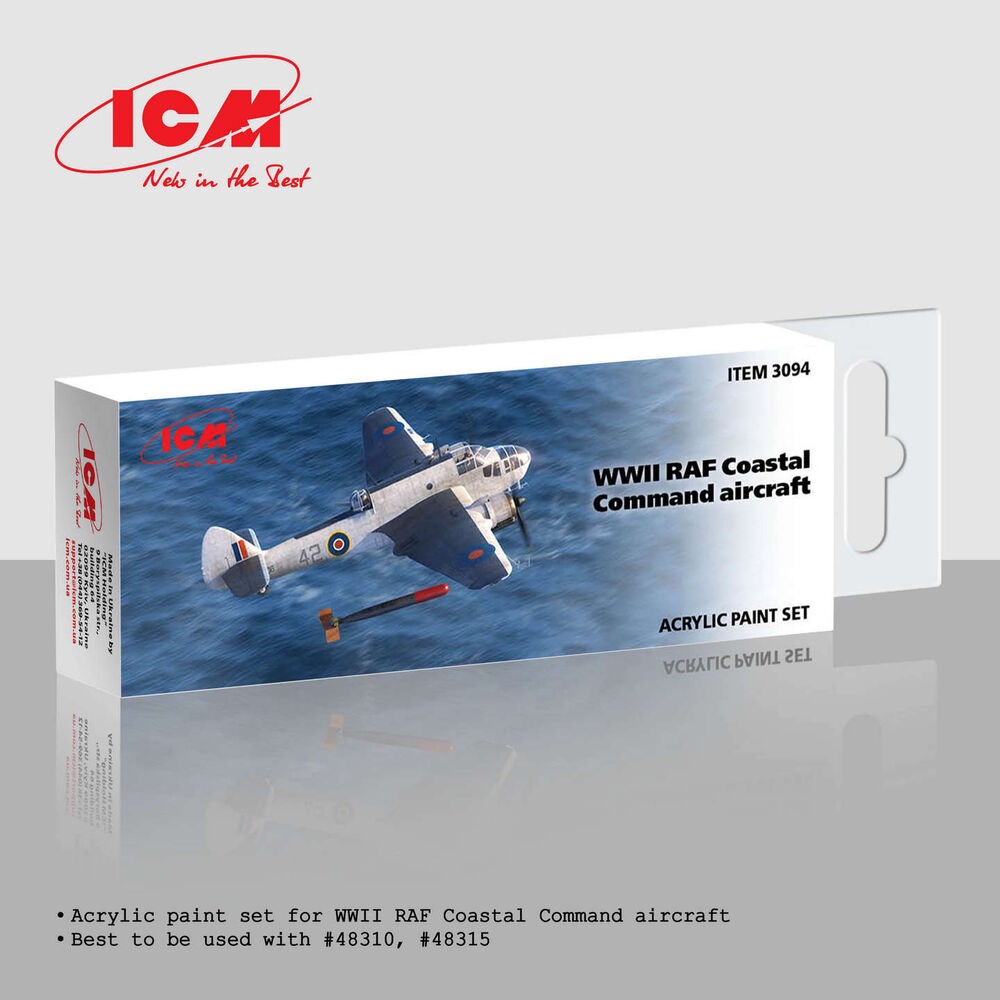 | ICM UA - ICM3094 - 1:48 | WWII RAF Coastal Command aircraft 6 bottles 12 ml (designed to be used with ICM UA UK kits)[Bristol Beaufort Mk.IA torpedo bomber] More | Paint, Acrylic 12ml | Catalogue | £9.99 | |
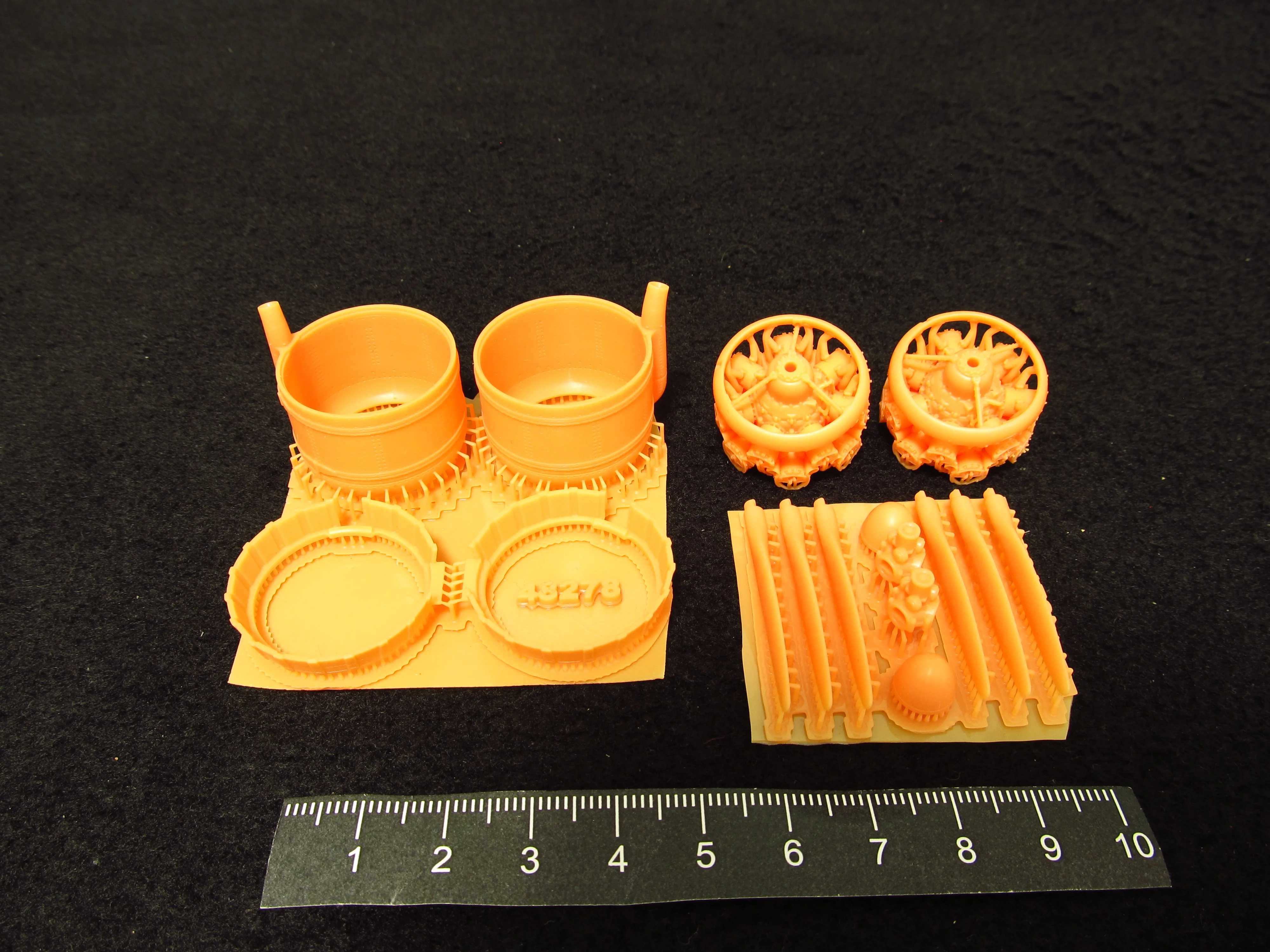 | Metallic Details - MDMDR48278 - 1:48 | Bristol Beaufort Mk.I/Mk.IA Cowlings and engines (designed to be used with ICM UA UK kits) (3d-printed) More | Aircraft detailing sets (resin) | Catalogue | £36.99 | |
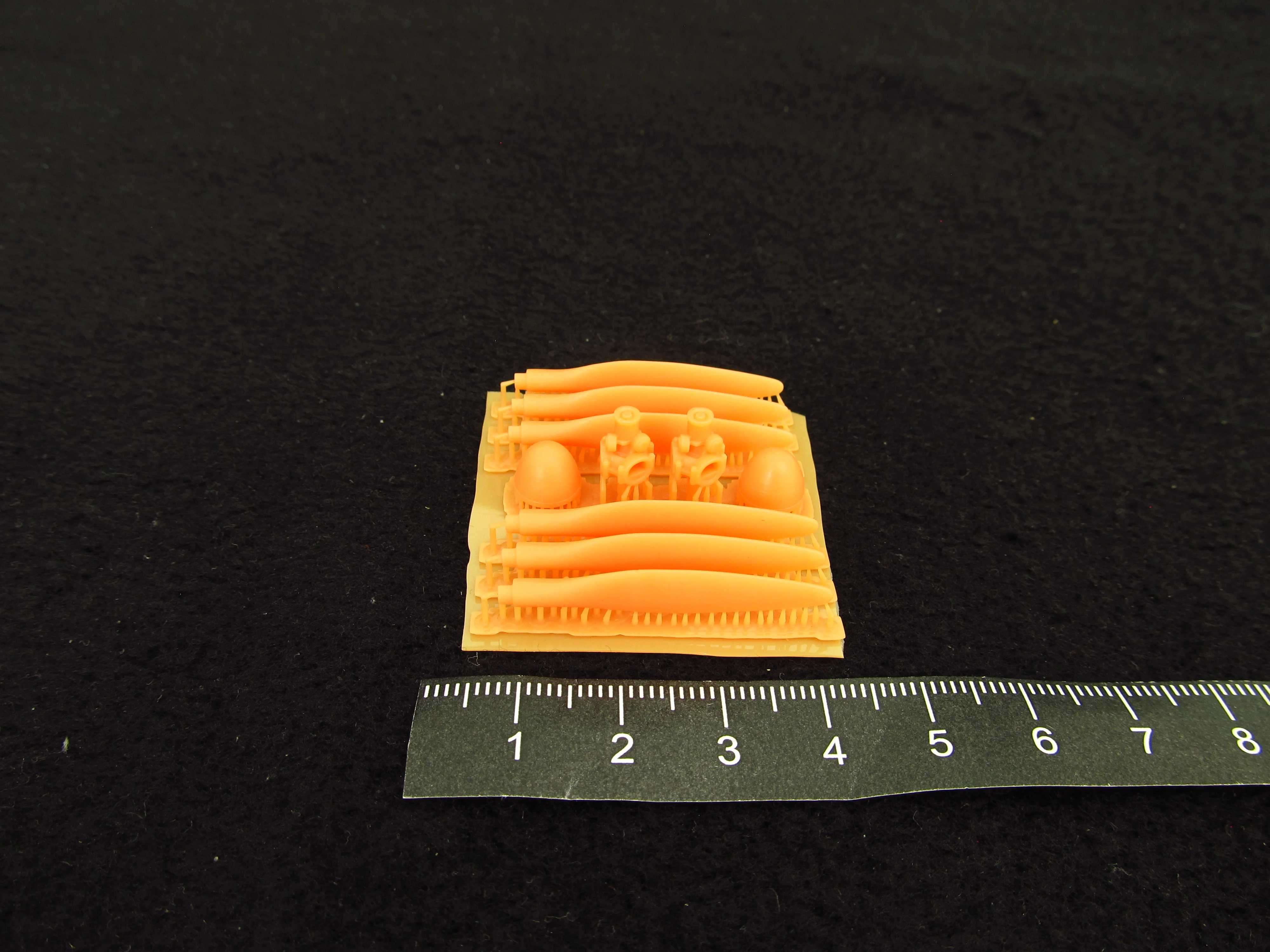 | Metallic Details - MDMDR48279 - 1:48 | Bristol Beaufort Mk.I/ Mk.IA propellers set (designed to be used with ICM UA UK kits) (3d-printed) More | Aircraft engines and propellers (resin) | Catalogue | £8.60 | |
 | Peewit - PEE48024 - 1:48 | Bristol Beaufort Mk.I canopy frame paint mask (designed to be used with ICM UA UK kits)[Mk.IA] More | Aircraft paint masks (self adhesive) | Catalogue | £10.40 |
Here are some books and decals you might find useful for this kit
Found 1 related products
| 1ManArmy - 48KIT008 - 1:48 | Bristol Beaufort Mk.IA HIGH DEFINITION airbrush masks Covering everything you need as to apply roundels, code letters, serials, fin flash and data stencils. (designed to be used with ICM UA UK kits) More | Aircraft HD paint masks (self adhesive) | Catalogue | £24.30 |
Hannants Search Engine
Convert Currency
Copyright © 2001-2026 H. G. Hannant Limited. All rights reserved. | Website by Dessol
Privacy Policy | Cookie Information | Switch to Mobile Version