



 Advanced Search
 Mark I Models MKM14487

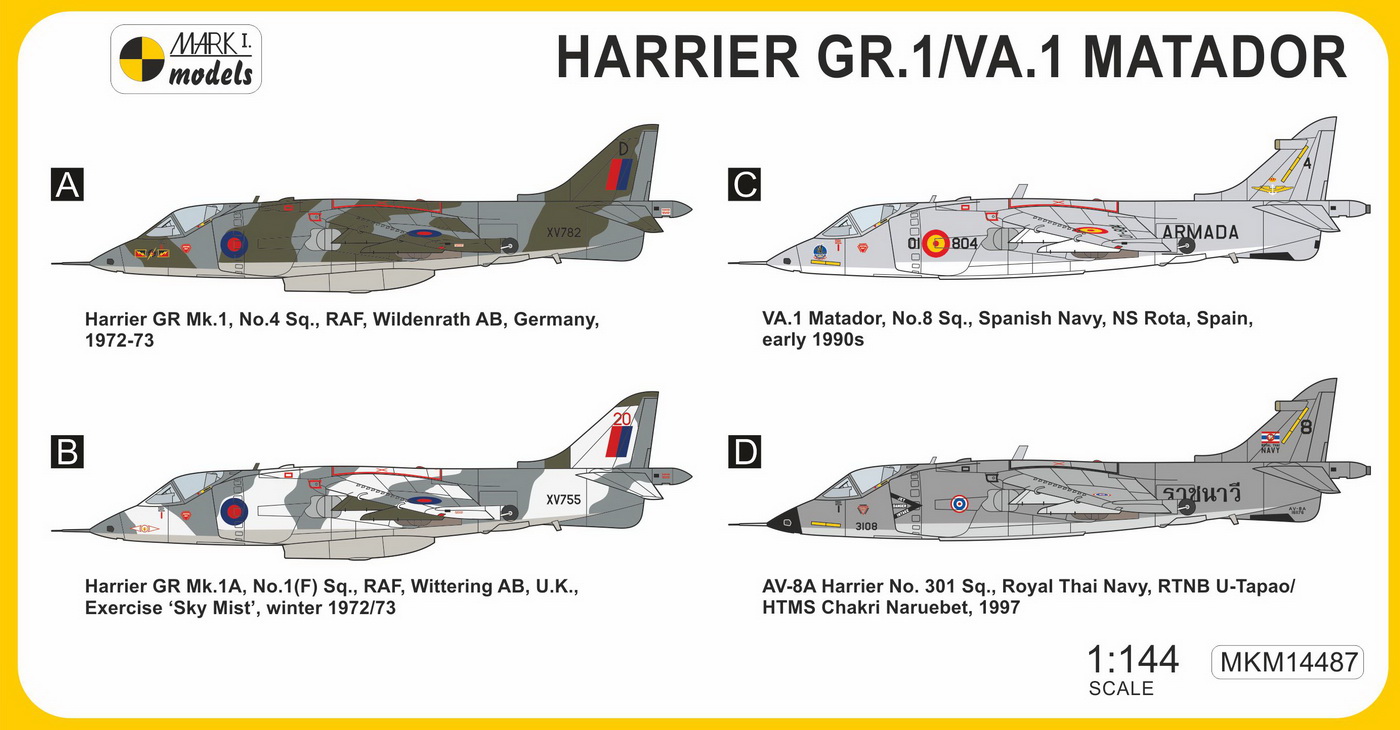
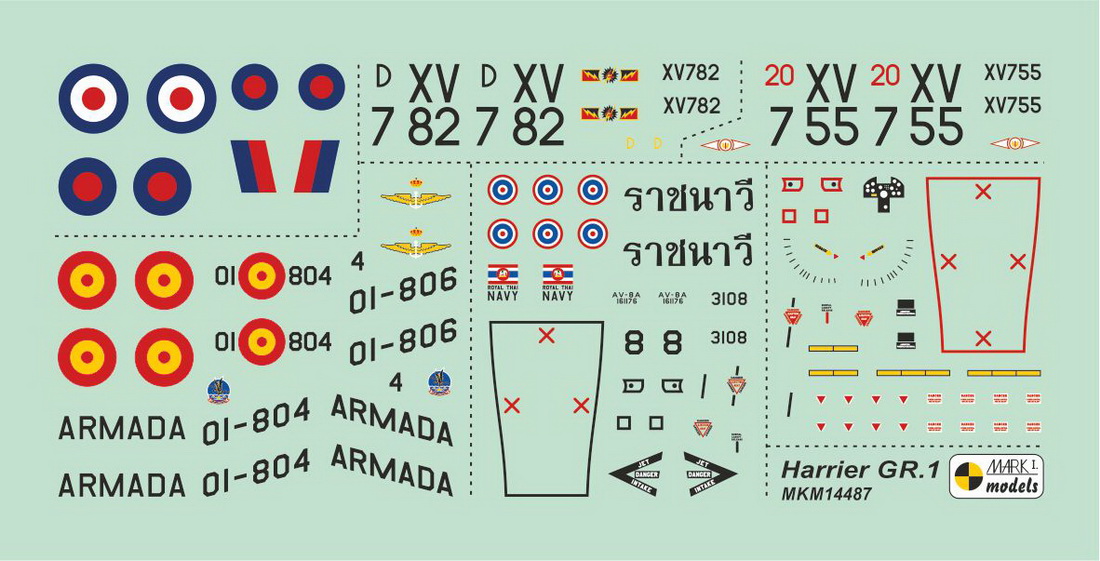
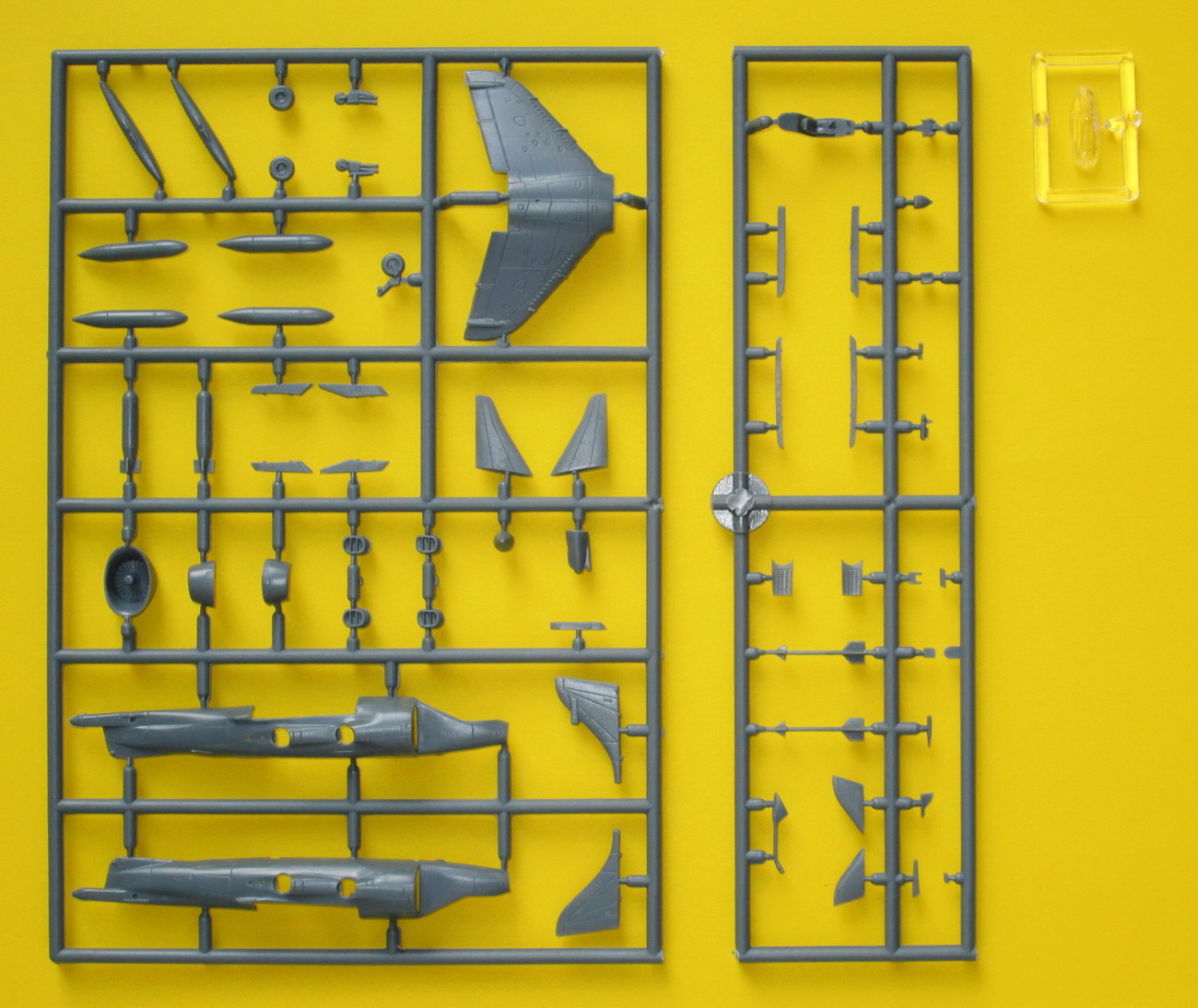
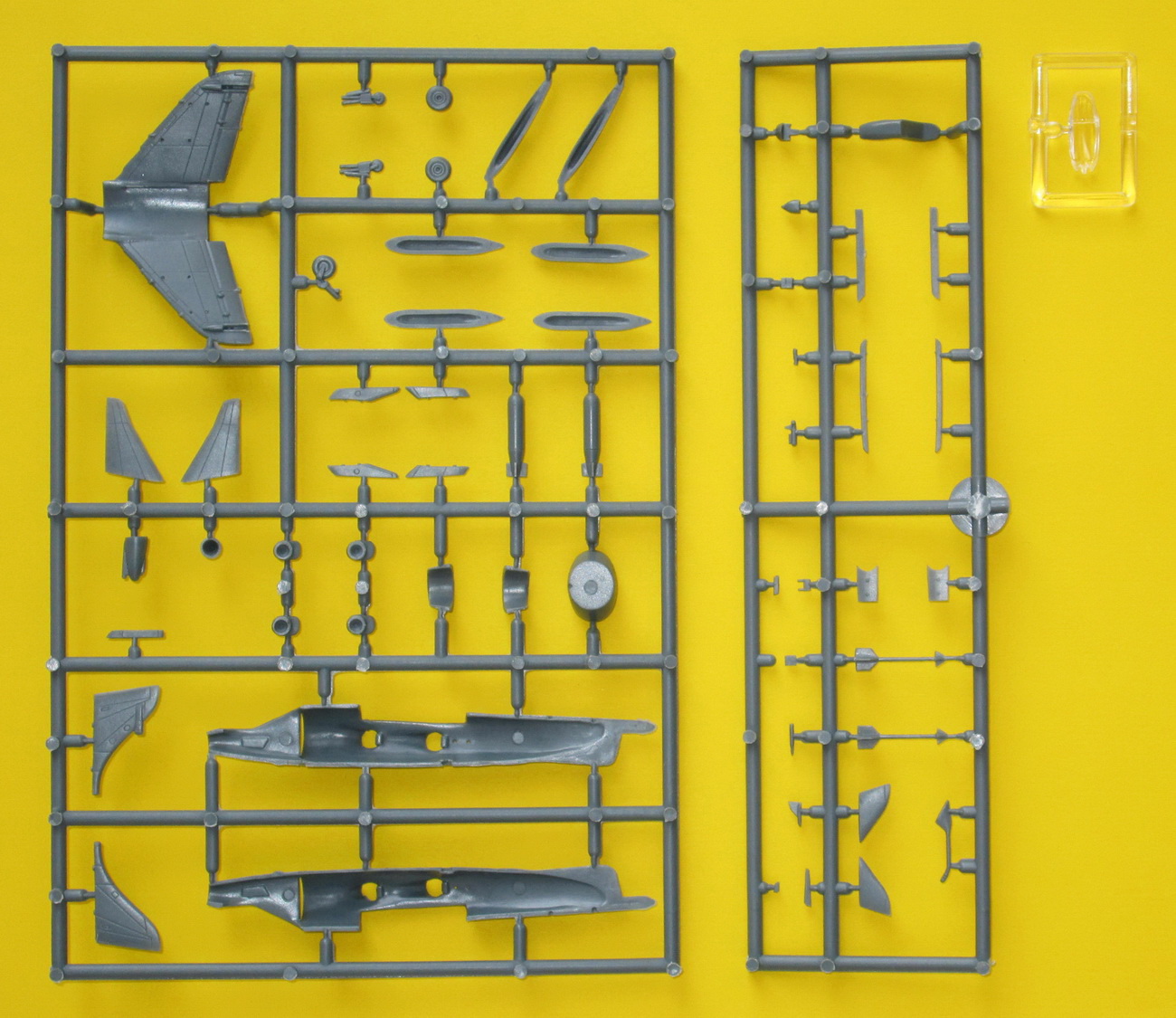
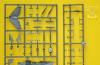
- Description:
-
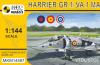
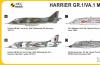
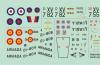
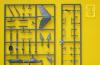
BAe Harrier GR.1/VA.1 Matador The Hawker Siddeley Harrier "Jump Jet" is a British V/STOL aeroplane developed in the 1960s. The initial version, the Harrier GR.1, was based on the P.1127 (RAF) fighter and the first aircraft of a total of sixty for the RAF were delivered in the spring of 1969. The GR.1A was an upgraded version of the GR.1 having an uprated powerplant. 58 a/c of this model existed, of which 17 were new built and 41 modified from the GR.1. During the type's service the RAF operated the Harrier fleet in West Germany as a deterrent against Warsaw Pact threat.
AV-8S was an export version of the AV-8A Harrier for the Spanish Navy. They were delivered in two batches of five (as the Harrier Mk.53 and Mk.55) in 1976 and 1980, respectively, and[+] More... - Manufacturer:
- Mark I Models
- Code Number:
- MKM14487
- Scale:
- 1:144
- Item type:
- Aircraft kits (injection)
- Price:
- £15.25
- Order Quantity:
- Quantity In Stock:
 1
1
- Availability:
- This will usually be dispatched within 24/48 hours of receiving your order
- Wish List:
- Department:
- Catalogue
Here are some accessories you might find useful for this kit
Found 3 related products
 | Master - AM144-037 - 1:144 | BAe Harrier GR.3 / T.4 - Pitot Tube (designed to be used with Dragon, Mark I Models and Revell kits) More | Aircraft detailing sets (brass) | Catalogue | £3.50 | |
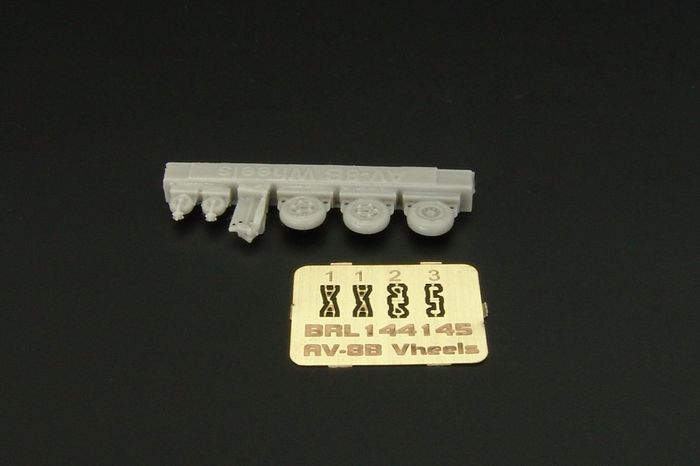 | Brengun - BRL144145 - 1:144 | McDonnell-Douglas AV-8B Wheels (designed to be used with Dragon, Hasegawa, Mark I Models and Revell kits)[BAe Harrier GR.1A/AV-8A/C] More | Aircraft wheels (resin) | Limited Availability | £6.99 | |
 | Peewit - PEE144025 - 1:144 | BAe Harrier GR.1/GR.3/McDonnell-Douglas AV-8 canopy frame paint mask (designed to be used with Mark I Models kits) More | Aircraft paint masks (self adhesive) | Catalogue | £3.99 |
Here are some books and decals you might find useful for this kit
Found 5 related products
 | Airmark - AMM3111 - No Scale | UK BAe Harrier Dec-25 by Andy Evans. Modellers Manual series More | Aircraft books | Future Releases | £12.99 | |
 | MA Publications - MAE05 - No Scale | Building The Harrier. Model Aircraft Extra #5 Building the Harrier The iconic Hawker-Siddeley Harrier was the first of the so- called Harrier 'Jump Jet' series. It was developed in the 1960s as the first operational close-support and reconnaissance fighter aircraft with vertical/short take-off and landing (V/STOL) capabilities, and the only truly successful V/STOL design of the many that arose in that era, and at its heart was the innovative Rolls-Royce Pegasus engine with its thrust vectoring nozzles. The Harrier was developed directly from the Hawker Siddeley Kestrel prototype aircraft, following the cancellation of a more advanced supersonic Hawker Siddeley P.1154. Originally said to be 'unable to carry more than a matchbox over a football field' the Harrier matured into one of the most potent warplanes of its generation. The RAF ordered the Harrier GR.1 and GR.3 variants in the late 1960s, as well as T.4 trainers versions, and it was also exported to the United States as the AV-8A and TAV-8A, for use by the US Marine Corps as well as the Spanish Navy in the 1970s. Spain sold seven single-seat and two twin-seat Harriers to Thailand in 1998. The Sea Harrier FRS.1, which shot to fame during the Falklands War, was designed to fill the strike, reconnaissance and fighter roles for the Royal Navy, and the innovative use of a 'ski jump' allowed the aircraft to take-off from a short flight deck with a heavier loadout than otherwise possible. After the Falklands War, the Sea Harrier was upgraded to the F/A2 standard and featured the Blue Vixen radar and carried the AIM-120 AMRAAM missile. The Indian Navy was the only other user of the Sea Harrier aboard their aircraft carriers INS Vikrant and INS Viraat. The BAe/McDonnell Douglas Harrier II was a second-generation of V/STOL aircraft designed for use by the US Marne Corps, RAF and the Royal Navy and continues in service with the USMC as the McDonnell-Douglas AV-8B and TA-V8B trainer and is also in service with the Spanish and Italian Navies. For the RAF, initial deliveries of the Harrier II were designated as Harrier GR.5 and subsequent upgraded airframes were redesignated accordingly as GR.7 and GR.9. The RAF Harriers saw action over Bosnia and Afghanistan before being retired in 2011. Most of the original US Marine Corps McDonnell-Douglas AV-8B 'day attack' aircraft were upgraded to either the FLIR equipped 'Night Attack Harrier' or the more capable radar equipped 'Harrier II Plus' and have participated in support of Operation 'Southern Watch', Operation 'Allied Force'. USMC McDonnell-Douglas AV-8Bs also took part in Operation 'Enduring Freedom' in Afghanistan from 2001, and the aircraft also participated in the Iraq War in 2003, acting primarily in support of USMC ground units, and in 2011, they flew in support of Operation 'Odyssey Dawn', enforcing the UN no-fly zone over Libya. This fourth book in the MA Extra Series contains fourteen model builds, colour profiles and scale plans, and will be a must for the Harrier aficionado! More | Aircraft books | Limited Availability | £14.99 | |
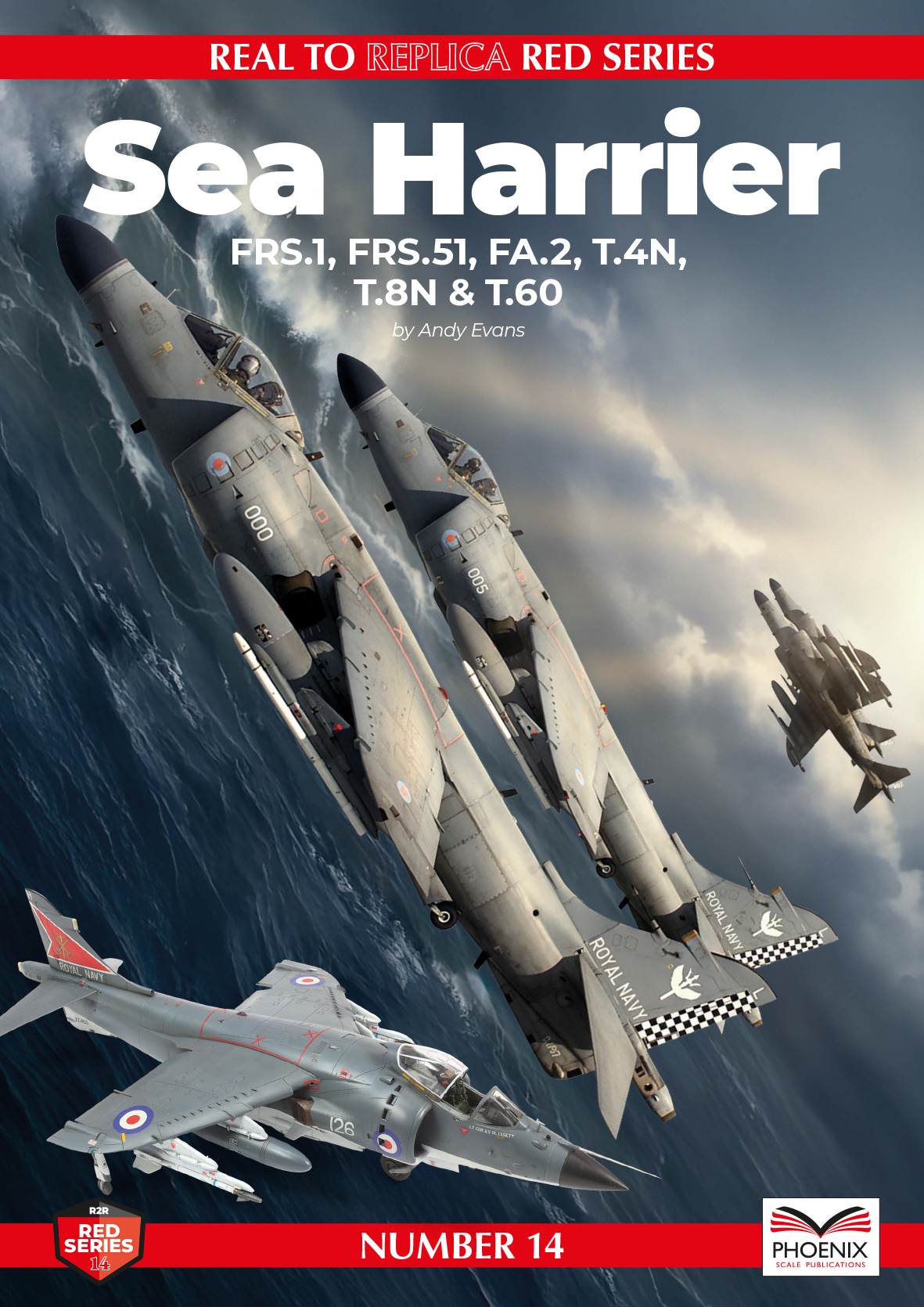 | Phoenix Scale Publications - R2RRED14 - No Scale | BAe Sea Harrier PRS.I, FRS.51, FA.2, T. 4N, T.8N & T.60 by Andy Evans (was to be R2RBLUE06) More | Aircraft books | Catalogue | £27.99 | |
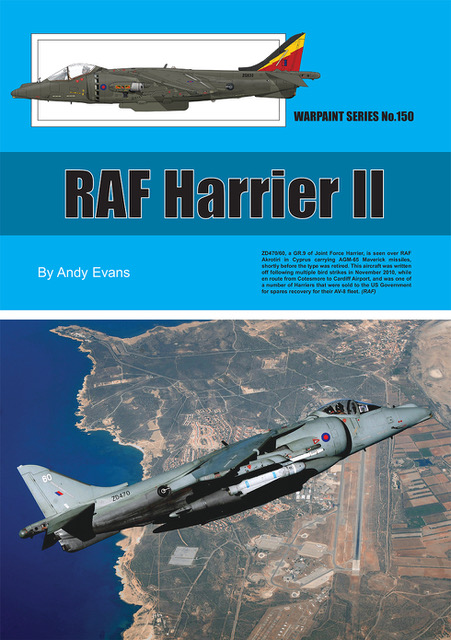 | Warpaint Series - WPS150 - No Scale | RAF BAe Harrier II By Andy Evans The essential Warpaint series celebrates its milestone 150th release with a subject close to the hearts of all military aviation enthusiasts, telling the all-to-brief story of the Harrier II in British service. Lavishly illustrated with contemporary photographs covering all aspects of the aircraft's development and operational service, this account starts with the replacement of the RAF's GR.3s with the GR.5, followed shortly by the even-more-capable GR.7, and ends with final deployment of the type to Afghanistan as part of Joint Force Harrier. As with previous titles in the series the book includes a comprehensive walkaround, scale plans and colour profiles by Sam Pearson, and draws another line in aviation history under a type that reached the end of its service prematurely. The Harrier has been covered in all the major scales by the model kit industry and, with a myriad of high quality detail shots of the aircraft both at work and at rest, this latest Warpaint represents an essential reference for a modelling project. More | Aircraft books | Catalogue | £17.00 | |
 | Warpaint Series - WPS75 - No Scale | BAe Sea Harrier FRS.I/BAe Sea Harrier FA.2 More | Aircraft books | Catalogue | £13.50 |
Hannants Search Engine
Convert Currency
Copyright © 2001-2026 H. G. Hannant Limited. All rights reserved. | Website by Dessol
Privacy Policy | Cookie Information | Switch to Mobile Version