Cookies are small text files that are placed on your computer by
websites that you visit. They are widely used in order to make
websites work, or work more efficiently, as well as to provide
information to the owners of the site.
Here is a list of cookies this site uses:
Cookie name
Description
existing_user
Stores the email address used to previously log into the site, used to prefill forms like on the reset password screen
authchallenge
Authentication security checks
hcart
Stores the anonymous customer\'s cart token. If items are added to the card while not logged in, if you log in the items will be added to the customer\'s existing cart
hannants
Stores the session information while you remain on the site
pricer
Stores if the export or eu prices is selected on the catalogue page
hidefilter
Stores if the search filter panel is hidden or shown
AWSELB
Stores which server you\'re connected to so to access the same server while you navigate around the site
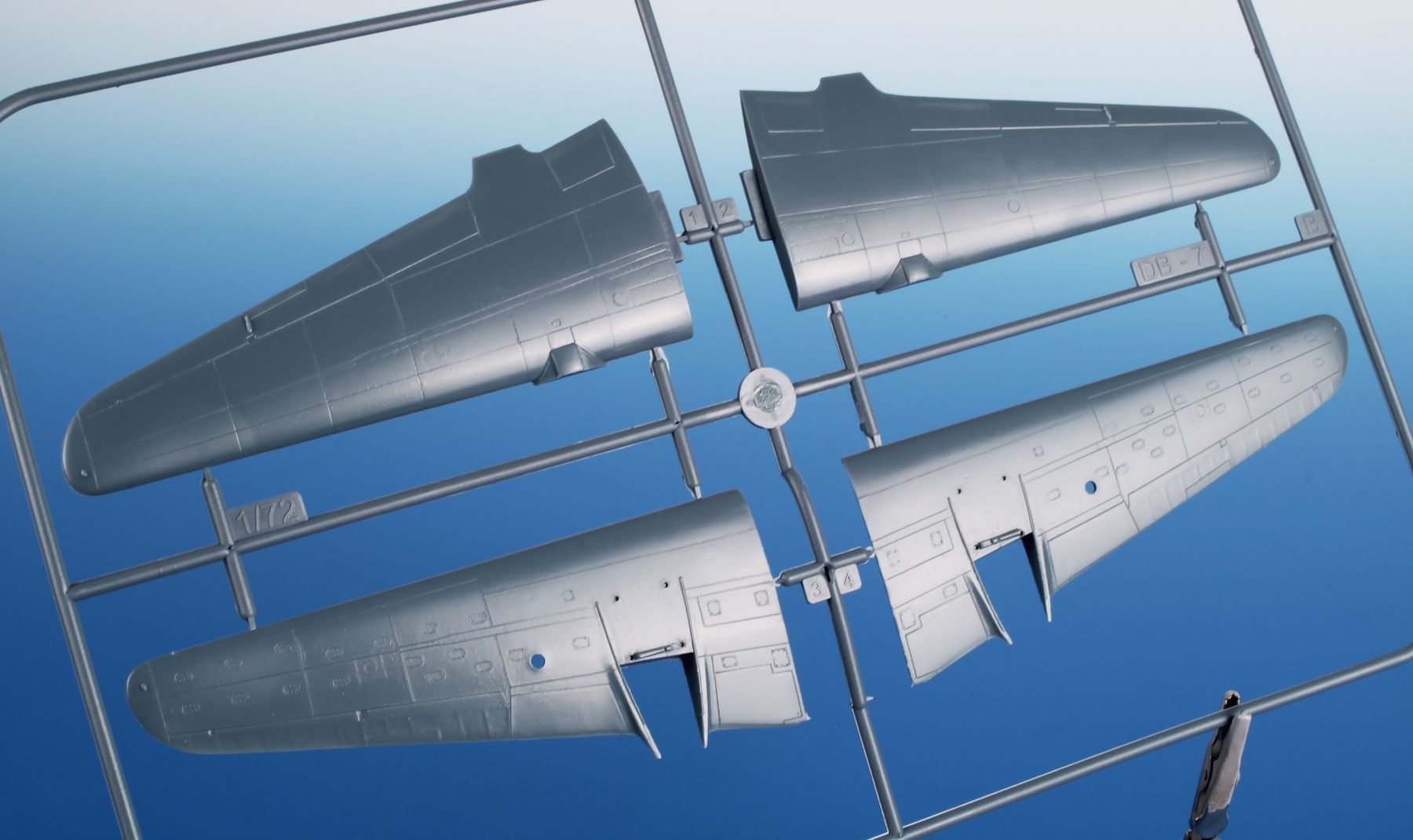
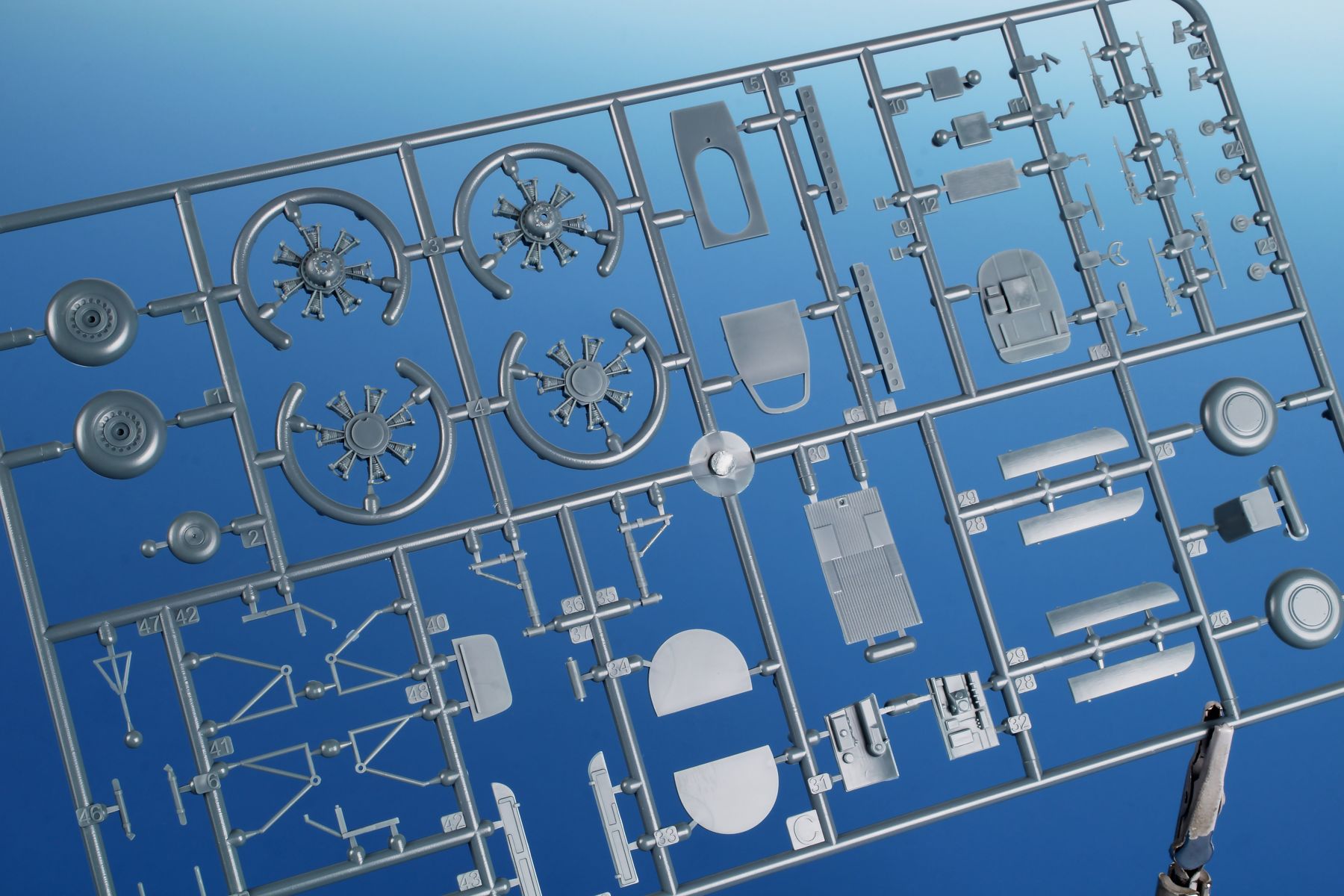
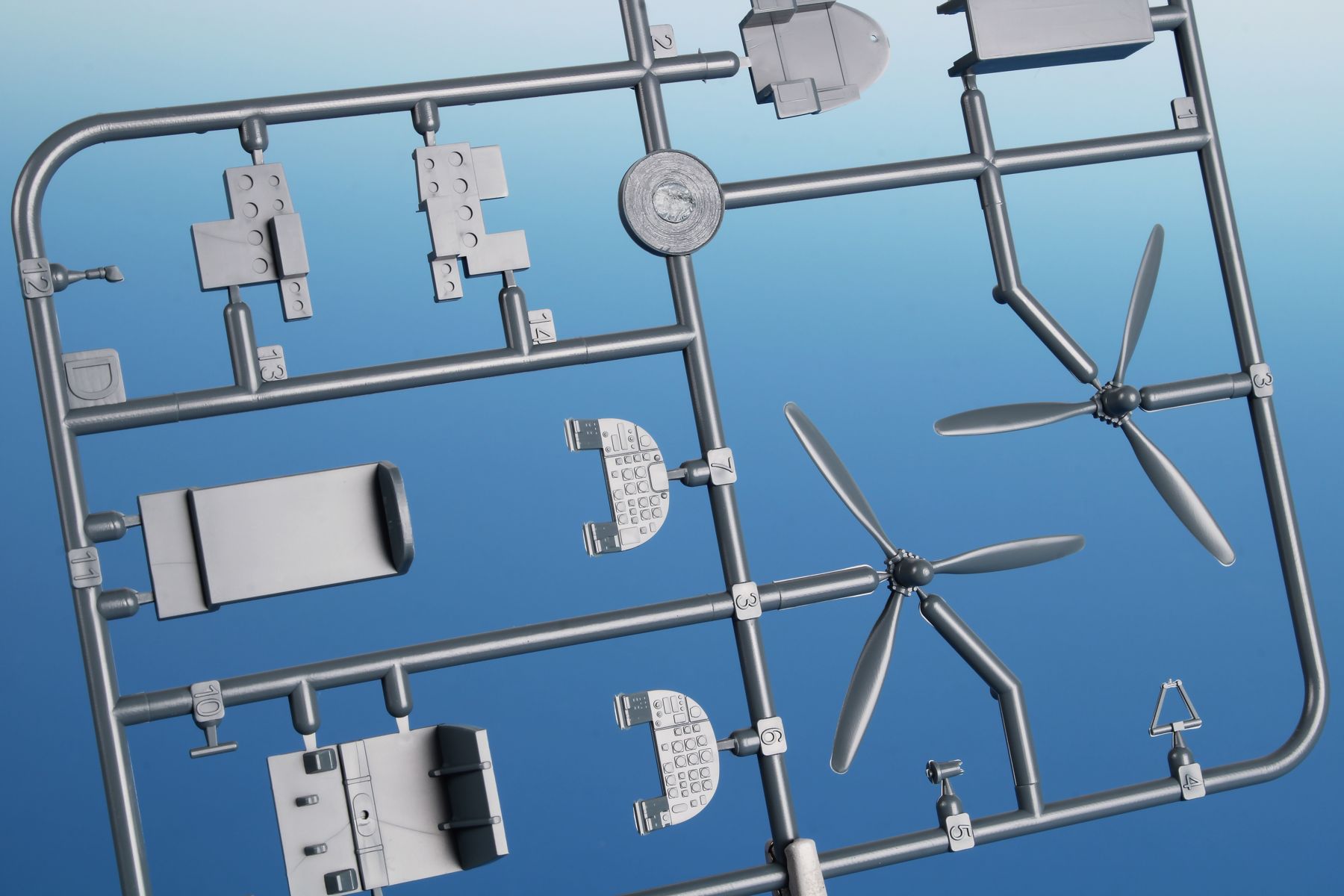
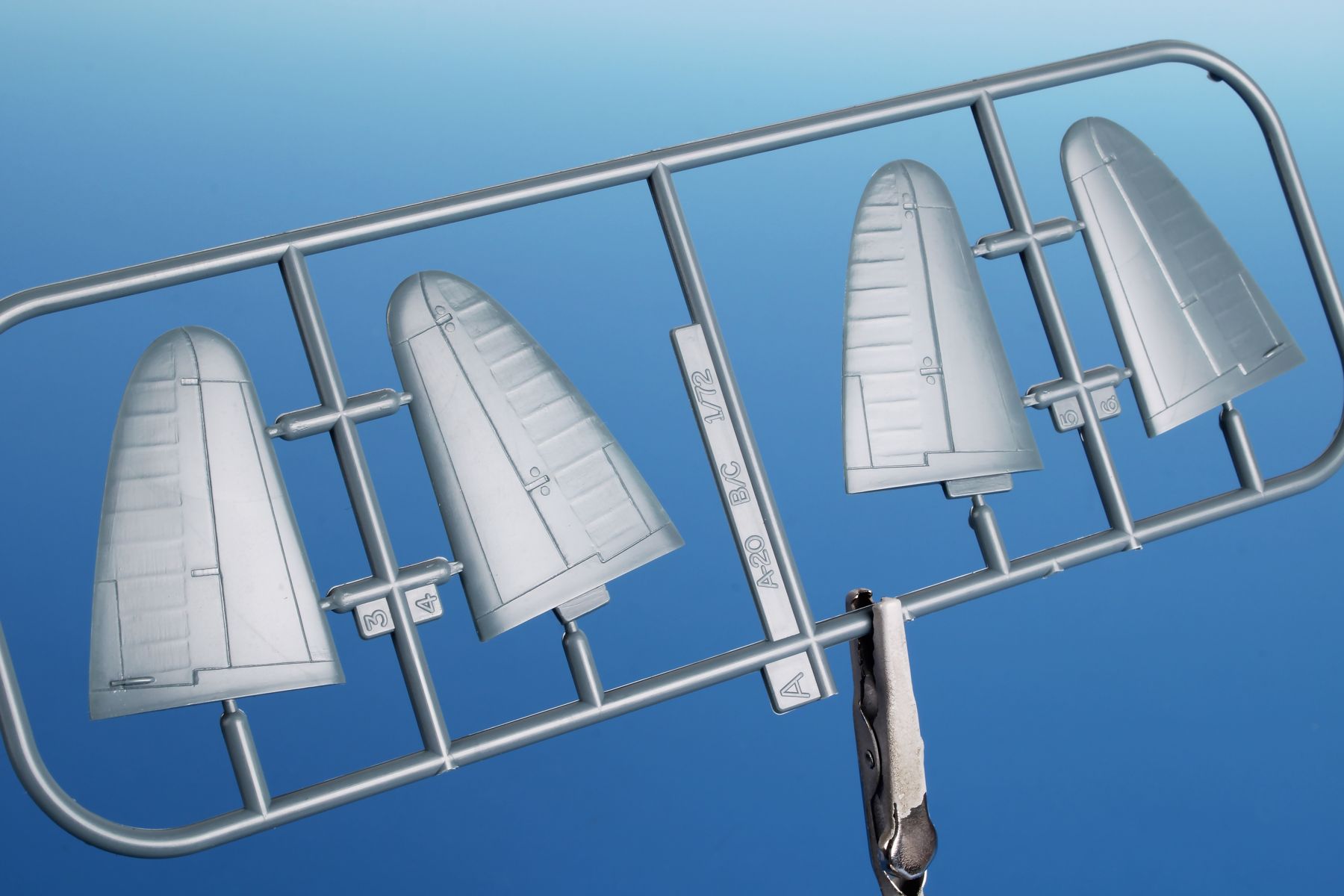
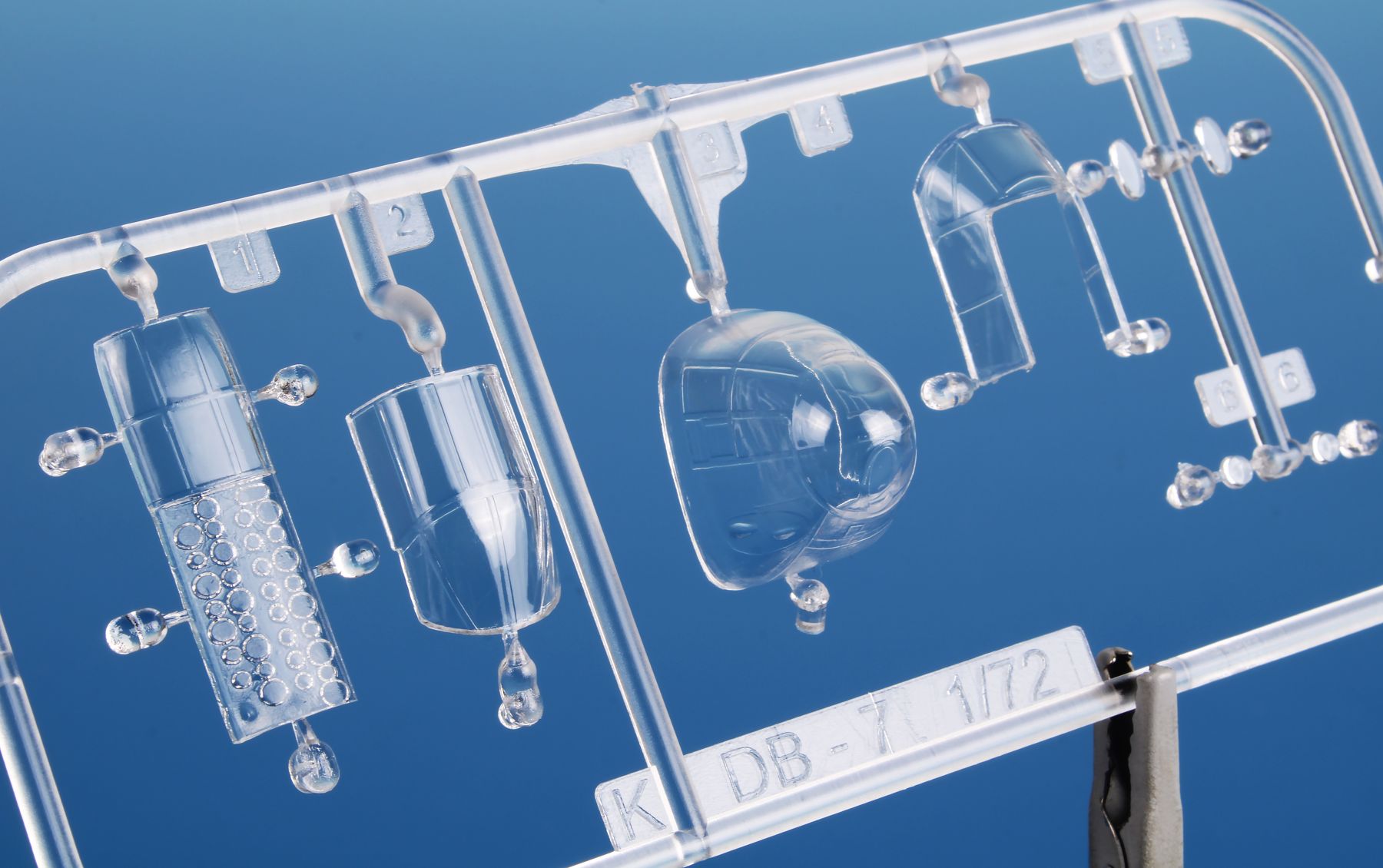
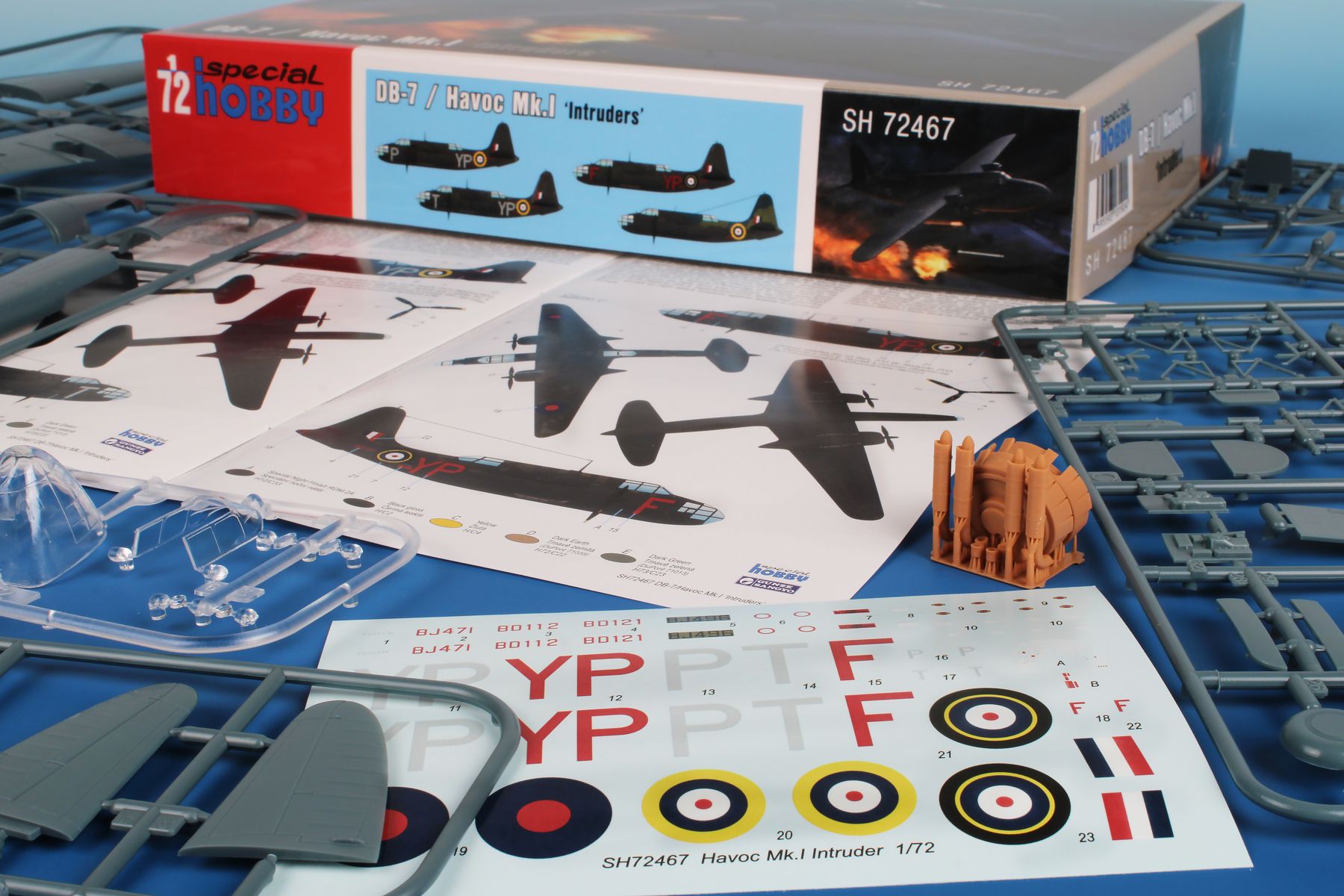
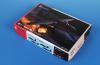
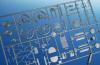
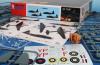
Douglas DB-7 Havoc Not long before the outbreak of WW2, France ordered the then newly developed DB-7 light bombers from the Douglas company in the USA. Some machines, powered by P&W R-1830 engines and fitted with a narrow and short tail fin, were actually received and deployed in combat in 1940. The French machines went on flying and fighting until 1945, sometimes also switching sides. Before its defeat in 1940, France was not able to take over all of the ordered machines so some of them went to Britain instead where they were operated as the Havoc Mk.I bombers. Next machines, which were powered with the Wright R-2600 and known as the Havoc Mk.II / Boston Mk.III followed. The first Havoc Mk.I versions flew in the light bomber role and were not equipped with a specialised night radar. The night flying Intruder machines were used to attack enemy's airfields at night, while those of the airframes fitted with a radar, were used to defend the night skies over Britain.
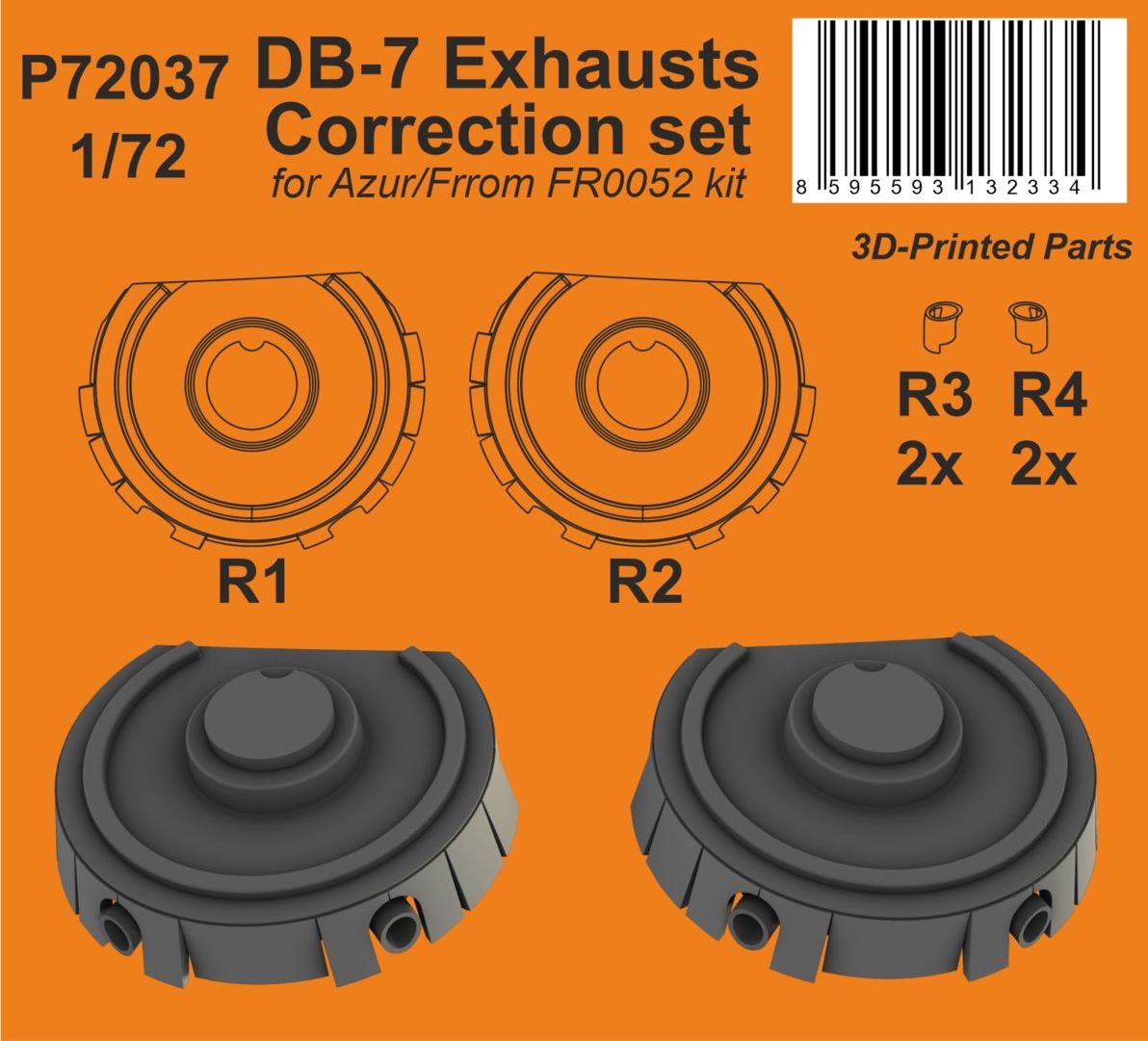
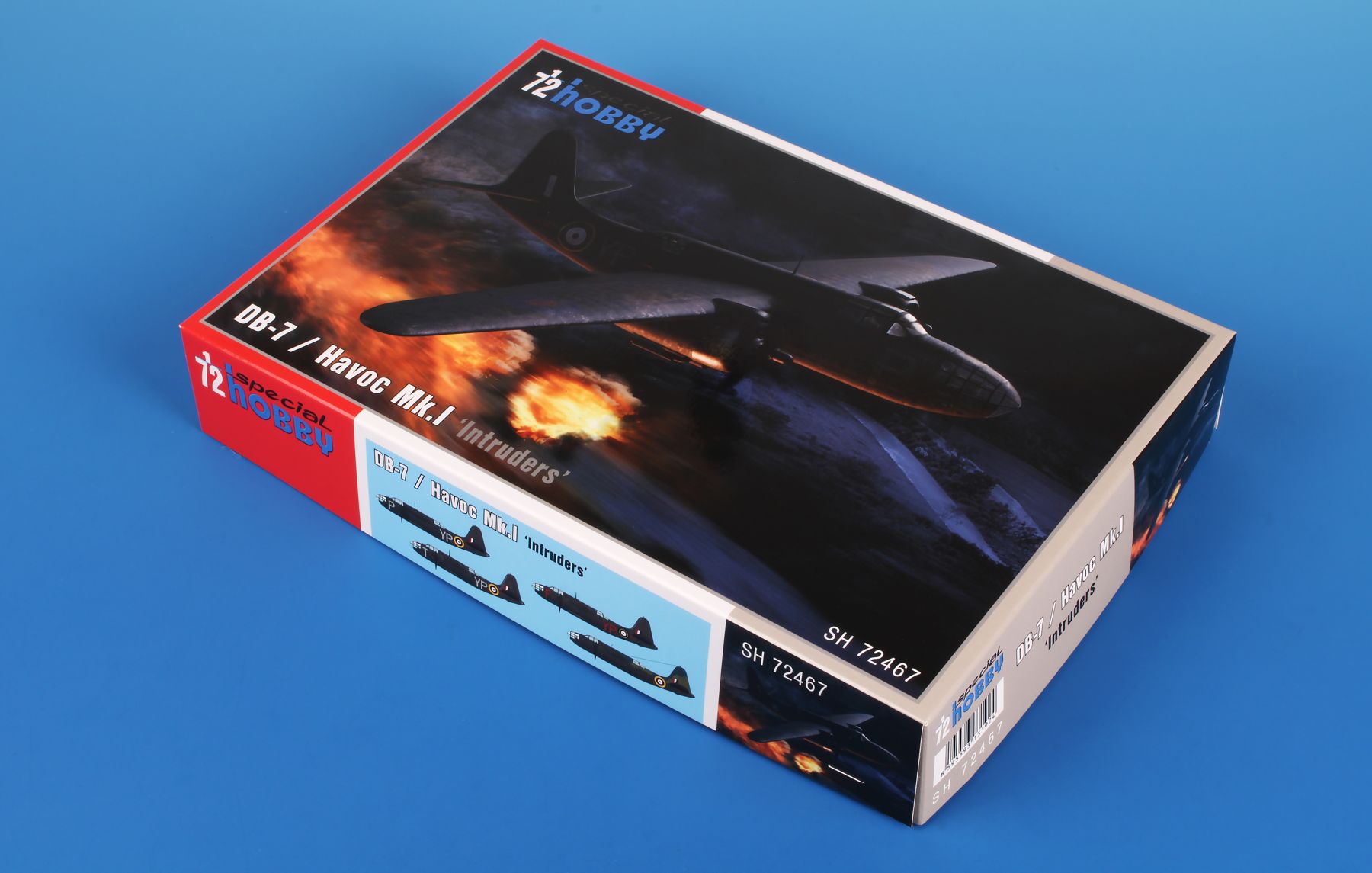
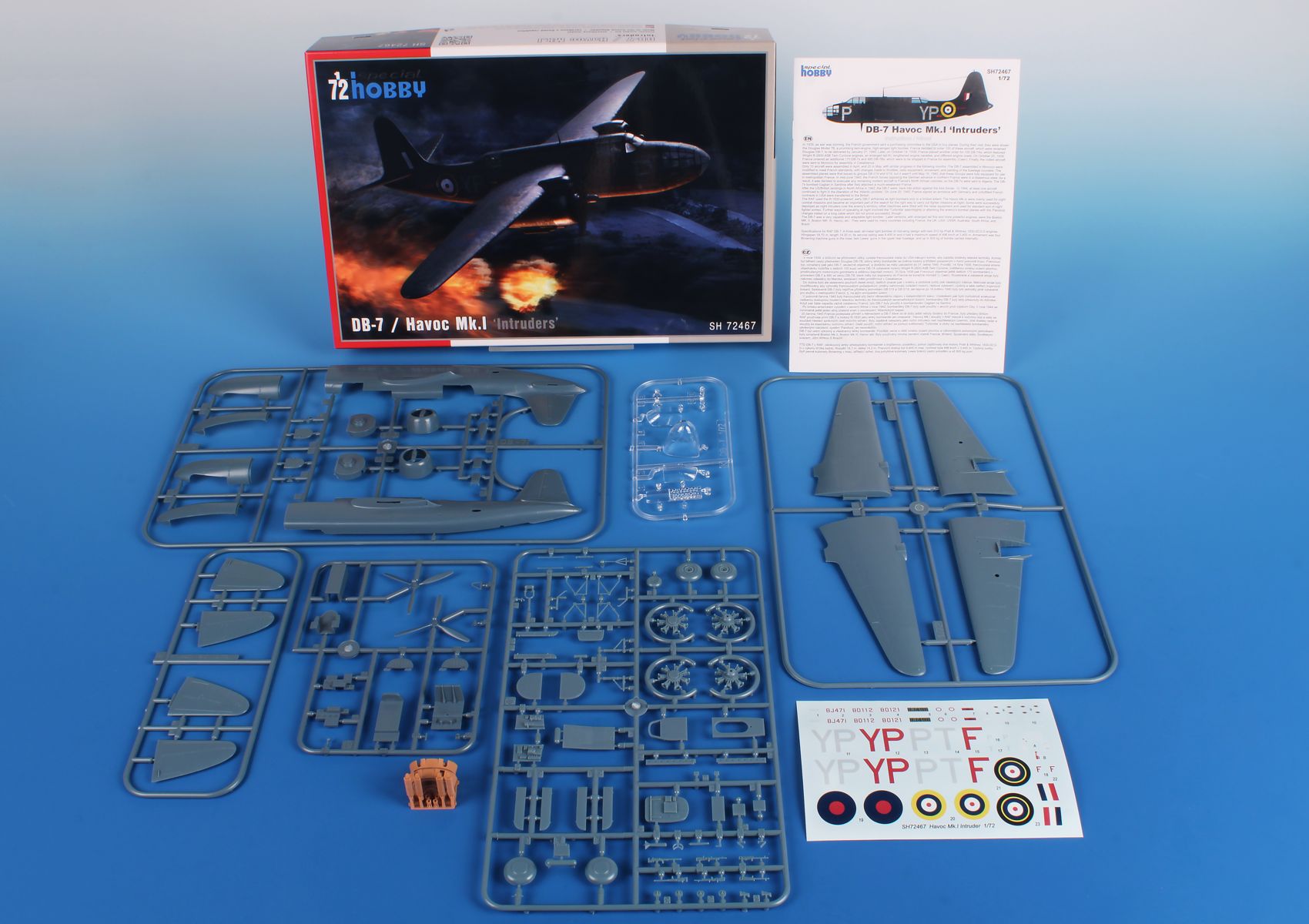
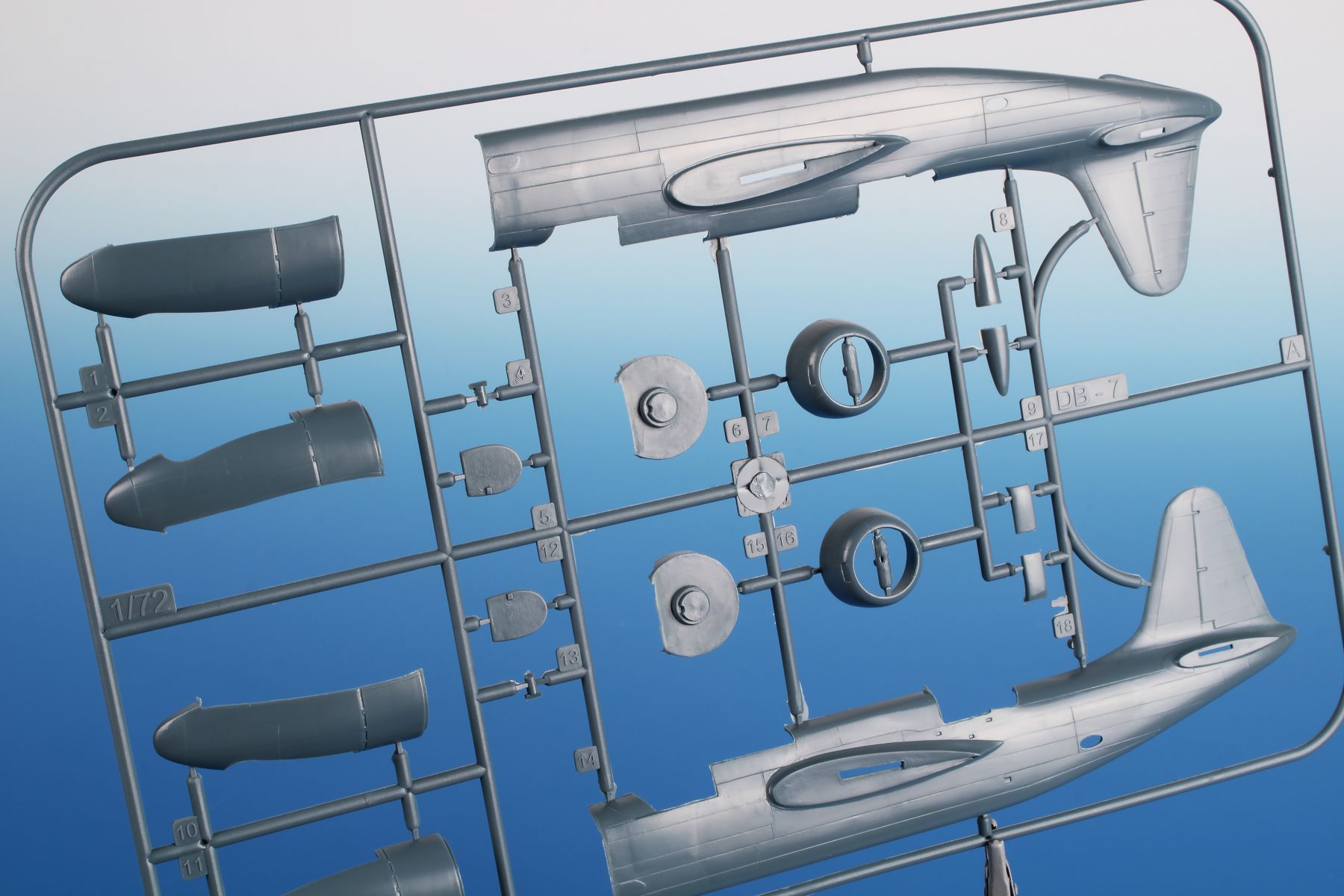
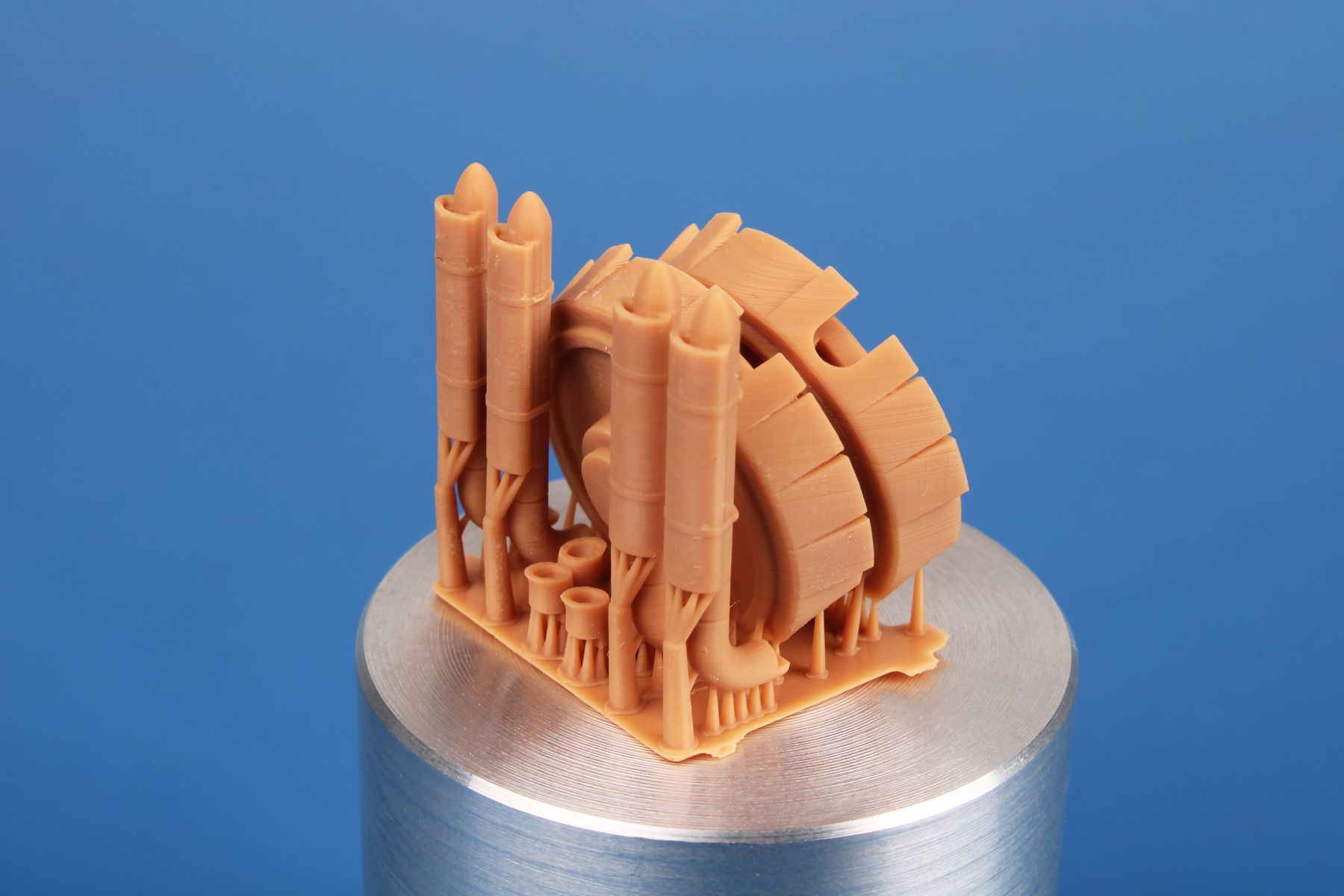
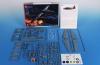
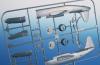
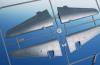
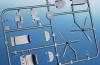
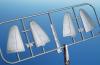
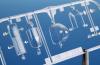
Our DB-7 Havoc Mk.I 'Intruders' kit set offers three all-black painted Intruder machines fitted with night exhausts and one bomber machine in a special test colour scheme. These machines were used by a couple of British ace pilots to achieve their first victories and were also used by Polish crews. There is one important thing associated with the Havoc exhausts-and that we learned about only after finishing the kit moulding tools. All the reference materials and scale drawings that we had, including those published in 2024, show engine exhaust only on the outboard side of the engine nacelles. While researching the camouflage schemes, it became clear that it is one of the long time repeated errors as the DB-7/Havoc Mk.I airframes did have the exhausts stacks on either side of the nacelles, ie on the outboard as well as on the inboard side. And so, our latest kit contains two pairs of night exhausts as well as two pairs of standard ones and also correction parts for the cowling flaps. The future release kits will already have the nacelle / exhaust area corrected.
[+] More...
Manufacturer:
Special Hobby
Code Number:
SH72467
Scale:
1:72
Item type:
Aircraft kits (injection)
Price:
£21.66
Order Quantity:
Quantity In Stock:
10+
Availability:
This will usually be dispatched within 24/48 hours of receiving your order
Wish List:
Department:
Catalogue
GPSR information:
Manufacturer Address:
SPECIAL HOBBY s.r.o.
, Mezilesí 718/78,
, 19300 Praha 9, ?R
,
, https://www.specialhobby.eu/contact
Here are some accessories you might find useful for this kit
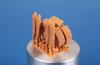
Douglas A-20/DB-7C Boston RAAF Crew (designed to be used with Special Hobby kits) Two RAAF crew members about to get into their A-20 Boston. The pilot is standing on the fuselage while the gunner is bending down so that he could board the plane via the belly entrance. These fugures are sculpted to fit the Special Hobby A-20/DB-7C models or some other RAAF aeroplanes of the era.
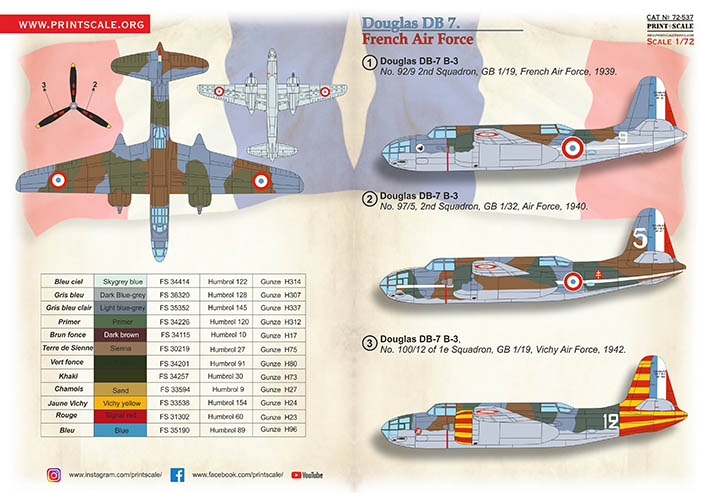
Douglas DB-7 French Air Force
1. Douglas DB-7 B-3 No. 92/9 2nd Squadron, GB 1/19, French Air Force, 1939.
2. Douglas DB-7 B-3 No. 97/5, 2nd Squadron, GB 1/32, Air Force, 1940.
3. Douglas DB-7 B-3, No. 100/12 of 1e Squadron, GB 1/19, Vichy Air Force, 1942.
4. Douglas DB-7 B-3, No. 44/9 of the 2nd Squadron, GB 1/19, Vichy Air Force, late 1940.
5. Douglas DB-7 B-3, No.50, 3rd Squadron, GB ll/61, October 1942. The insigna belongs to BR 45. Note small inscription under the badge on end: 'Le Pere'.
6. Douglas DB-7 B-3, No. 129/A, GB 1/31, April 1945. Note heavily faded top camouflage, patched in parts. Black/white
bands above and below wings.
Douglas A-20 HAVOC IN ACTION Doyle. The Douglas A-20 Havoc was a light bomber, attack, and intruder aircraft of World War II. Used by the American Army Air Forces, nearly one-third of the aircraft served with the Soviet military, while many other A-20s fought with the RAF. Taking its first operational shape on the eve of the outbreak of the war in Europe, the 7B prototype actually crashed with a French observer aboard, kicking off a scandal in still-isolationist America where military aircraft were not to be exported. U.S. President Franklin Roosevelt pressed for a change in that restrictive rule and the French, impressed by the plane's rugged dependability and maneuverability, proceeded to place orders for 100 of the aircraft, albeit with modifications that resulted in the DB-7 version. Even before shipments began in November 1939, Paris had increased its order by another 170 aircraft. Many of those, however, found their way into the British RAF, which flew them under the nickname Boston, after the fall of France in June 1940. The U.S. Army Air Corps issued its first contracts for the aircraft they called the A-20 and A-20A, in May 1939, these were only delivered during the months from late 1940 through much of 1941. A dozen A-20As had recently arrived in Pearl Harbor when the Japanese surprise attack destroyed two of them on the ground. Modifications of the design continued and it was after the U.S. entry into the war when the A-20C version, produced by Douglas and Boeing, first were accepted. Of the first 515 A-20Cs, 108 were retained by the U.S. Army Air Forces, while 407 were shipped off to the Soviet Union. Numerous versions of the aircraft followed. About half of the A-20G were sent to the Soviet Union, as were many of the A-20H. In fact the Soviet air forces had more A-20s than the USAAF. Illustrated with 192 vintage photographs and detailed line drawings. 80 pages. (now out of print so be quick!)




 Advanced Search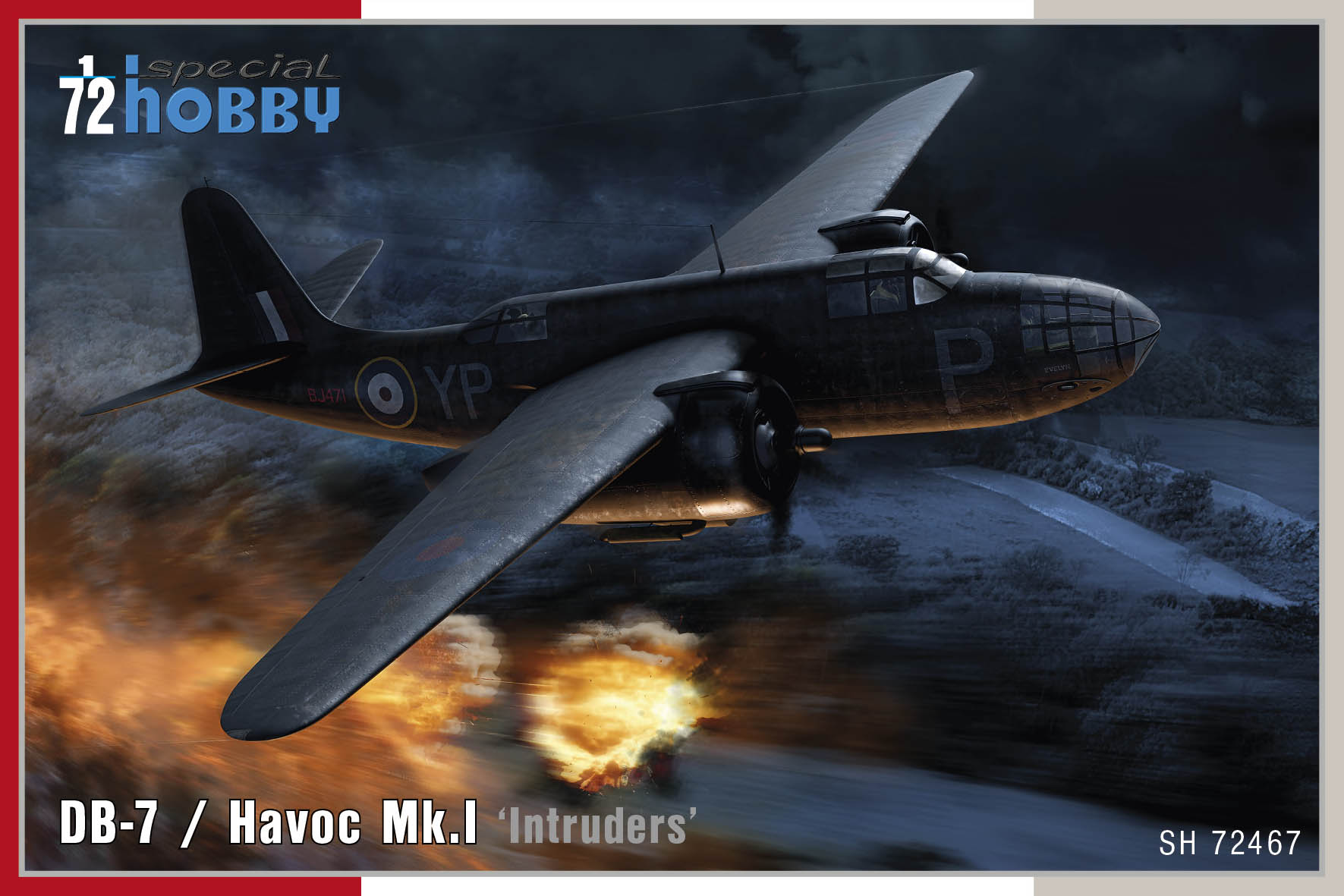
 10+
10+