Cookies are small text files that are placed on your computer by
websites that you visit. They are widely used in order to make
websites work, or work more efficiently, as well as to provide
information to the owners of the site.
Here is a list of cookies this site uses:
Cookie name
Description
existing_user
Stores the email address used to previously log into the site, used to prefill forms like on the reset password screen
authchallenge
Authentication security checks
hcart
Stores the anonymous customer\'s cart token. If items are added to the card while not logged in, if you log in the items will be added to the customer\'s existing cart
hannants
Stores the session information while you remain on the site
pricer
Stores if the export or eu prices is selected on the catalogue page
hidefilter
Stores if the search filter panel is hidden or shown
AWSELB
Stores which server you\'re connected to so to access the same server while you navigate around the site
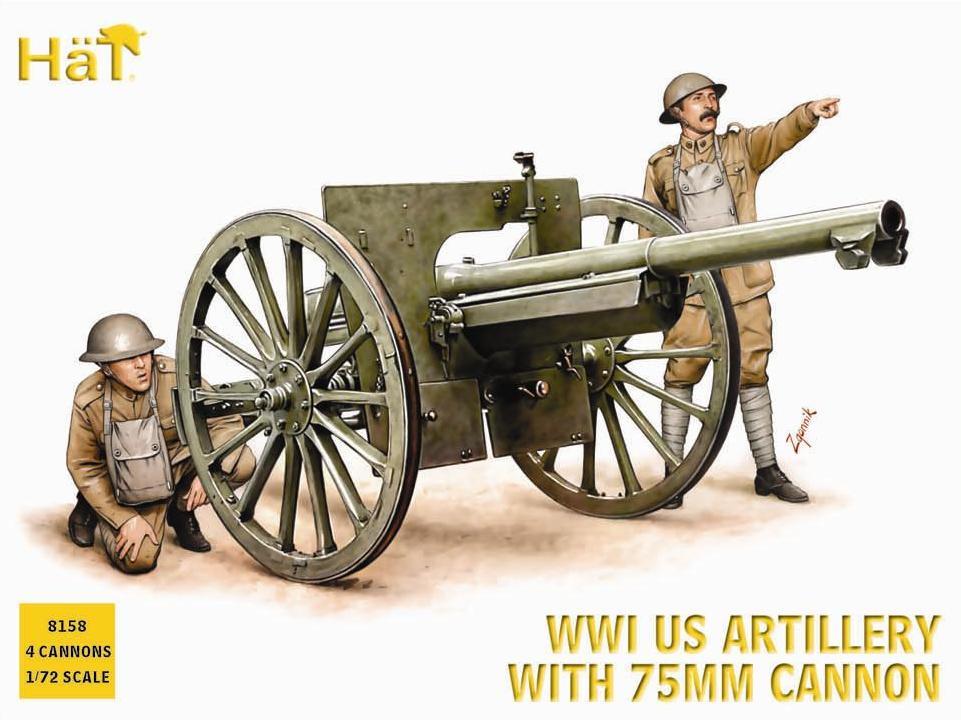
WWI U.S. Artillery 4 per box. When the United States entered the First World War in 1917, its army expanded with remarkable speed, but many branches were not yet equipped for modern industrial warfare. Field artillery was one of the areas where American forces depended heavily upon their Allies, and the most important weapon they adopted was the famous French 75mm Model 1897.
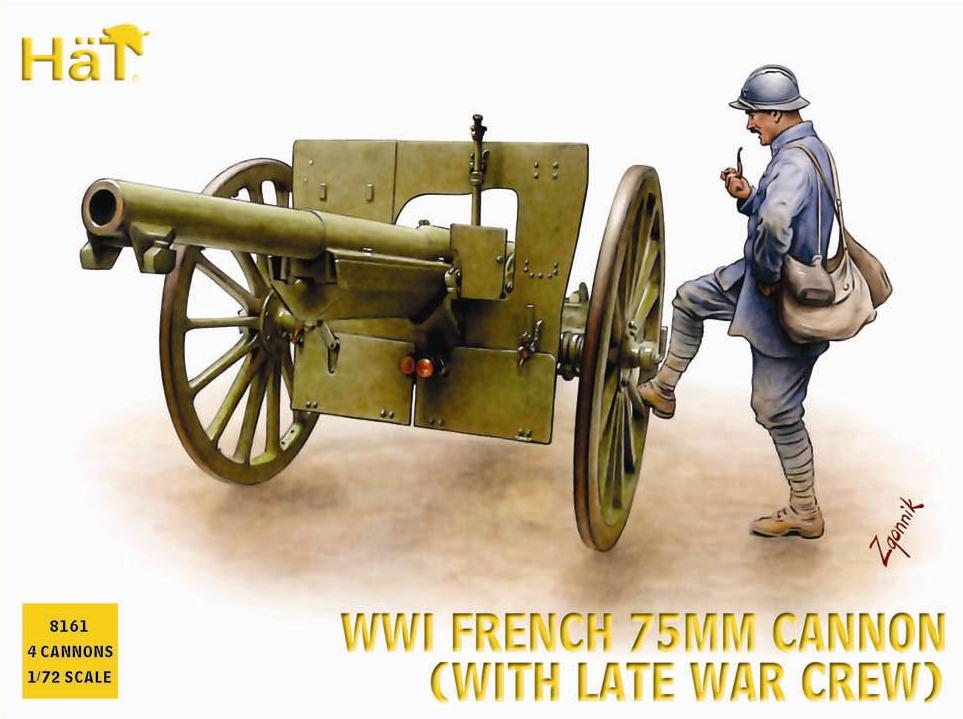
The French "75" had revolutionized field artille...
Napoleonic Austrians Advancing A1047NR batch release code.
Marching proudly into the heart of 19th-century Europe, these German-speaking Austrian infantry represent the backbone of the Habsburg Empire's military during the Napoleonic Wars. Drawn primarily from the empire's heartlands-modern-day Austria, southern Germany, and parts of Bohemia, they formed the majority of its fighting strength during the Napoleonic Wars. They f...
Napoleonic Austrians Firing Line A1047NR batch release code.
Marching proudly into the heart of 19th-century Europe, these German-speaking Austrian infantry represent the backbone of the Habsburg Empire's military during the Napoleonic Wars. Drawn primarily from the empire's heartlands-modern-day Austria, southern Germany, and parts of Bohemia, they formed the majority of its fighting strength during the Napoleonic Wars. They...
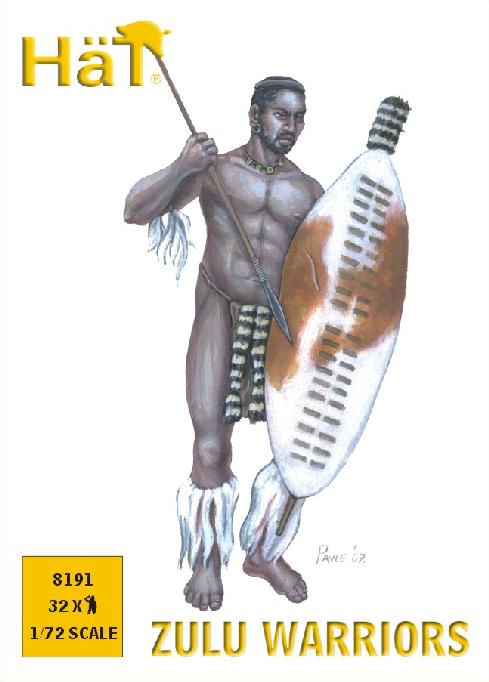
RE-RELEASED!!! Zulu Warriors The Zulu army of 1879 was one of the most formidable indigenous military forces that the British Empire encountered in the 19th century. Built upon the system created by Shaka earlier in the century, it was organized into age-based regiments or amabutho, each with its own identity, shield colours and traditions. Although often portrayed as a purely "tribal" force, the Zulu army was in fact a discip...
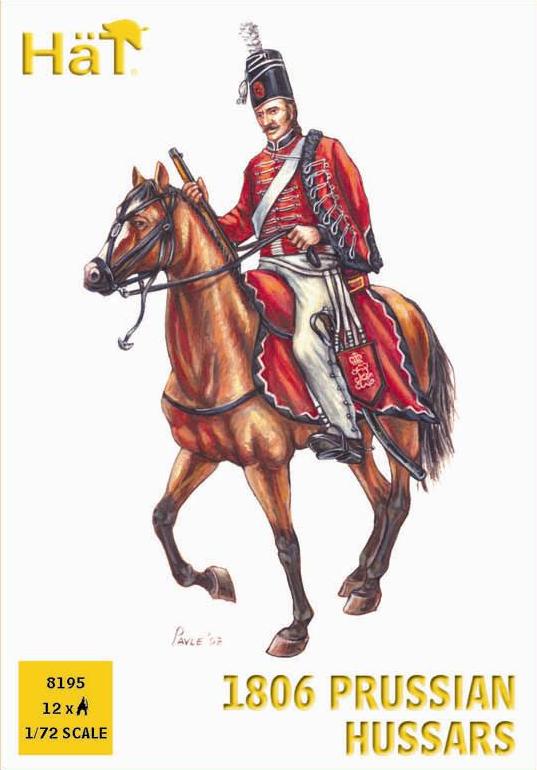
RE-RELEASED!!! Napoleonic 1806 Prussian Hussars. Prussian hussars were among the most colorful and mobile troops of the army that confronted Napoleon in 1806. Originally developed for scouting, raiding and other light cavalry duties, hussars had become an established part of the Prussian mounted arm and were expected to perform reconnaissance, screen the movement of armies, protect flanks and pursue a defeated enemy.
In 180...
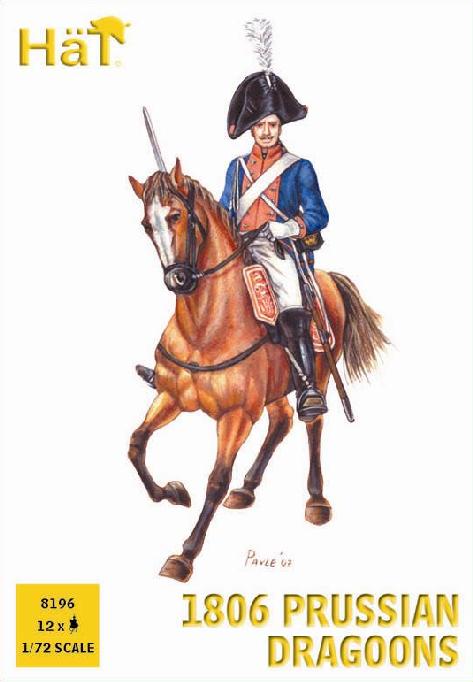
Napoleonic 1806 Prussian Dragoons. Prussian dragoons formed an important part of the cavalry arm that went to war against Napoleon in 1806. By this period dragoons had long since ceased to function primarily as mounted infantry and instead served as versatile battlefield cavalry, occupying a position between the lighter hussars and the heavier cuirassiers.
Prussian cavalry entered the campaign with a formidable reputation i...
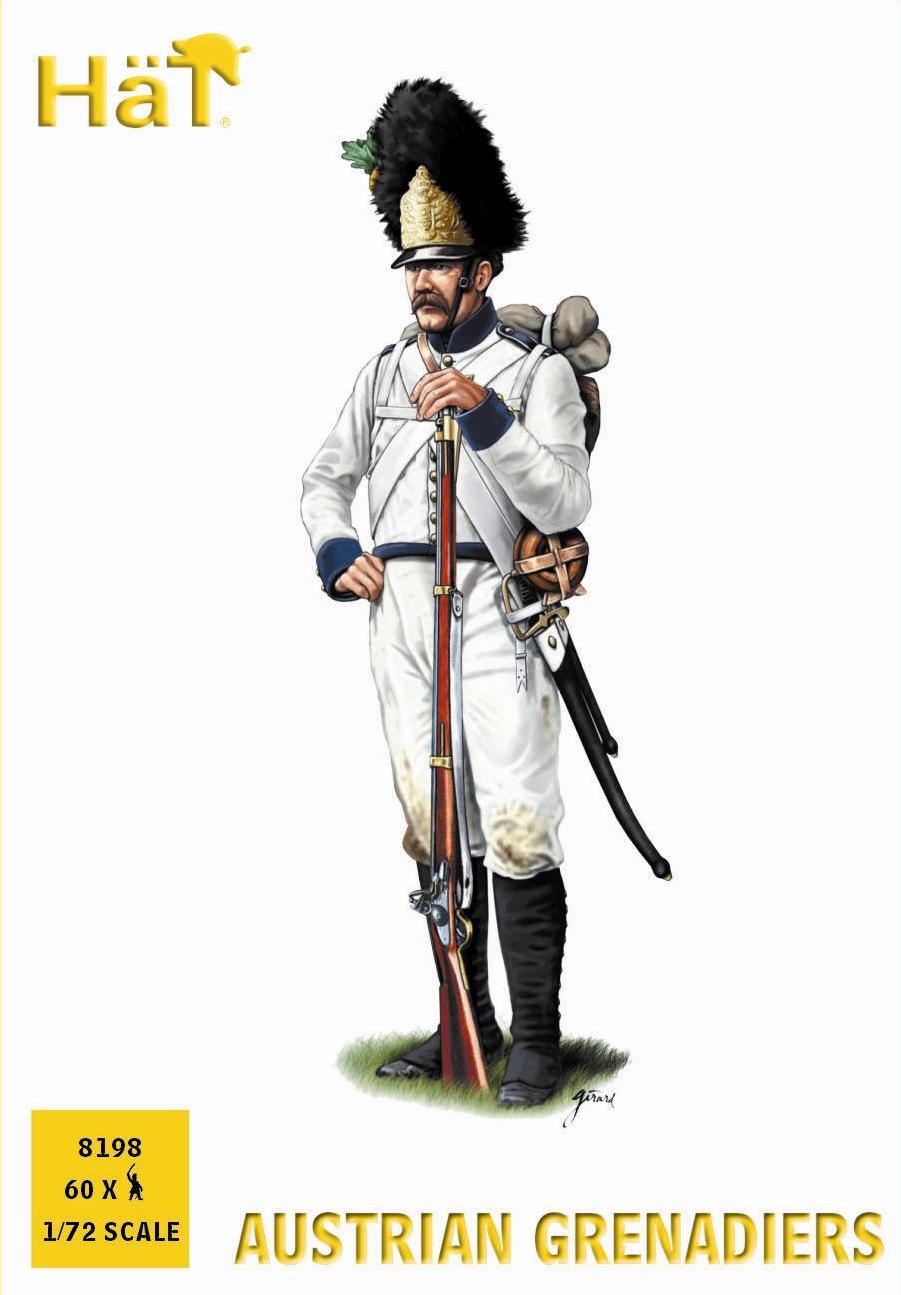
RE-RELEASED!!! Austrian Grenadiers. Austrian grenadiers were selected from the tallest and most experienced men of the line infantry. Each regiment normally maintained two grenadier companies, but on campaign these were often detached and combined with grenadiers from other regiments to form separate battalions. These imposing formations were regarded as elite troops and were frequently committed at important moments in battle...
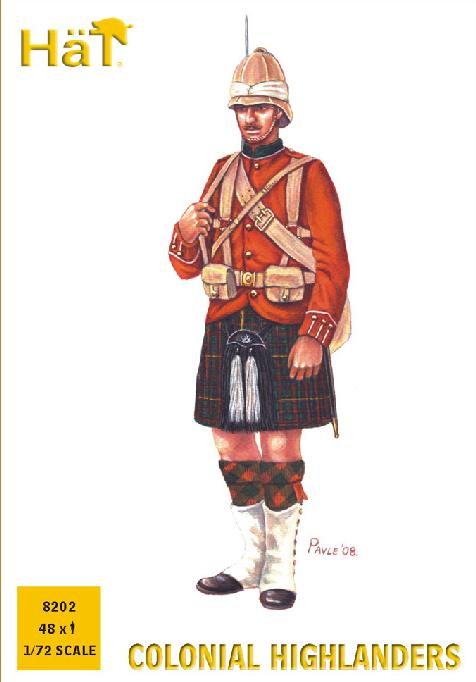
RE-RELEASED!!! Colonial Wars Highlanders x 48 figures per box. Highland regiments occupied a special place in the British Army. The first permanent Highland regiment was raised in the 18th century and later became famous as the Black Watch. Over the following two centuries, Highland soldiers served throughout the Empire and developed a reputation for discipline, endurance and aggressive battlefield spirit. Their kilts, tartans...
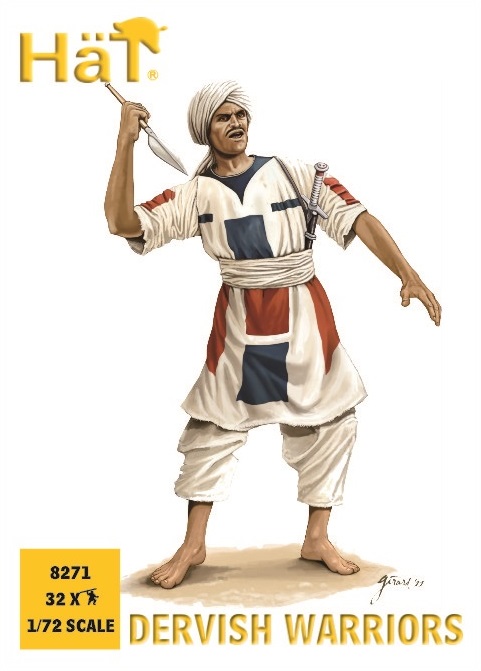
Dervish Warriors (Colonial). The warriors commonly called "Dervishes" by British and Egyptian troops were more properly the Ansar, the followers of Muhammad Ahmad, who proclaimed himself the Mahdi in 1881. Their uprising began as a revolt against Egyptian rule in the Sudan and rapidly grew into a powerful religious and political movement. Early Mahdist forces were drawn from many tribal groups and were far from uniform, but th...
RE-RELEASED!!! Napoleonic Spanish Light Infantry. Spanish light infantry, or Cazadores, formed an important part of the army that resisted Napoleon during the Peninsular War. When fighting began in Spain in 1808, the Spanish Army contained twelve light infantry regiments, each consisting of a single battalion. Their role was to skirmish ahead of the main infantry, occupy broken ground, screen troop movements and engage enemy l...
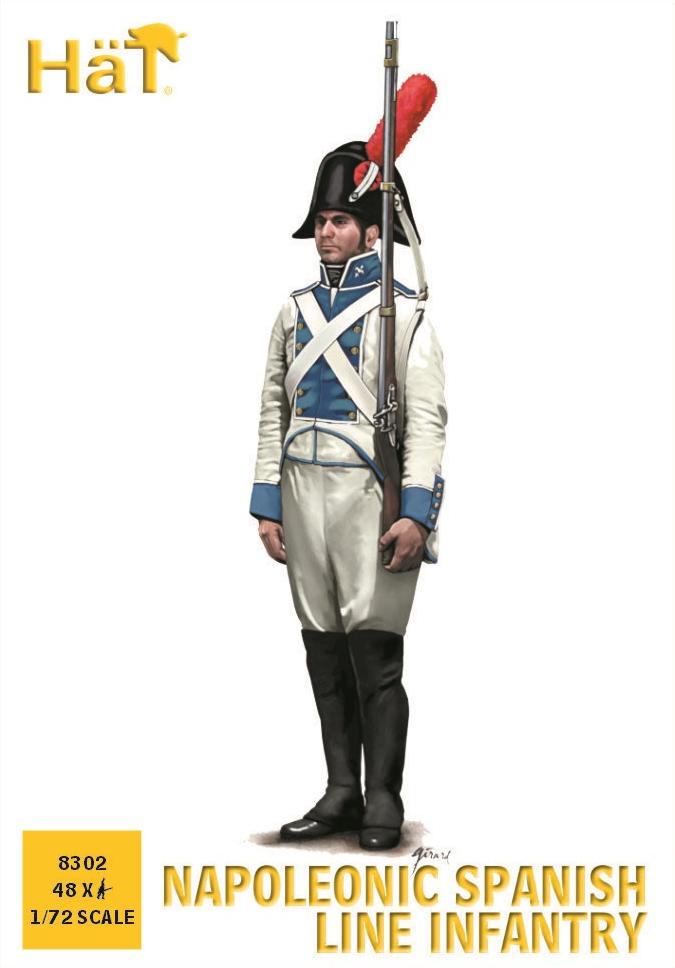
RE-RELEASED!!! Napoleonic Spanish Line Infantry. Spanish line infantry formed the main body of the army that resisted Napoleon during the Peninsular War. Although the popular image of the conflict often focuses on guerrillas, the regular Spanish Army fought continuously from 1808 onward and played a major part in the struggle against French occupation.
The ordinary infantrymen of the line were fusiliers. They made up the ma...




 Advanced Search