Cookies are small text files that are placed on your computer by
websites that you visit. They are widely used in order to make
websites work, or work more efficiently, as well as to provide
information to the owners of the site.
Here is a list of cookies this site uses:
Cookie name
Description
existing_user
Stores the email address used to previously log into the site, used to prefill forms like on the reset password screen
authchallenge
Authentication security checks
hcart
Stores the anonymous customer\'s cart token. If items are added to the card while not logged in, if you log in the items will be added to the customer\'s existing cart
hannants
Stores the session information while you remain on the site
pricer
Stores if the export or eu prices is selected on the catalogue page
hidefilter
Stores if the search filter panel is hidden or shown
AWSELB
Stores which server you\'re connected to so to access the same server while you navigate around the site
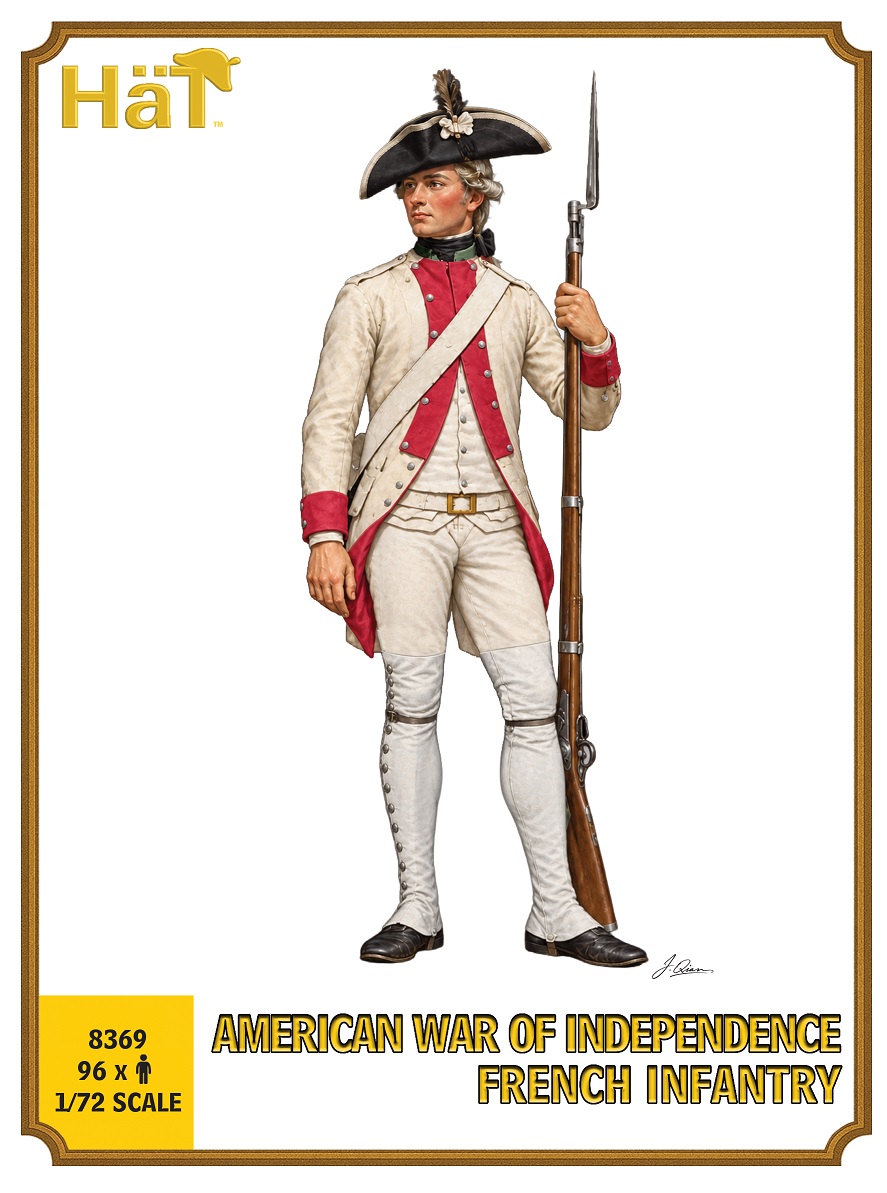
American War of Independence French Infantry. Most French line regiments wore white coats and waistcoats, with distinctive facing colors identifying individual regiments. The Royal Deux-Ponts, a German regiment in French service, was an important exception, wearing a blue coat with yellow facings. Cocked hats, white breeches and gaiters completed the characteristic appearance of the French infantry serving in America.
A Fre...
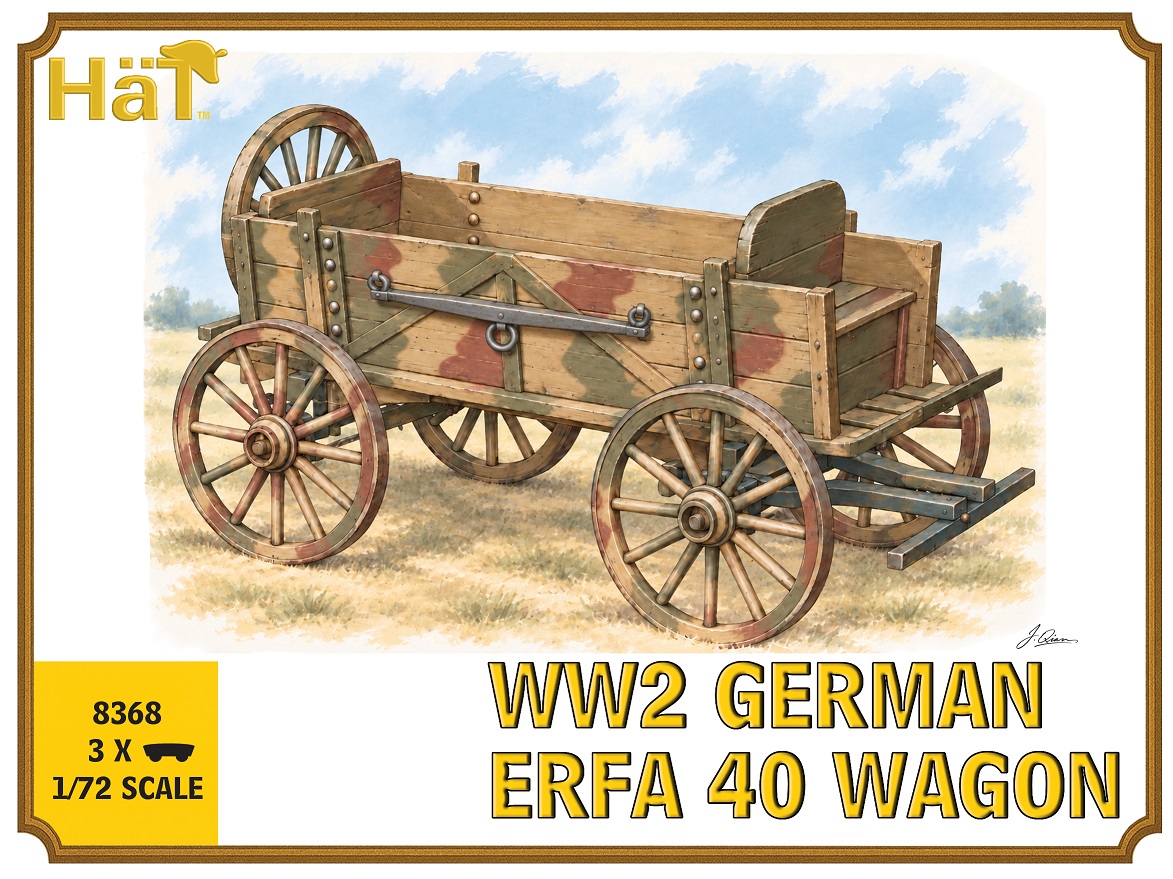
Erfa 40 German Horse Drawn Wagon. The ERFA 40 (Ersatzfeldwagen 40) was a simplified horse-drawn field wagon introduced by the German Army during WW2. Designed as an economical substitute for more complex military wagons, it could be manufactured quickly from wood and other readily available materials while still providing reliable transport for supplies, ammunition, equipment, and baggage.
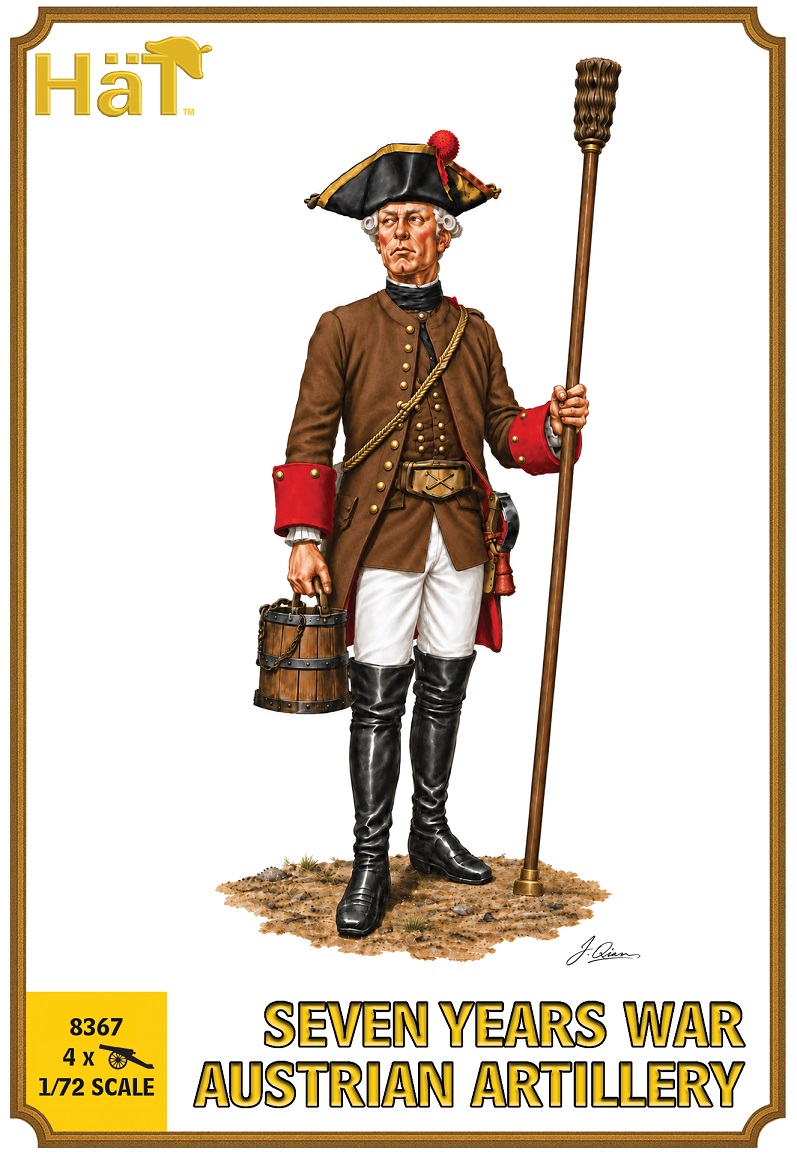
7YW Austrian Artillery. The artillery arm of the Habsburg Empire played a major role in Austria's long struggle against Frederick the Great during the Seven Years' War. Although initially overshadowed by the speed and discipline of the Prussian army, Austrian artillery steadily improved throughout the conflict and became one of the most effective branches of the Imperial forces. Austrian gunners supported the infantry and cava...
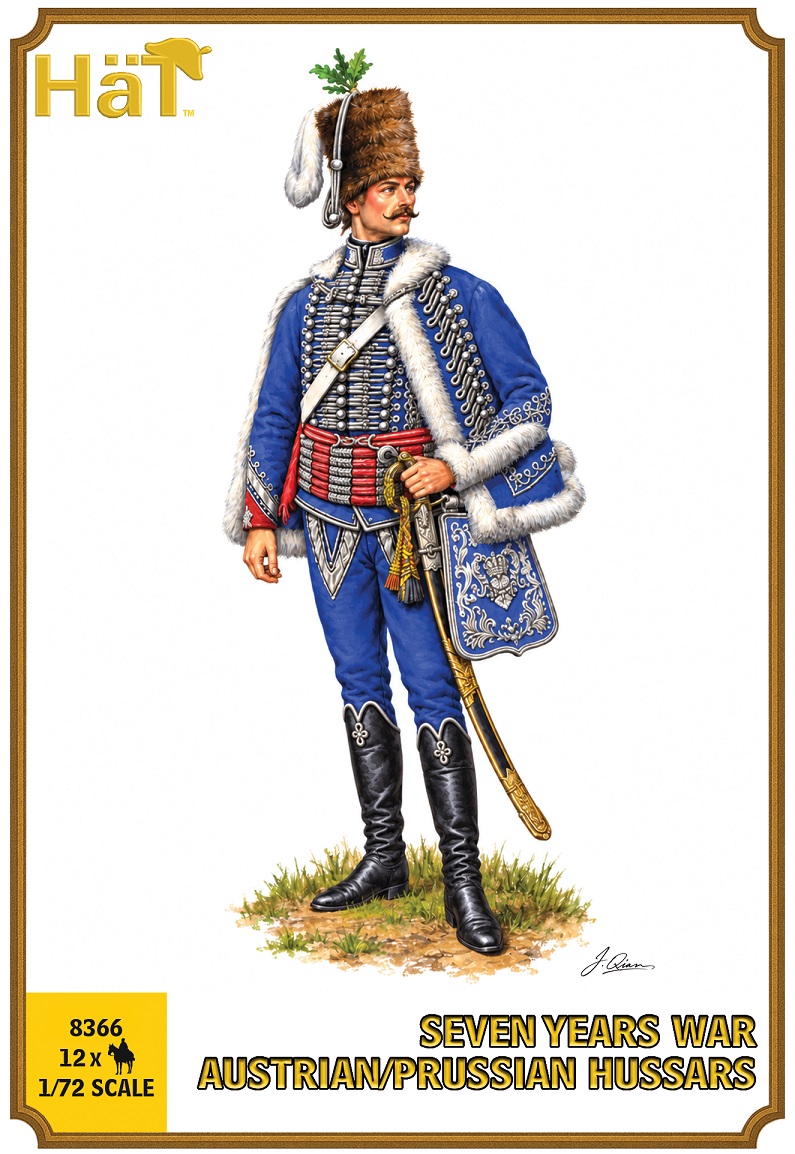
7YW Austrian/Prussian Hussars. The Hussars of the Seven Years' War were among the most colourful and effective light cavalry in Europe. Originally developed in Hungary, the hussar tradition was adopted by the armies of the Habsburg Empire and later copied by many other European powers, including Prussia. Fast moving, aggressive and highly skilled horsemen, hussars were used for scouting, raiding, screening army movements, purs...
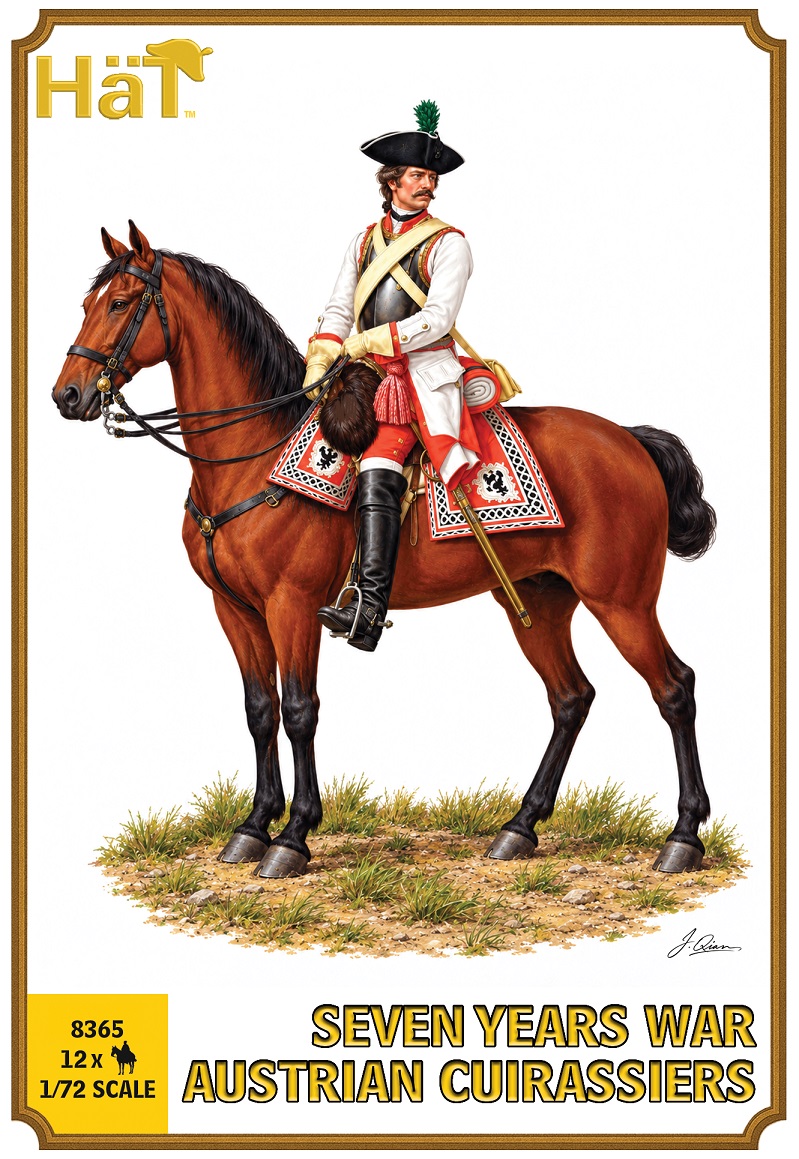
7YW Austrian Cuirassiers. The Austrian cuirassiers of the Seven Years' War were among the finest heavy cavalry in Europe. Clad in breastplates and mounted on powerful horses, they delivered devastating charges against the armies of Frederick the Great on battlefields across Central Europe. Though often overshadowed by the colourful Hungarian hussars, the cuirassiers formed the hard striking arm of the Habsburg cavalry and earn...
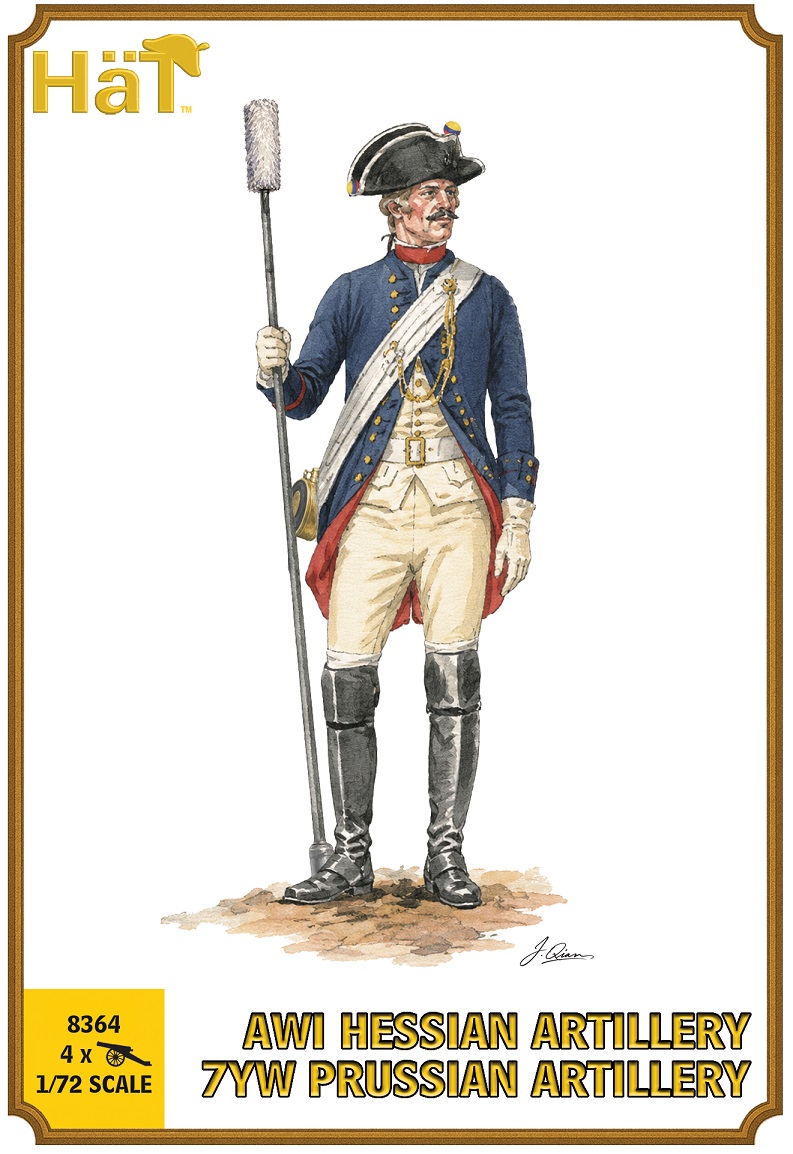
American War of Independence Hessian Artillery
During the American War of Independence, Hesse-Kassel supplied the largest contingent of German auxiliary troops serving with the British army in North America. These forces included artillery as well as infantry and cavalry, and Hessian gunners served in the same European artillery tradition that had been strongly influenced by Prussian practice during the eighteenth century.
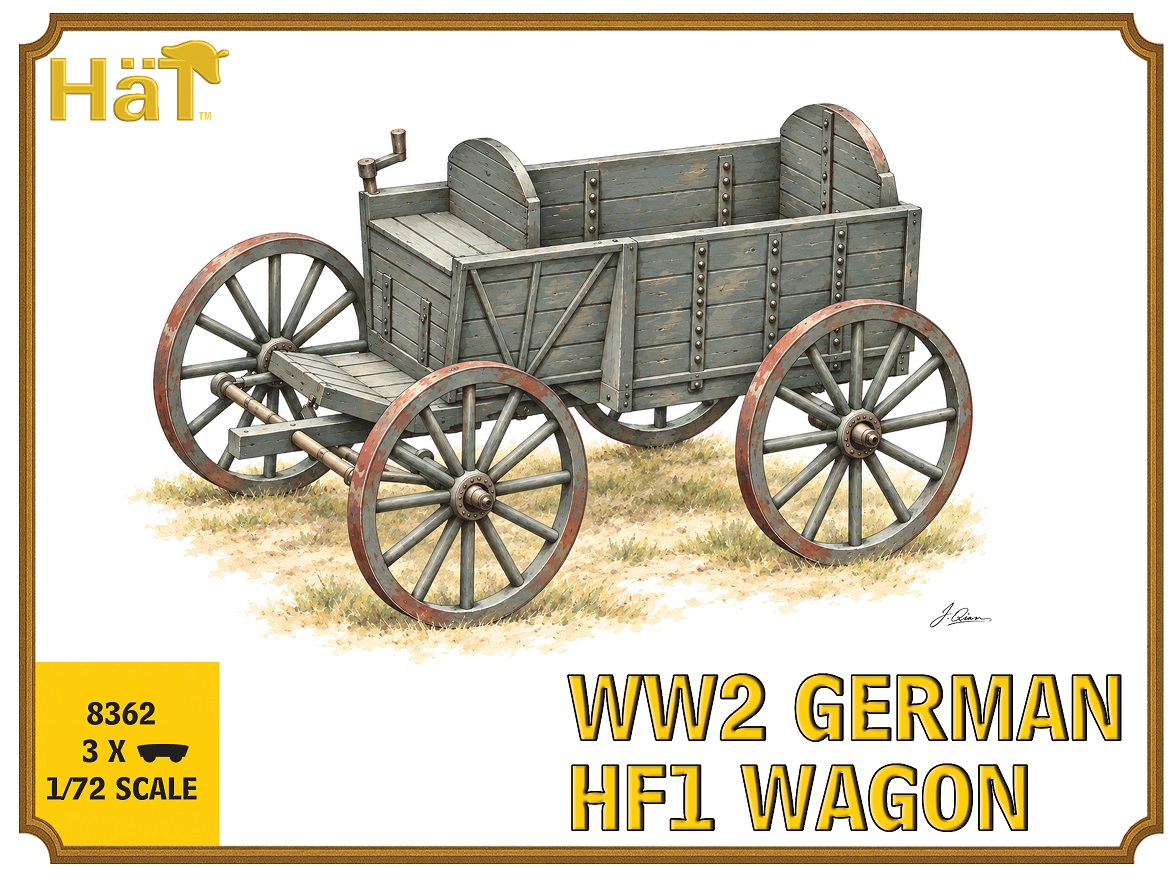
The Hf1 light field wagon, Heeresfahrzeug 1 or leichte Heeresfeldwagen, was one of the standard horse-drawn vehicles used by the German army throughout the Second World War. Designed as general-purpose transport almost 20 years earlier, it carried everything from ammunition and equipment to provisions and medical supplies. Drawn by a two-horse team, the Hf1 balanced capacity with mobility, making it well suited for a wide rang...
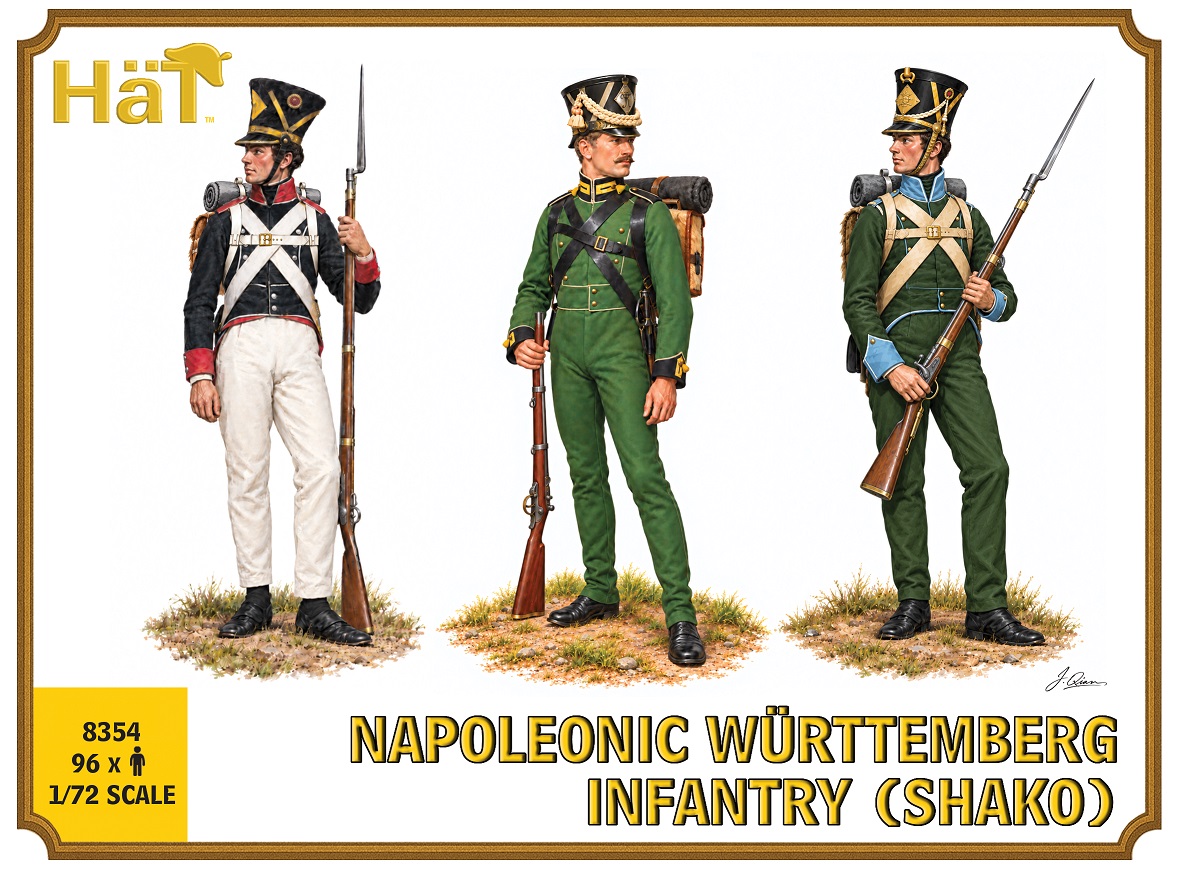
Napoleonic Wurttemberg Infantry (shako)
Wurttemberg was one of the German states whose army underwent extensive reform during the Napoleonic Wars. After joining the Confederation of the Rhine, the kingdom supplied substantial forces to Napoleon and fought in a number of the major campaigns of the period. By 1809 the Wurttemberg contingent included line infantry regiments, fusilier battalions, light infantry and dedicated foot...
Napoleonic Russian infantry Command A1045NR Stocks Russian Napoleonic Uniforms with the Kiwer Shako (from 1812 onwards)
The kiwer shako (sometimes spelled kiver) was introduced into the Imperial Russian Army around 1812, replacing the earlier bicorn and older styles of shakos. It became the iconic headgear of Russian infantry during the later Napoleonic Wars, notably from the 1812 Patriotic War through to 1814. Made popular ...
Napoleonic Russian infantry action A1045NR Stocks Russian Napoleonic Uniforms with the Kiwer Shako (from 1812 onwards)
The kiwer shako (sometimes spelled kiver) was introduced into the Imperial Russian Army around 1812, replacing the earlier bicorn and older styles of shakos. It became the iconic headgear of Russian infantry during the later Napoleonic Wars, notably from the 1812 Patriotic War through to 1814. Made popular b...
Napoleonic Russian infantry Marching A1045NR Stocks Russian Napoleonic Uniforms with the Kiwer Shako (from 1812 onwards)
The kiwer shako (sometimes spelled kiver) was introduced into the Imperial Russian Army around 1812, replacing the earlier bicorn and older styles of shakos. It became the iconic headgear of Russian infantry during the later Napoleonic Wars, notably from the 1812 Patriotic War through to 1814. Made popular...
NEW SET!!! Hessians American War Of Independence. Elite Mercenaries of the American Revolution
These figures represent the formidable Hessian troops - German auxiliaries hired by the British Crown during the American Revolutionary War. Renowned for their discipline, precision, and striking uniforms, Hessians played a key role in major battles such as White Plains and Fort Washington. Feared by many American colonists, their...
American War of Independence British Artillery. The Royal Regiment of Artillery was one of the British Army's permanent professional corps and served throughout the American War of Independence. In North America, rough roads, forests and broken terrain made heavy artillery difficult to move, so the relatively light and versatile 6-pounder became one of the most commonly used British field guns. Lighter pieces could also accomp...




 Advanced Search