Cookies are small text files that are placed on your computer by
websites that you visit. They are widely used in order to make
websites work, or work more efficiently, as well as to provide
information to the owners of the site.
Here is a list of cookies this site uses:
Cookie name
Description
existing_user
Stores the email address used to previously log into the site, used to prefill forms like on the reset password screen
authchallenge
Authentication security checks
hcart
Stores the anonymous customer\'s cart token. If items are added to the card while not logged in, if you log in the items will be added to the customer\'s existing cart
hannants
Stores the session information while you remain on the site
pricer
Stores if the export or eu prices is selected on the catalogue page
hidefilter
Stores if the search filter panel is hidden or shown
AWSELB
Stores which server you\'re connected to so to access the same server while you navigate around the site
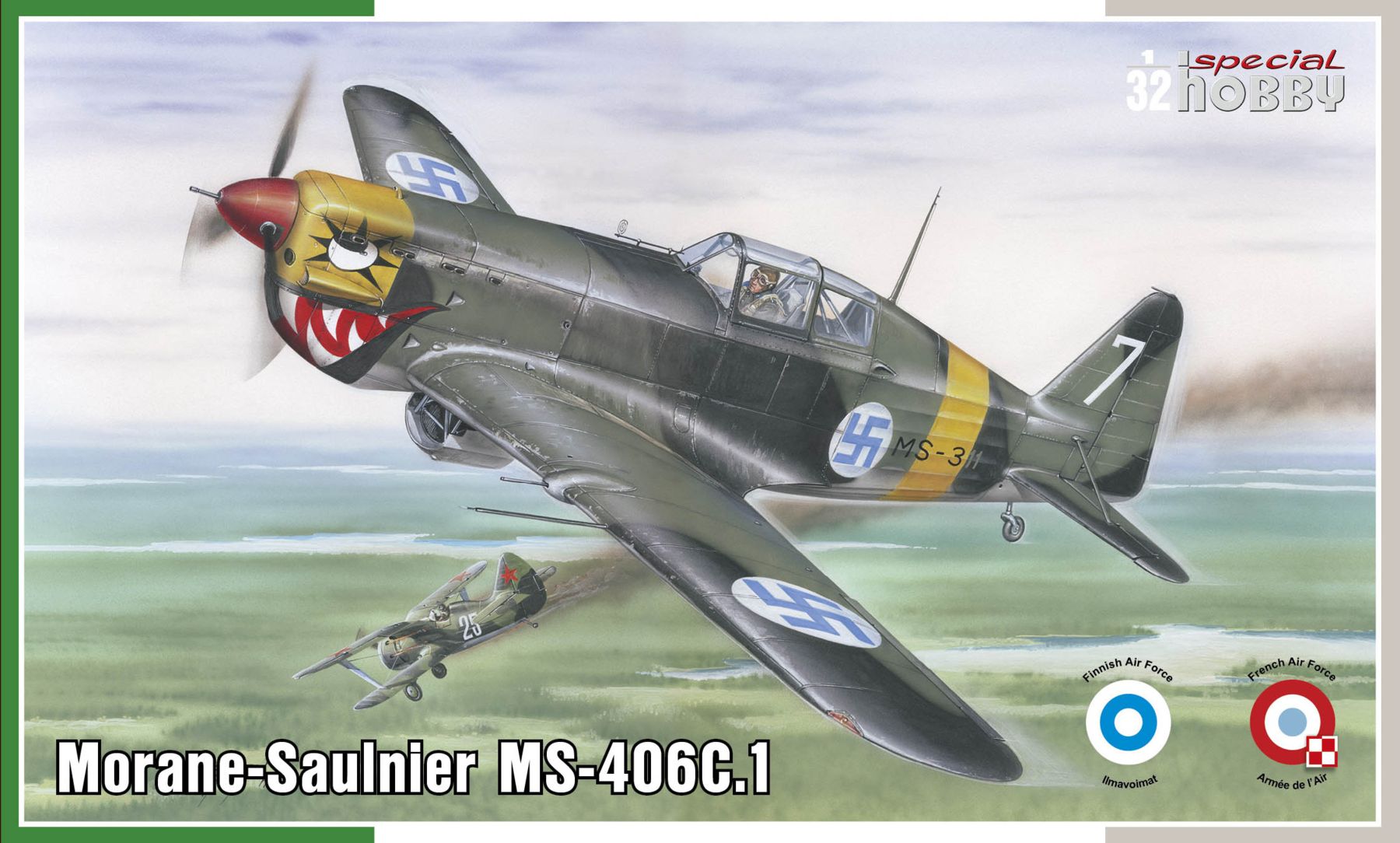
Morane-Saulnier MS.406C1 In 1934, the French Armee de l'Air announced a competition for a single-wing fighter with a speed of 450 km/h and armament of one to two 20 mm cannon. The winner of the competition was the Morane Saulnier MS-405C.1. Only 16 of this version were produced, and production switched to a modified version of the MS-406C.1. It was powered by an H-S 12Y.31 engine and was armed with a cannon firing through the ...
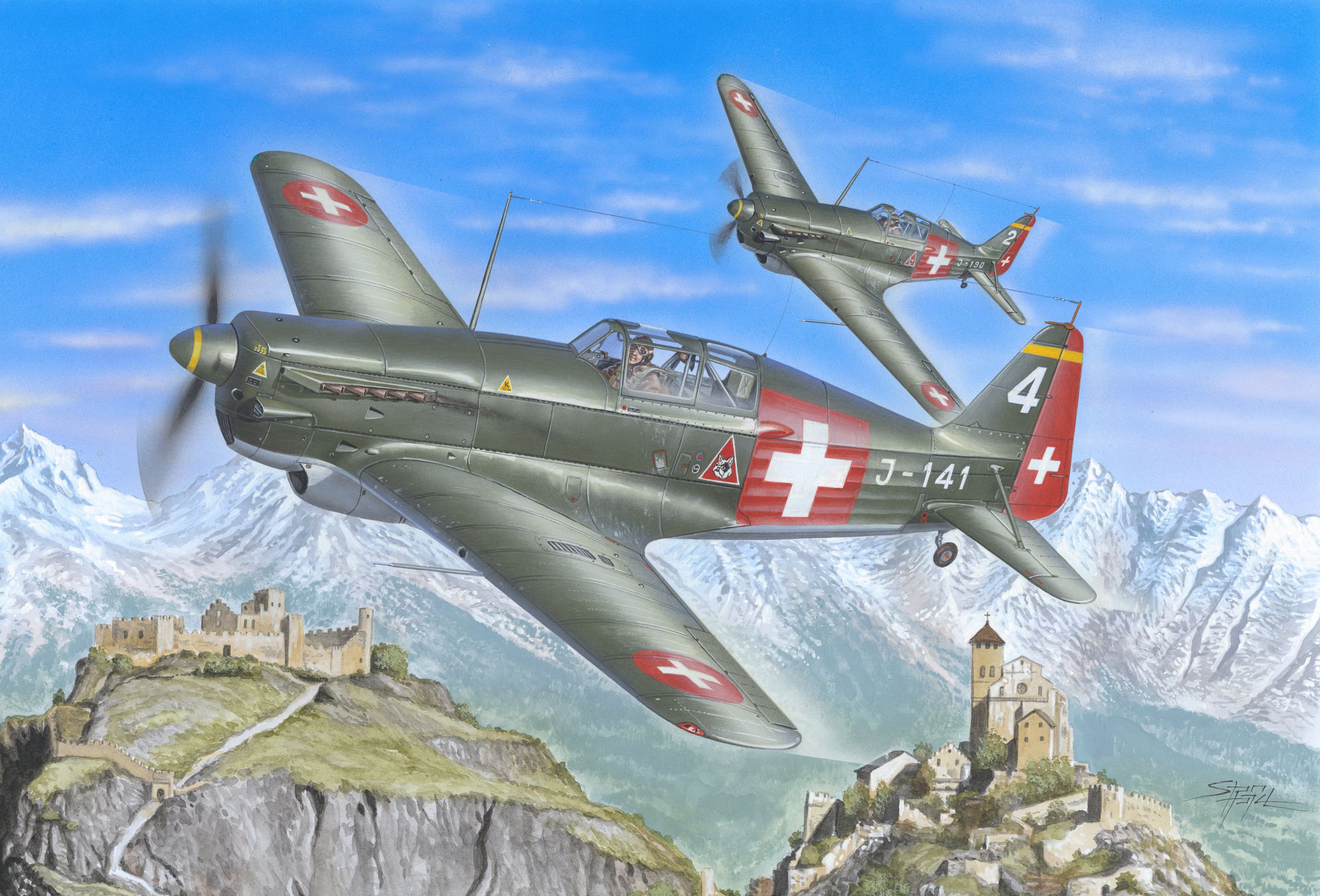
D-3801 'Guardians of Sion' (name changed from D-38AA 'Swiss Neutrality' Neutral Switzerland was rapidly purchasing aircraft on the eve of World War II to strengthen its defenses. The purchases were directed at future adversaries. It purchased Bf 109 versions B/C and E from Germany, and the Morane-Saulnier MS.406 from France. Switzerland also purchased a production license for the French fighter. Swiss production initially prod...
Fiat G.50-II in Finnish Service. Finland, like David against Goliath, threatened by Stalin Soviet Union, was purchasing available weapons all over Europe in the years 1938-39. Whole batch of Fiat G.50 fighters was bought in Italy. Despite some troubles with their delivery, the new Fiat fighters made it to Finland just in time to get involved in the Winter War and fought successfully as well as during the Continuation War. As t...
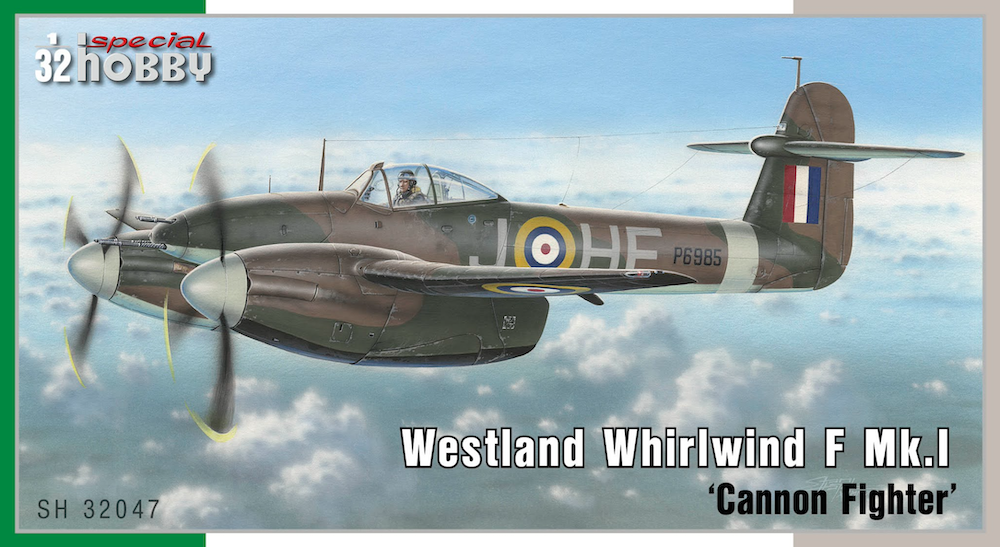
Westland Whirlwind Mk.I In the days leading to the outbreak of the Second World War, the British Air Ministry issued requirements calling for two types of a new fighter aircraft, a lighter one armed just with machine guns and the other one with heavier cannon armament. To this specifications, the Spitfire and Hurricane machine gun fighters were developed. The requirement for the heavier type led to the creation of the twin-eng...
Hawker Tempest Mk.VI During World War Two the opposing sides were constantly competing against each other to keep abreast of the latest technological developments and as a result this led to ever more powerful and effective warplanes. In 1941 the new German Fw-190 fighter aircraft began to enter service and as its main response the British hastily developed the Spitfire Mk.V into the Mk.IX with a better Merlin engine, although...
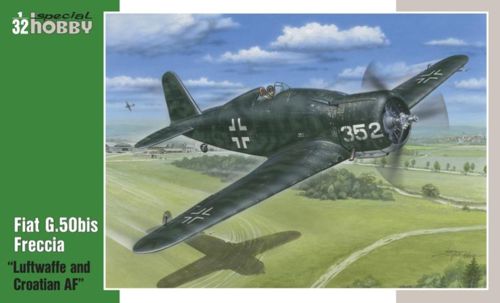
Fiat G.50bis "Luftwaffe and Croatian AF" During 1941 the Fiat G.50-II became outperformed by Allied fighter planes. The Regia Aeronautica also needed fighters capable of attacks against ground targets. Therefore, Fiat company
designed a new version, the Fiat
G.50bis with better performance and
capable of fighter-bomber missions.
The majority of produced machines
flew in Italian colours and some of
them were used by anoth...
Fieseler Fi-103/V-1 'Hi-Tech' version. Model of the German unmanned missile which was used in the offensive against the UK. Following the Allied invasion to France, the missiles were aimed at Antwerp, Liege and Brussels too and launched from land-based sites or from flying aircraft. The kit contains three grey styrene sprues, a decal sheet, photo-etched fret, superbly detailed resin cast parts of the pulse jet engine and full ...
Westland Whirlwind FB Mk.I 'Fighter-Bomber' Hi-Tech version.
Not long before the outbreak of WW2, the British Air Ministry issued a requirement calling for two types of fighter aircraft, one light weight with machine gun armament and the other one with heavy cannon armament. To these requirements, the machine gun armed Hurricanes and Spitfires were designed, while to fit the second category, the Westland offered their Whirlwi...
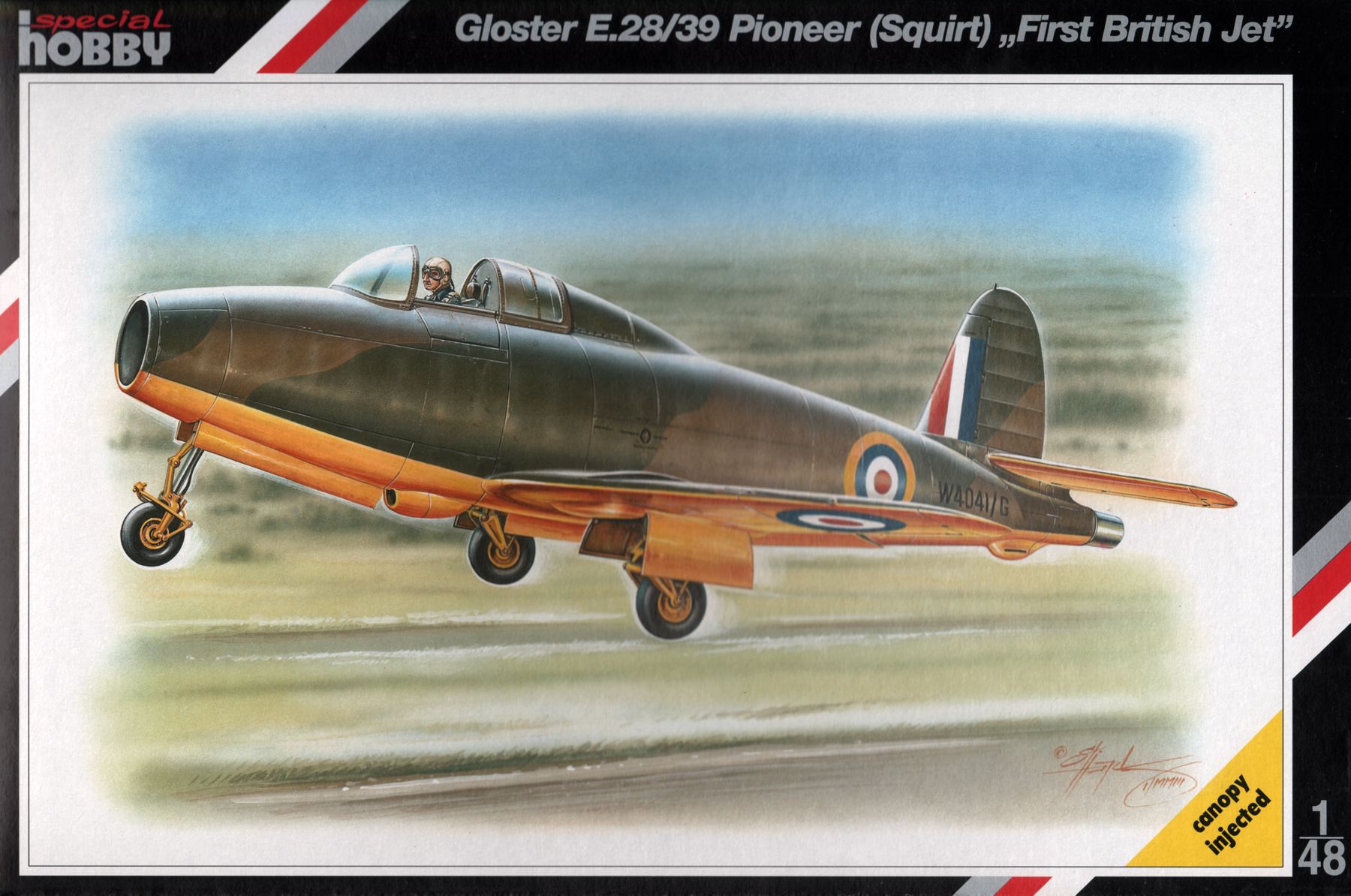
RE-RELEASED!!! Gloster E.28/39 Pioneer The first British jet. The first British jet aircraft and the third one in the world that succesfully took to the air was the Gloster E.28/39, called the Pioneer or Squirt. Its development was no doubt the result of the work on the first British jet engine by the designer Frank Whittle and his company Power Jets Ltd. Development of the Power Jets W.1 engine began already in the pre-war ye...
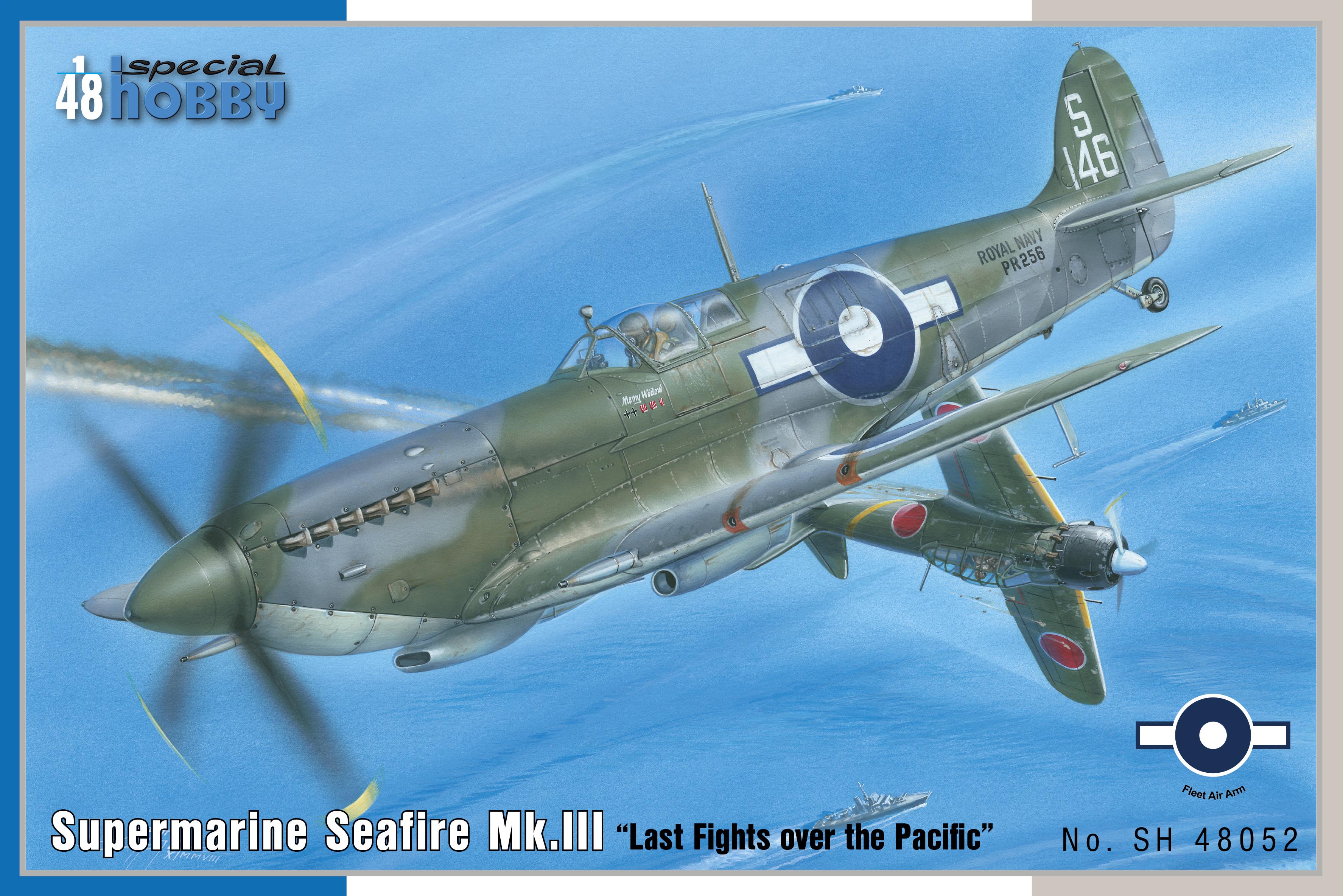
RE-RELEASED!!! Supermarine Seafire Mk.III The Seafire naval fighter aircraft came into existence during WWII as a mere stopgap measure based on a standard Mk.V Spitfire airframe adapted by adding naval equipment. Three versions were produced, which were fitted with a RR Merlin engine, which were the Mk.I to Mk.III, followed later by Griffon-equipped Seafires Mk.15, 17, 45, 46 and 47 (Special Hobby offers the Mk.15 version unde...
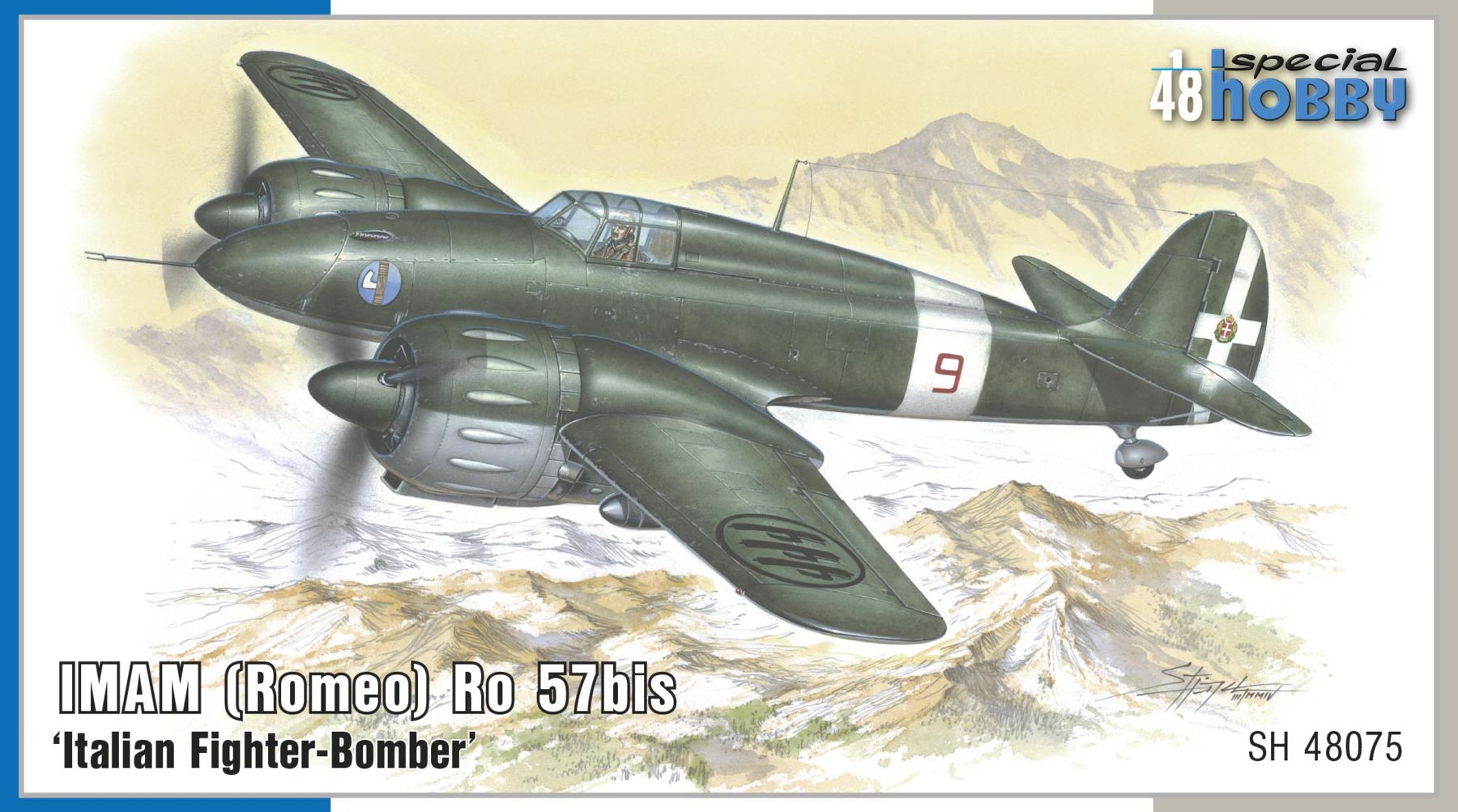
RE-RELEASED!!! I.M.A.M. (Romeo) Ro-57bis Italian Fighter Bomber The IMAM / Romeo Ro.57 powered with a pair of Fiat A 74 R.C.38 engines had been originally designed as an interceptor but following the initial flight tests it was decided to delegate it to the fighter-bomber role instead designated Ro.57bis. A total of 200 was ordered later to be cut down to only 90 airframes and eventually only 60 of them were produced. These we...
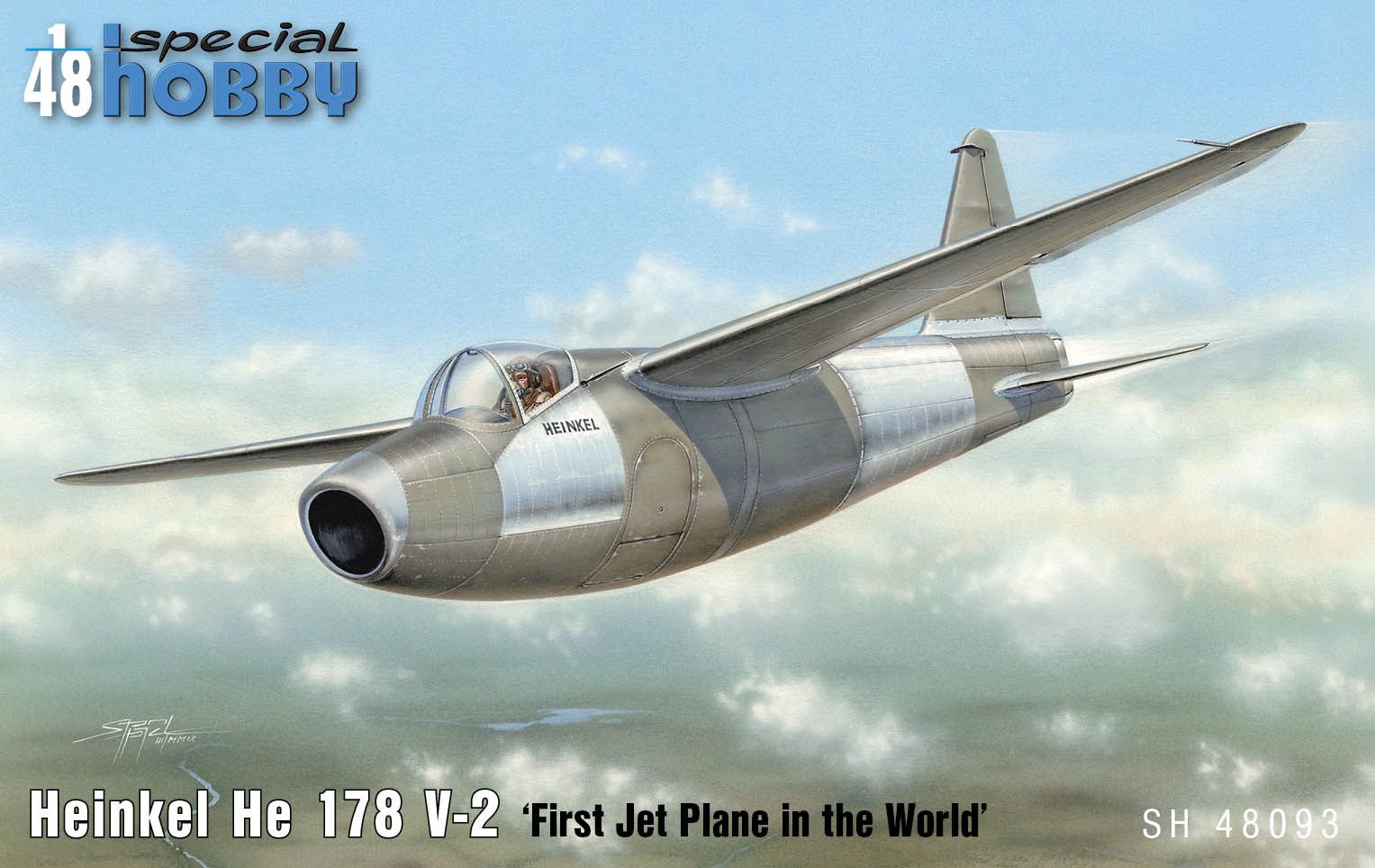
RE-RELEASED!!! Heinkel He-178V-2 The Heinkel He-178 with E. Warsitz at the controls hopped shortly above the runway for the first time on 24 August, 1939 and the real first flight took place only three days later. These were the very first flights of a jet aircraft in the world. On 1 November, while the test flights were being still in progress, the aircraft was displayed to RLM officials. Later on, the aircraft received more ...
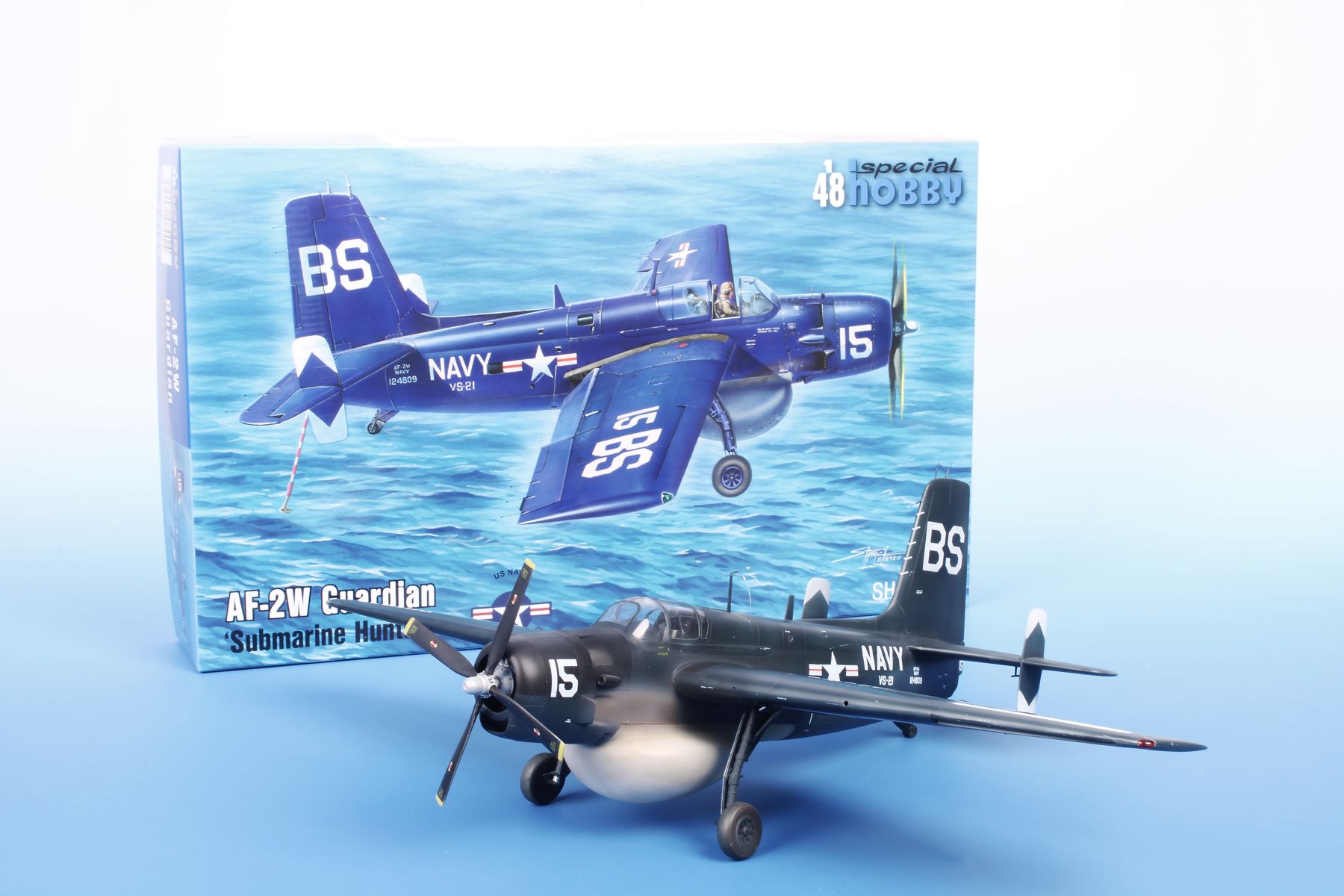
RE-RELEASED!!! Grumman AF-2W Guardian "Submarine Hunter'. Hunter version of the Guardian model consists of seven plastic sprues, clear injected parts, resin and PE-parts. The decals provide markings for two machines, the first serving aboard USS Bairoko, the other flew from USS Badoeng Strait. During the 1950s, AF-2 Guardian anti submarine aircraft were operating from the decks of U.S. Navy aircraft carriers in Hunter Killer p...
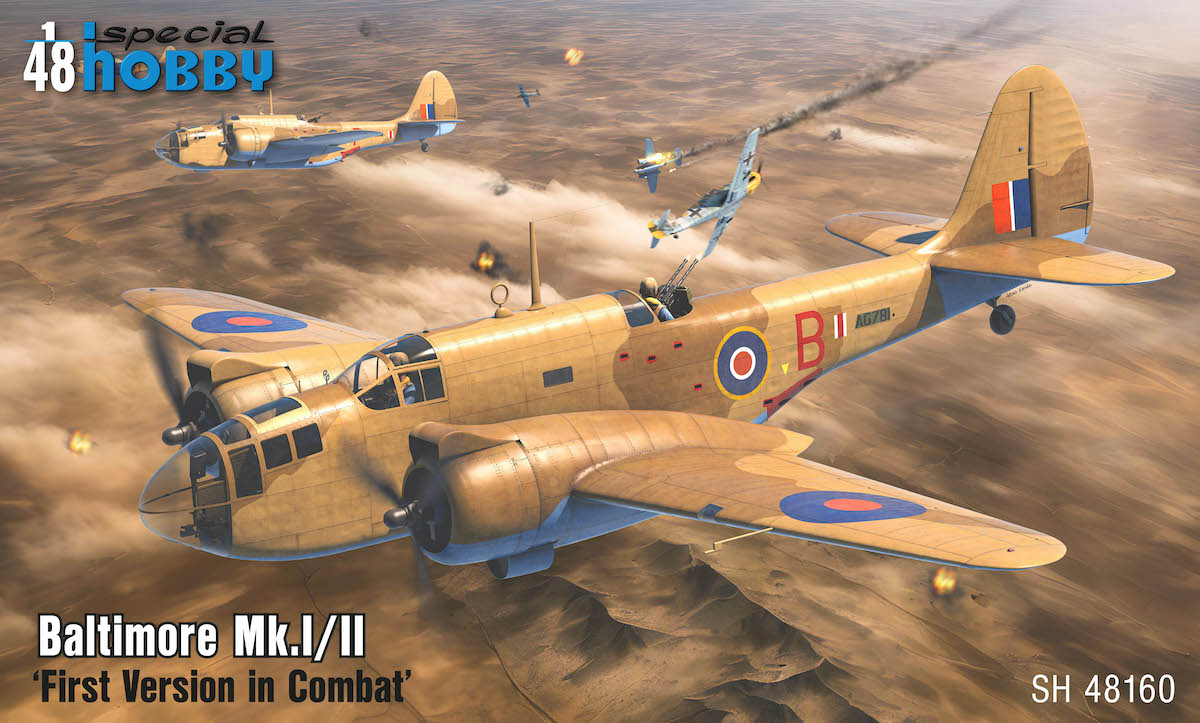
Martin Baltimore Mk.I/II 'First Version in Combat' Before the outbreak of World War II, the Martin company took part in a competition announced by the USAAF for a new modern attack aircraft. The competition was won by Douglas with its DB-7 (later A-20 Havoc/Boston) and North American with the NA-40 (developed into the B-25 Mitchell). Martin played the role of third in the rear. Although the USAAF was not interested in its 167/...
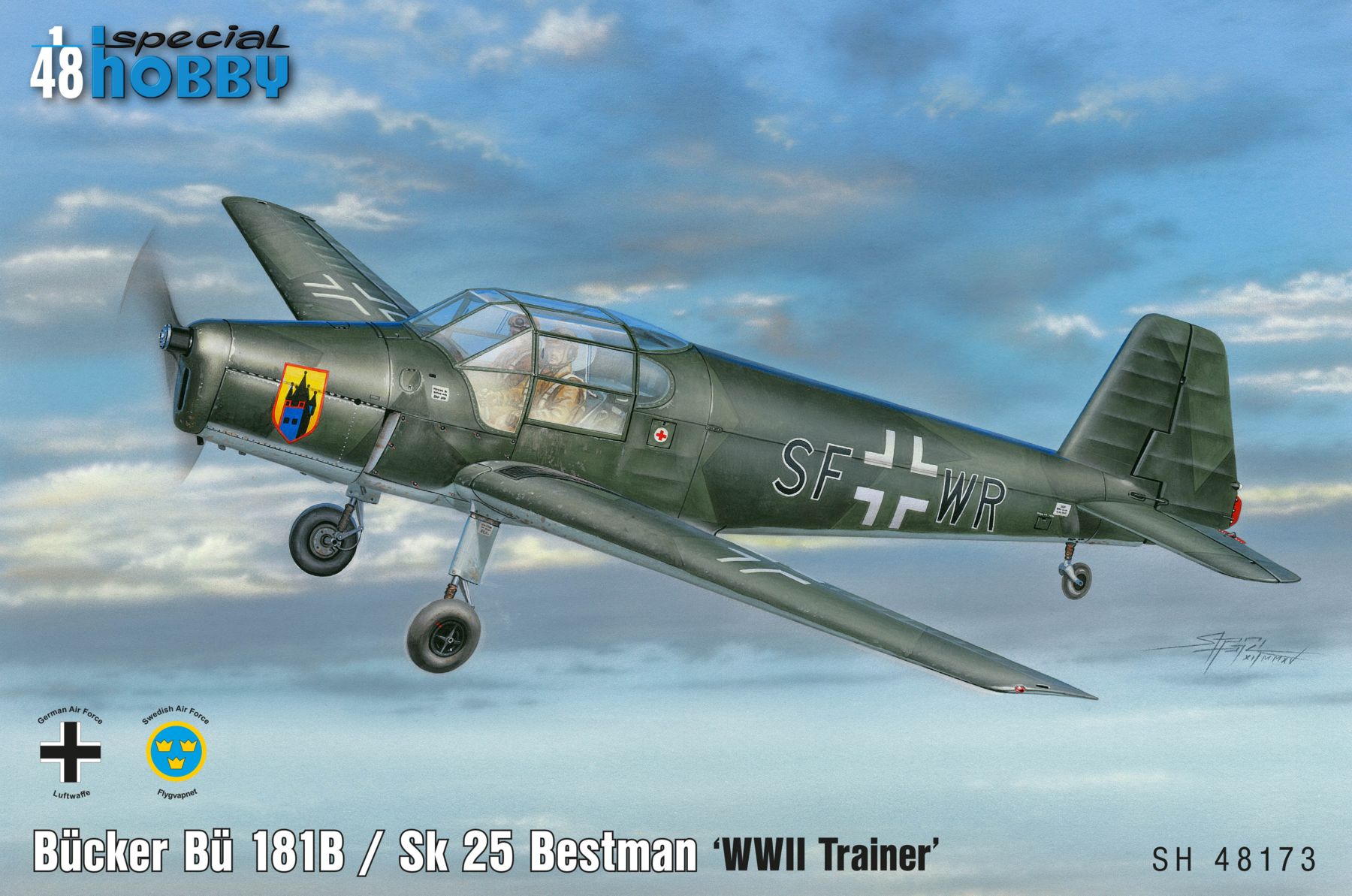
Bucker Bu-181B / Sk 25 Bestmann. The Bucker Bu 181 Bestmann was chosen in 1939 as the standard Luftwaffe trainer aircraft. It saw service as a trainer throughout the war and at its end the type also saw combat use as a light bomber or tank-busting aircraft. Due to this and also to Swedish license and post-war Czechoslovak and Egyptian production, the type achieved considerable expansion and fame. Most Buckers flew well into th...
IMAM (Romeo) Ro.37 "A30 engine" In the early 1930s, the Italian Regia Aeronautica operated IMAM Ro.1 (licence-built Fokker C.V) reconnaissance and observation biplanes. The military were quite happy with the type, however when IMAM offered a new biplane type designed by Giovanni Galasso, the decision was taken to acquire this new aircraft. Following the prototype's successful test flights, the production was commenced in 1934....
Grumman AF-3S Guardian During the 1950s, the AF-2 Guardian anti-submarine aircraft were operating from the U.S. Navy carriers in so-called Hunter-Killer pairs which consisted of one machine of the AF-2W version performing the Hunter role using its volumous, belly-mounted AP-20 search and early-warning radar to locate enemy's submarines while the other member of the team was an AF-2S which was the Killer, carrying a variety of ...
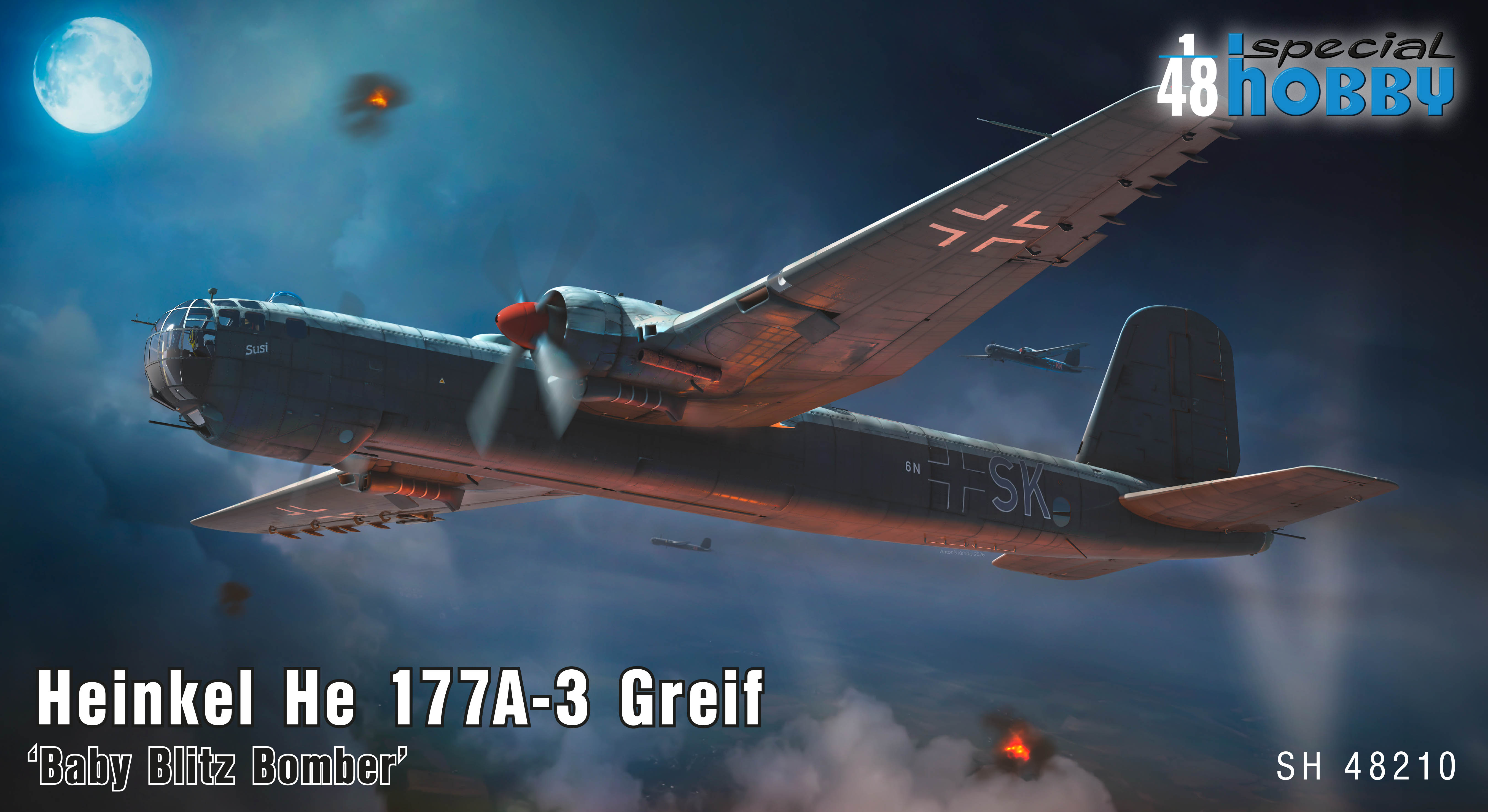
Heinkel He-177A-3 'Greif' The Heinkel He 177 Greif was the only German four-engine bomber deployed in larger numbers during World War II. Its operational use was not entirely successful, but the Heinkel He 177 is still an iconic aircraft. Its concept is unique. In each wing, two engines were placed side by side with a drive to a common gearbox. This turned a four-bladed propeller. The bomber thus looked like having only a pair...
Siebel Si-204E 'German Night Bomber & Trainer' The Siebel Si 204A and Si 204D were the transport and trainer versions of the twin engined aeroplane originally built to be operated by the Lufthansa as well as (and mainly) by the Luftwaffe. In the war years, a trainer bomber version was built and later used in the night bombing role. This type was designated the Si 204E and a pair of prototypes and a small batch of Si 204E-0 pro...
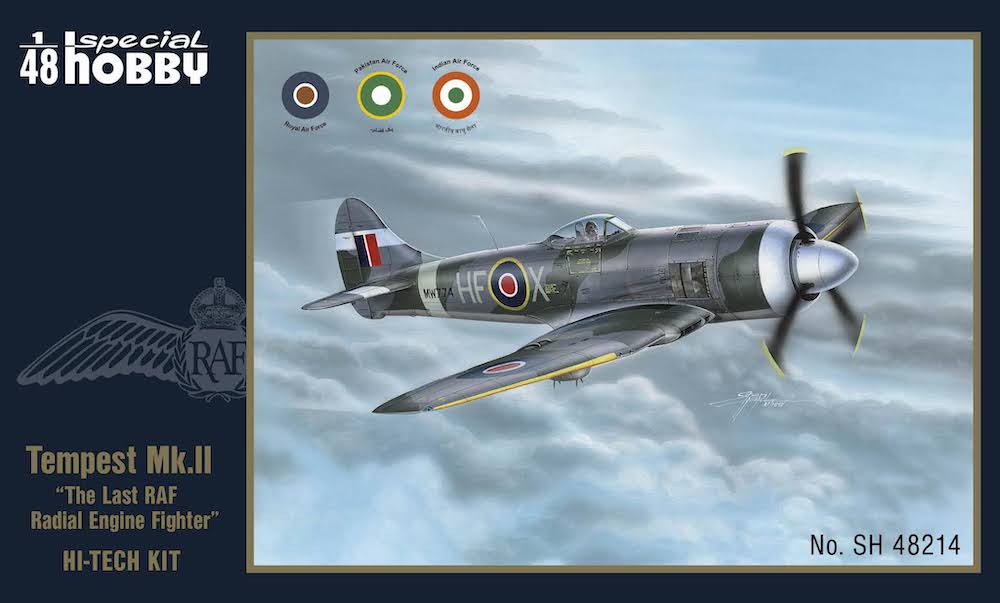
Hawker Tempest Mk.II 'Hi-Tech' (prepared with Eduard) The Tempest Mk.II was the last radial engine fighter aeroplane to introduced to service with the RAF. The type had been developed for the planned atack against Japan in the closing stages of the war. But using the atomic bombs by the Americans meant an end to those plans and the Tempest Mk.II was deployed in a couple of post-war era conflicts instead. Bearing RAF colours, i...
Saab AJ-37 Viggen The Saab 37 Viggen was an aircraft well ahead of its time. Unorthodox solutions chosen by its designers not only enabled the type to meet all the requirements, but to even surpass them in a couple of respects. The Swedish military ordered the jet in several various versions which all would share a common platform, which joined only by some special equipment would permit the operation in several various roles....
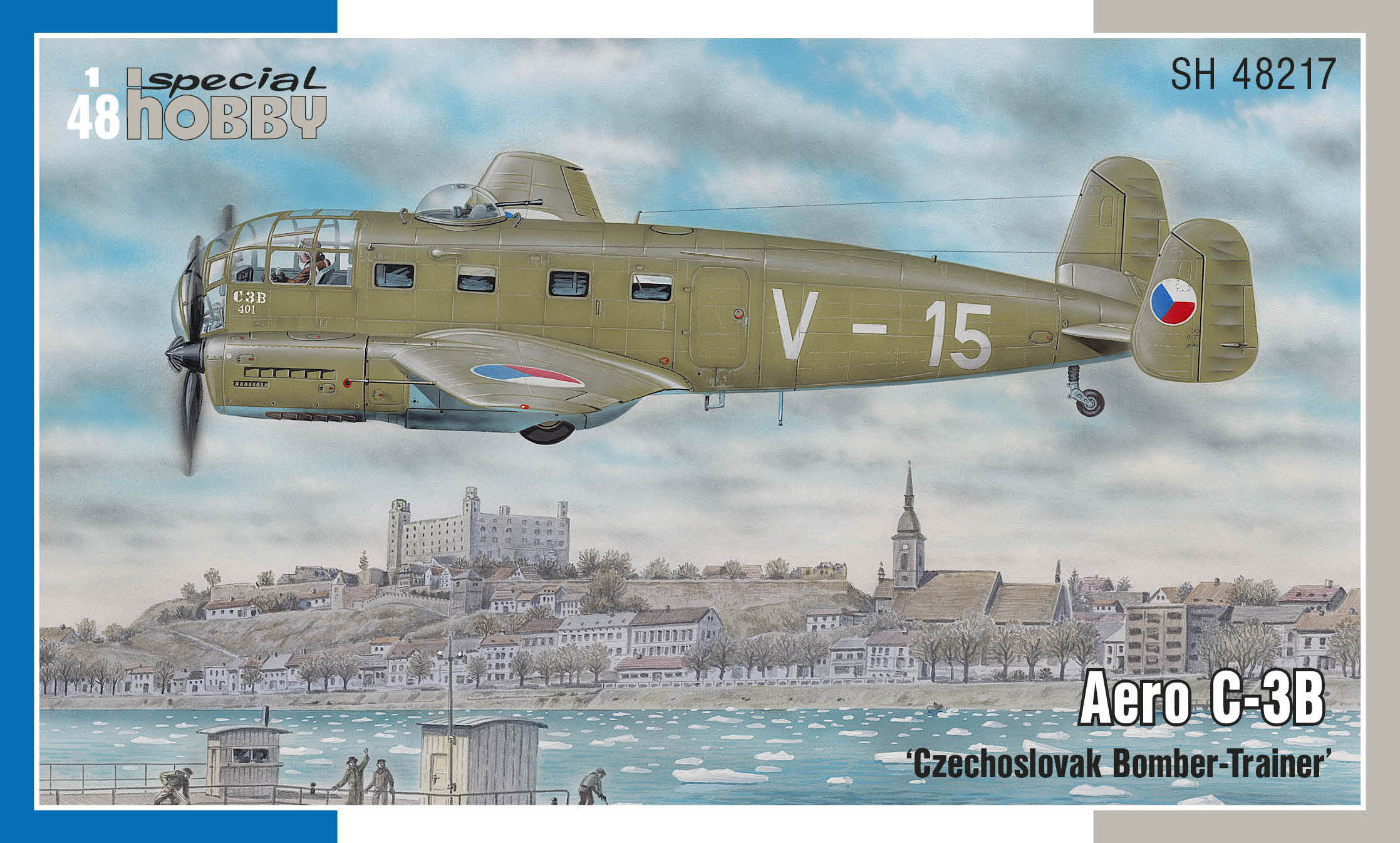
Aero C-3B 'Czechoslovak Bomber-Trainer' WAS £49.50. TEMPORARILY SAVE 1/3RD!!! T The Siebel Si 204A and Si 204D were the transport training versions of the twin-engined aircraft designed and built for the Lufthansa and, mainly, for the Luftwaffe. A bomber trainer version was also built during the war which was capable of taking night bombing missions, too. Known as the Si 204E, two prototype machines were built and a small batc...
Bugatti 100 Racer In the pre-war years, Ettore Bugatti, a very well known racing car designer, took the opportunity and decided to turn his attention to aviation too and come with a concept of a racing aeroplane which was to win the then rather popular Deutsch de la Muerthe races. At first, the plane was to be fitted with just one engine, this was later reconsidered and two powerplants were used, placed asymmetricaly in the sl...
Piper J-3 Cub The light and cheap J-3 Cub aeroplanes were behind the development of the civil aviation in the USA in the late 1930s. With the end of the world crisis the interest in aviation increased and the J-3 was an ideal type for the basic training and tourist flying. With WW2 coming, the J-3 came into the sights of the military and the USAAF decided to test the type in the artillery spotting and short range recon roles. ...
Piper L-4 Cub in 'Post War Service' Quite soon it became clear to the US military, as well as the British RAF, that the rather large and complicated types such as the O-47 or Lysander which had been designed in the pre-war days for army co-operation, close support, artillery observation and liaison roles were in fact ill-suited for the real operations. Lighter types with the ability of very short take offs and landings proved ...




 Advanced Search