Cookies are small text files that are placed on your computer by
websites that you visit. They are widely used in order to make
websites work, or work more efficiently, as well as to provide
information to the owners of the site.
Here is a list of cookies this site uses:
Cookie name
Description
existing_user
Stores the email address used to previously log into the site, used to prefill forms like on the reset password screen
authchallenge
Authentication security checks
hcart
Stores the anonymous customer\'s cart token. If items are added to the card while not logged in, if you log in the items will be added to the customer\'s existing cart
hannants
Stores the session information while you remain on the site
pricer
Stores if the export or eu prices is selected on the catalogue page
hidefilter
Stores if the search filter panel is hidden or shown
AWSELB
Stores which server you\'re connected to so to access the same server while you navigate around the site
Bristol M.1C "Checkers & Stripes" Kit contains the same plastic parts as Bristol M.1C "Wartime Colours" but offers different decals, this time for three trainers. What they lack on the combat fame thay catch up with attractive camouflages. You can choose from checkers or stripes; if this is still not your cup of coffee you can pick a machine with a fancy dragon art painting. One of the machines is presented in two different ap...
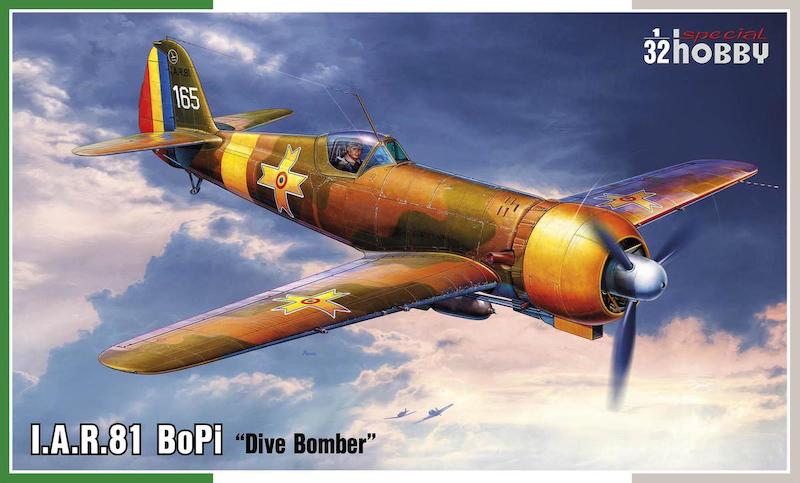
I.A.R. IAR-81 BoPi In the late 1930s, the Polish PZL P.11 and P.24 all-metal, high wing fighter planes were produced under licence by I.A.R., Industria Aeronautica Romana. As it was quite clear that such type of design was nearing obsolescence and the future belonged to low wing fighters with retractable undercarriage and enclosed canopy, a design team led by Ion Grosu was formed with the aim to project a modern warplane of su...
Westland Whirlwind FB Mk.I 'Fighter-Bomber' Hi-Tech version.
Not long before the outbreak of WW2, the British Air Ministry issued a requirement calling for two types of fighter aircraft, one light weight with machine gun armament and the other one with heavy cannon armament. To these requirements, the machine gun armed Hurricanes and Spitfires were designed, while to fit the second category, the Westland offered their Whirlwi...
Supermarine Spitfire Mk.XII The Supermarine Spitfire Mk.XII was a less widespread version of this famous fighter mainly due to the low amount of aircraft produced. Nevertheless, for the Supermarine Spitfire development it is one of the most important versions. It was the first Griffon powered production version. The production had started in October 1942 when some of the Supermarine Spitfire Mk.IX (originally Mk.V) and Mk.VIII...
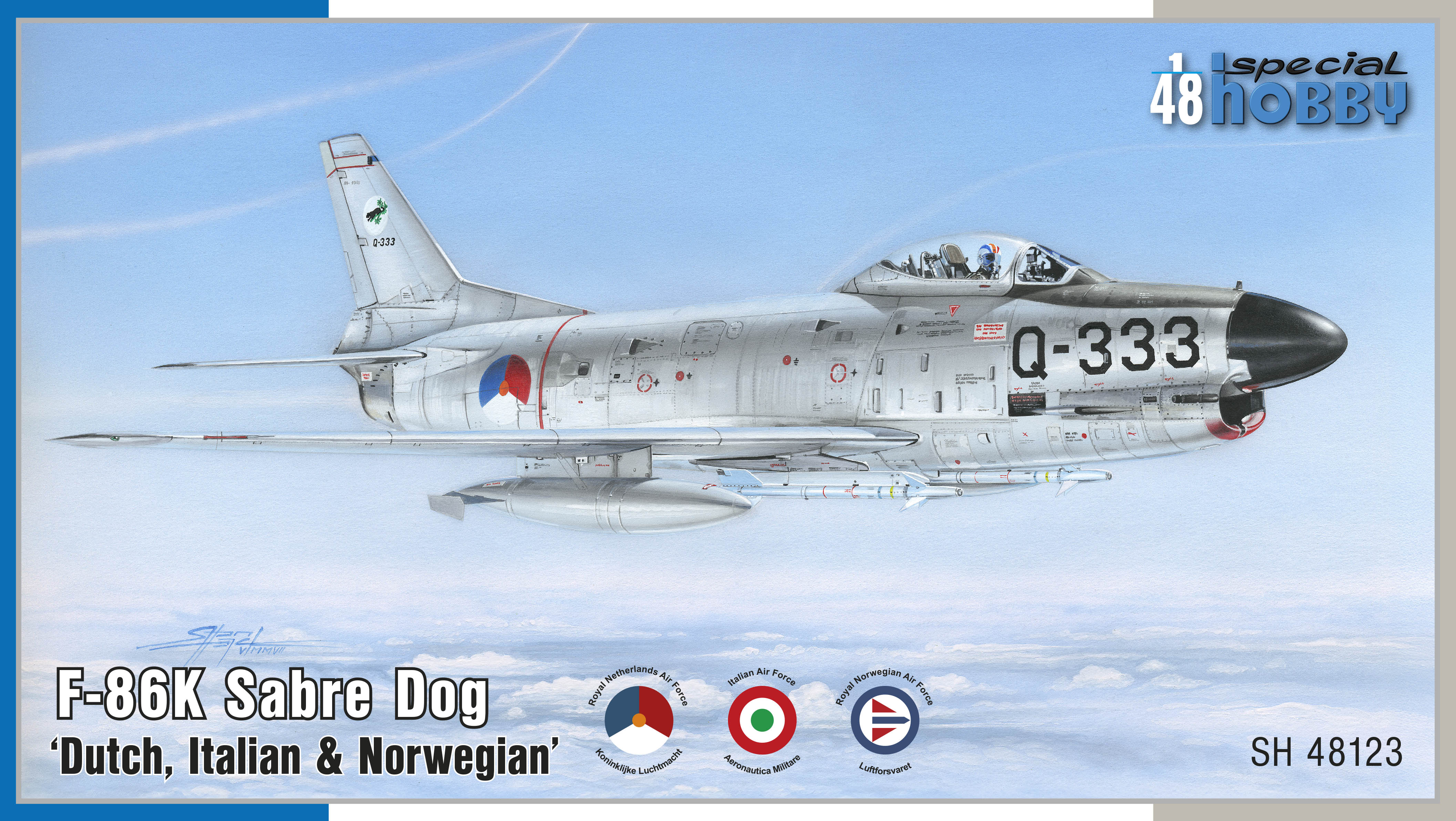
RE-RELEASED!!! North-American F-86K Sabre 'NATO ALL Weather Fighter' There are three main sprues of grey plastic in this model plus a frame of clear parts, resin parts and a set of photo-etched parts. The decal sheet contains markings for three natural-metal machines, the Italian and Dutch ones have squadron badges on their tails. Most colourful is the Norwegian plane, adorned with a shark mouth and a sketch of a dog named Lai...
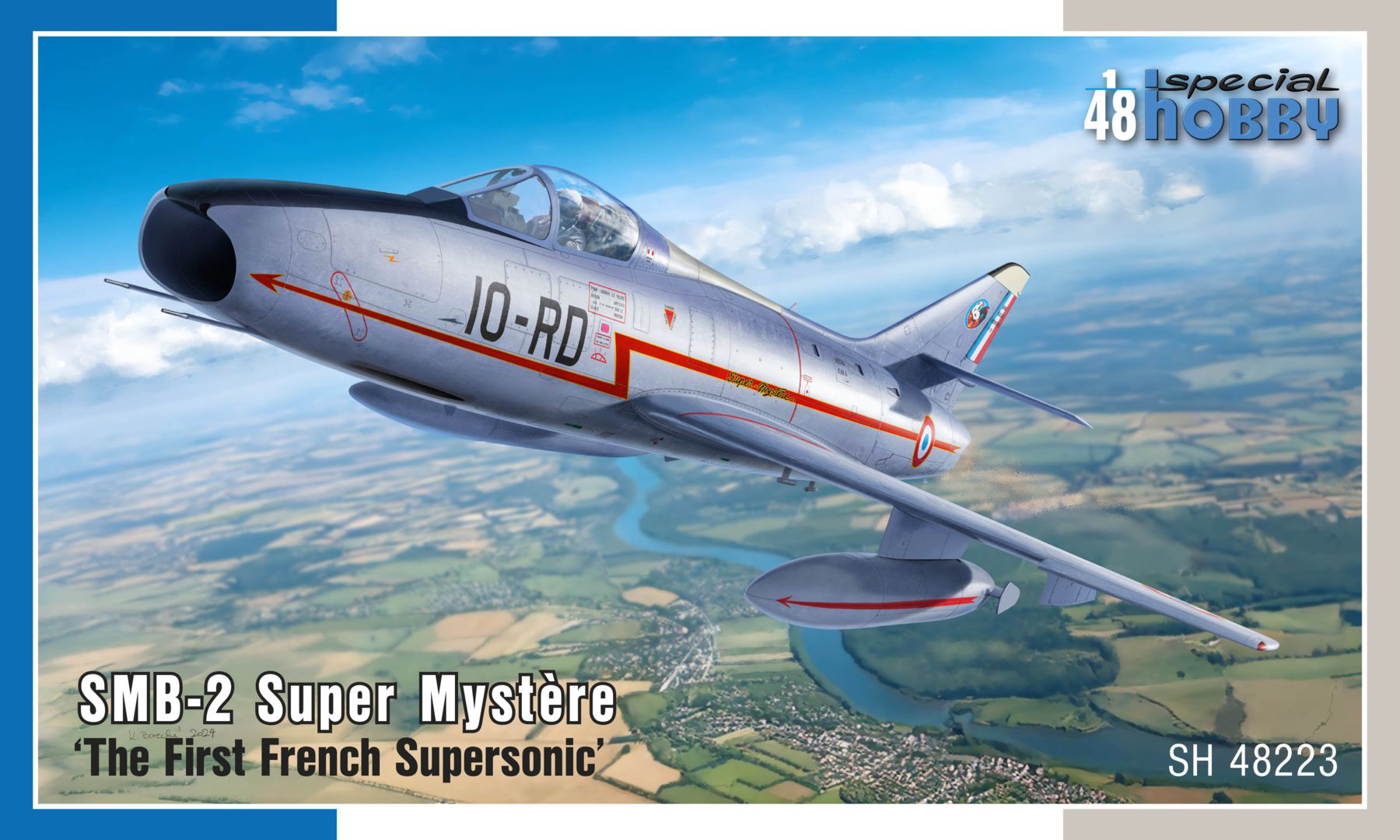
Dassault SMB-2 Super Mystere Model of a French jet fighter. The model is moulded using metal type tools, contains 8 sprues of plastic parts (two are duplicates) and a sprue with clear parts. The SMB-2 Super Mystere was the first mass-produced Western European aircraft to exceed the speed of sound in level flight. In its development, Dassault built on its previous mass-produced fighter types as were the Ouragan and Mystere IVB ...
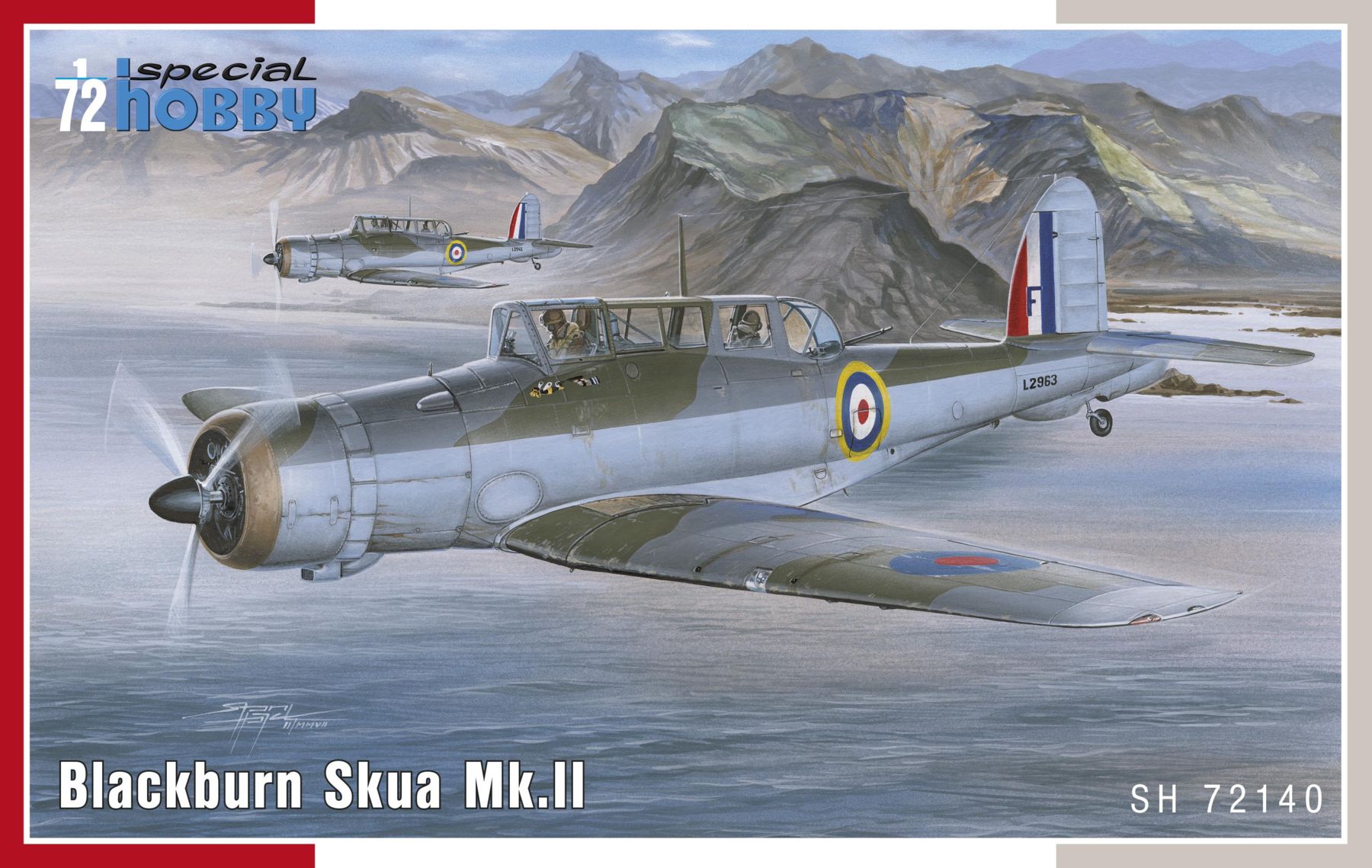
RE-RELEASED!!! Blackburn Skua Mk.II In 1934, the Air Ministry issued specifications O.27/34. They contained requirements for a multi-role aircraft for shipboard service. The aircraft was to be operated as a fighter as well as a dive bomber. A fighter for aircraft carriers in the British concept of the time was a two-seater aircraft designed for long operational flights and combat with enemy reconnaissance aircraft. Combat agai...
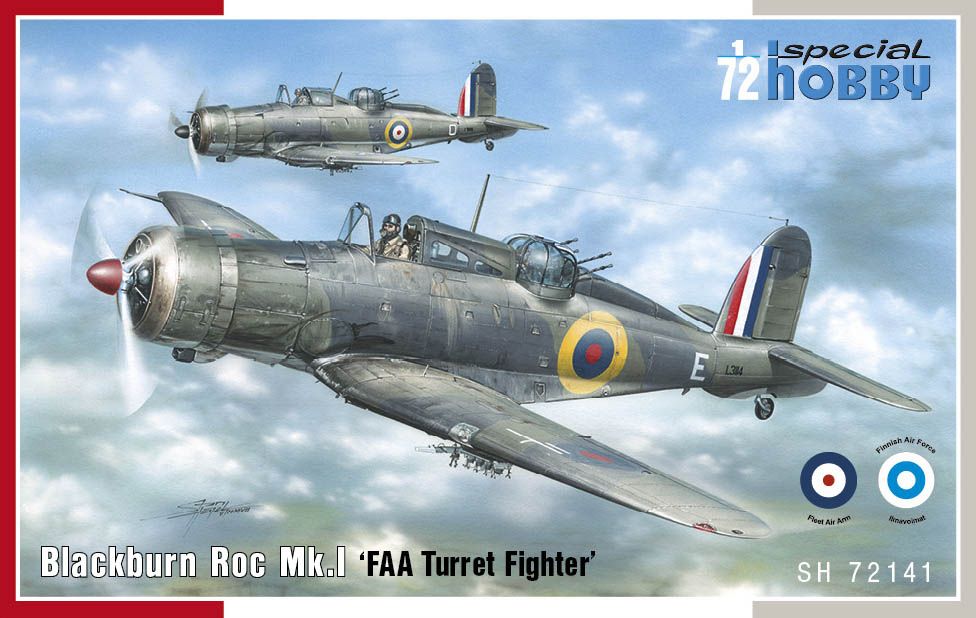
RE-RELEASED!!! Blackburn Roc Mk.I To fulfill Specification O.35/35, calling for a two seat carrier borne fighter, the Air Ministry ordered this type of aircraft from Blackburn Aircraft Ltd. in 1935. Similar to the land based Defiant fighter, the new fighter's armament was to be concentrated within a manned turret. The Blackburn's chief designer G.E.Petty delivered the so-called B.25 design that was closely linked to the previo...
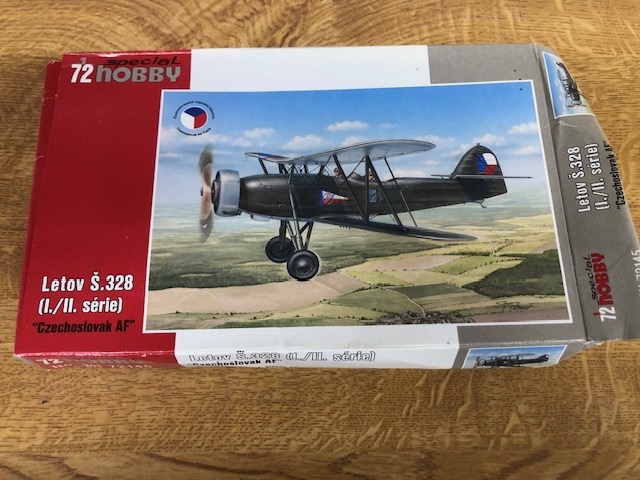
Letov S-328 The kit's sprues (depicting fuselage with sheet-metal covering and the first type of the wings) come with Cartograf printed decals and full-colour instruction sheet which cater for four Czechoslovak airframes, one of which in three various colour versions. That machine is interesting for a dedication on its fuselage. All machines carry badges of their respective Air Regiments. Empennage of one of the machines was p...
Expected late June! Fairey Albacore Mk.I/II 1/72
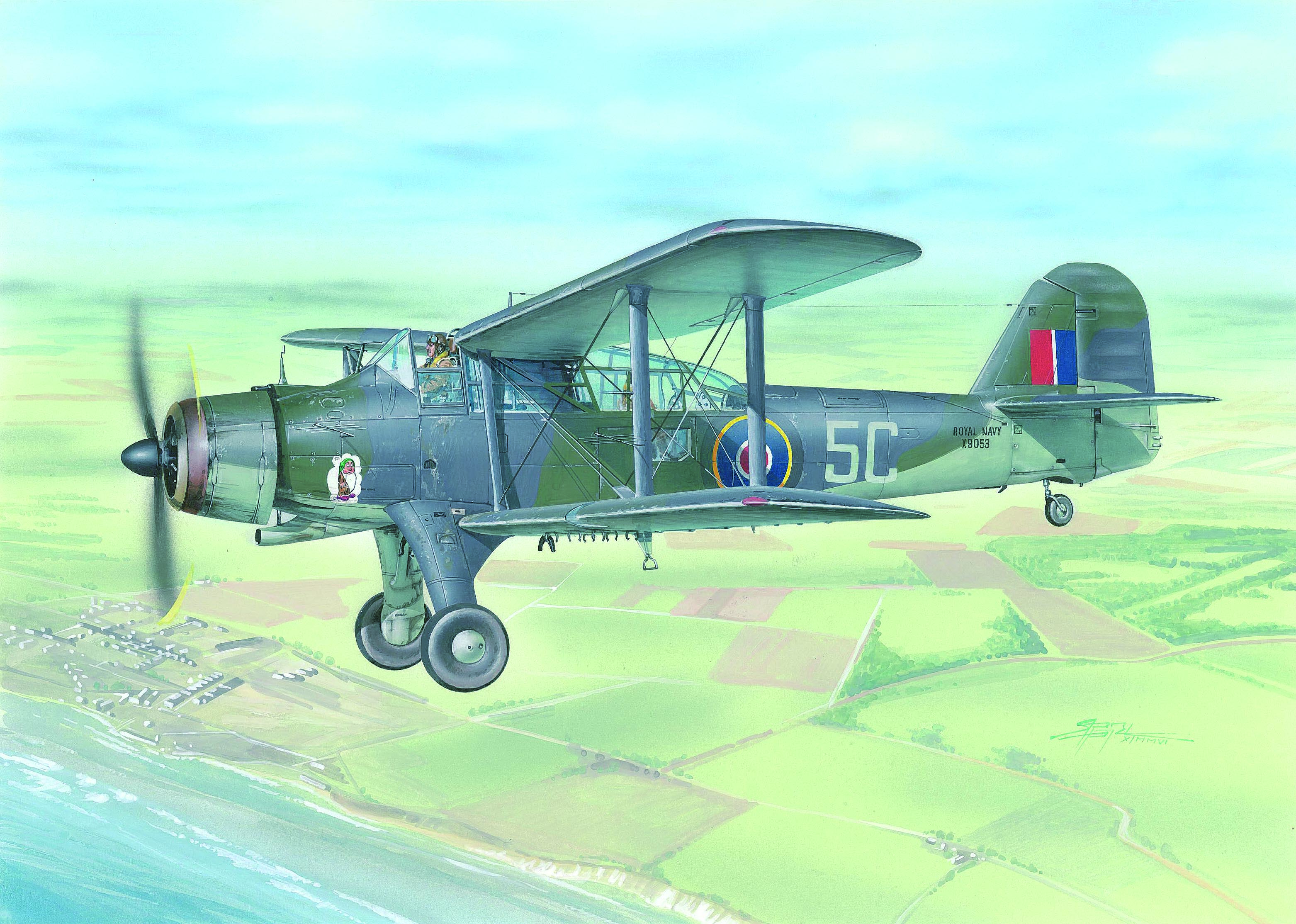
The Fairey Albacore was the last biplane bomber to enter service with the British FAA. The aerodynamically refined biplane was intended to replace the older Swordfish biplanes. Like its predecessor, it was intended for torpedo and bombing attacks from horizontal and dive flight and for reconnaissance. The crewof three sat in the all-metal fuselage under a large canopy.
The A...
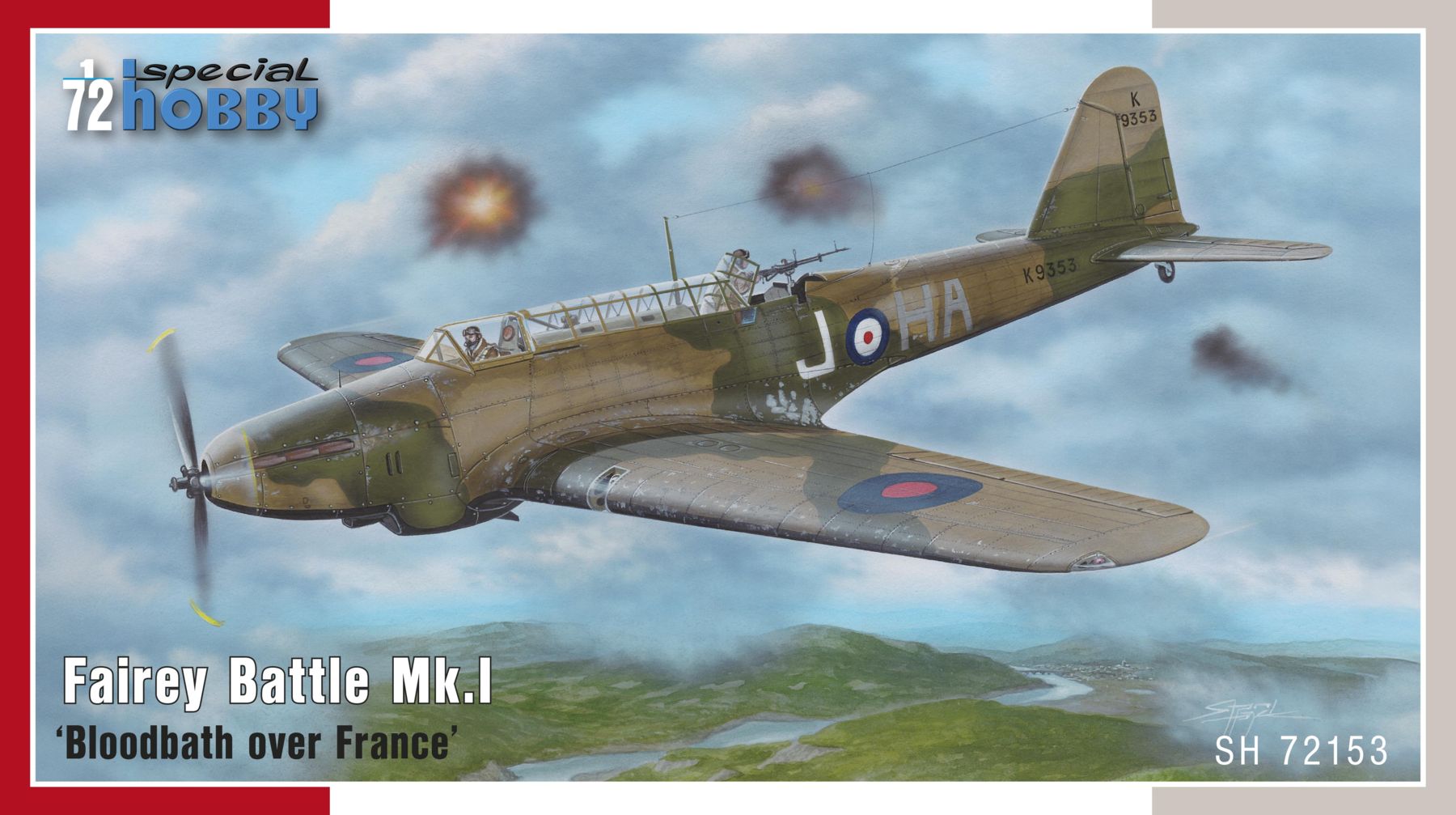
Fairey Battle Mk.I 'Bloodbath over France'
The Fairey Battle was ordered by the British Air Ministry to replace the Hawker Hart biplanes. It was one of the first modern low-wing aircraft to enter service with the RAF that began receiving the Battle in 1937. The Battle was elegant and pleasant to fly, but it was underpowered. One Merlin engine alone was simply lacking power for such a large aircraft. This was clear even befo...
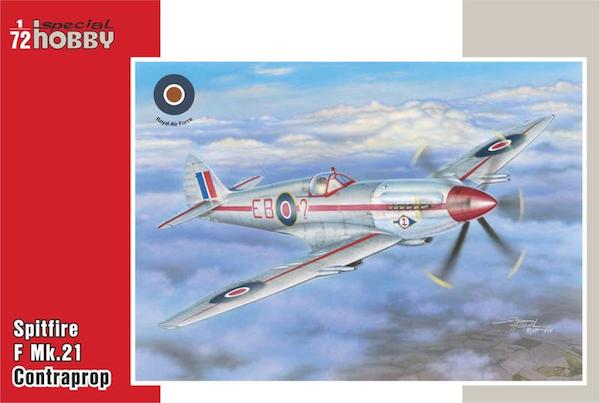
Supermarine Spitfire F Mk.21 "Contraprop" The first version of the Spitfire that had completely redesigned wing was the Spitfire Mk.21.
The changes in its construction were so important that a new name Victor had been also considered. Design work on this plane were commenced in 1942 and in the beginning of 1945 the first production aircraft were issued to No.91sqn. After the war, the Spitfire Mk.21 enjoyed rather long peace-t...
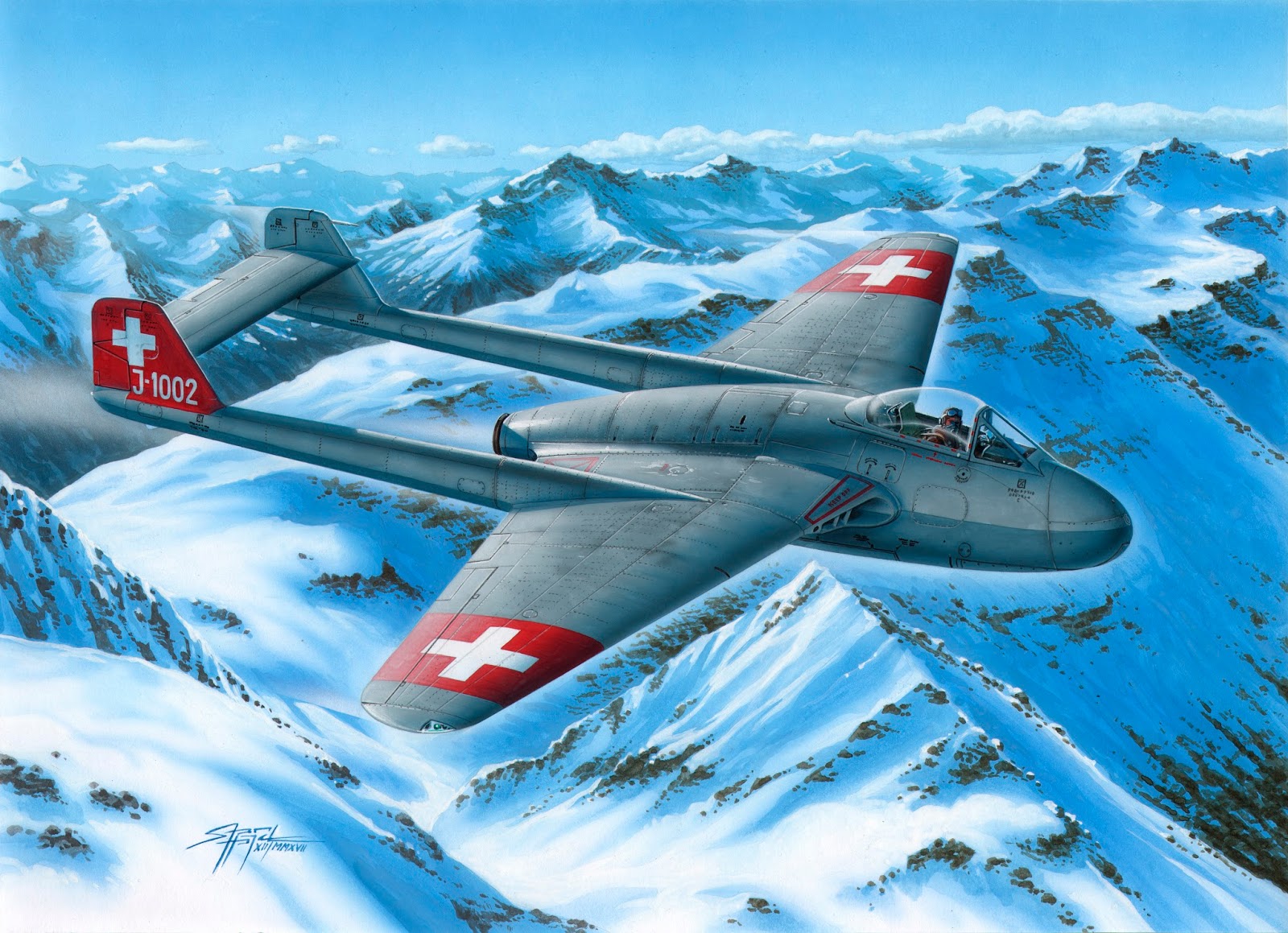
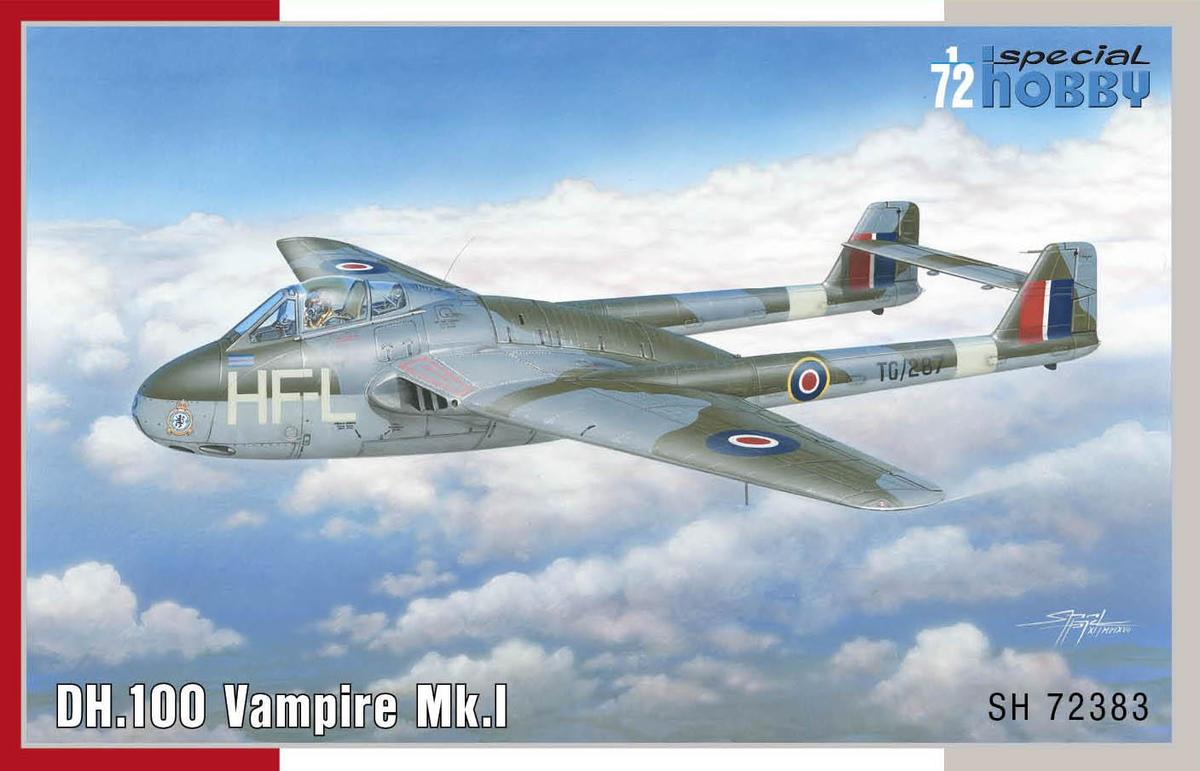
de Havilland Vampire Mk.1 Development of a jet fighter later to be named the Vampire began in 1941 and related closely with the development of the H-1 jet engine, for which the engine section of de Havilland company was responsible. The engine was later to be known under its new name Goblin and its development turned out to be very successful. The Vampire was therefore ordered under Air Ministry specification E.6/41 calling fo...
de Havilland Vampire Mk.1 'RAF, RAAF and Armee de l'Air. Development of jet fighter later to be named Vampire began in 1941 and related closely with development of H-1 jet engine, for which the engine section of de Havilland company was responsible. The engine was known later under its new name Goblin and its development was very successful. The Vampire was therefore ordered under Air Ministry specification E6/41 for an experi...
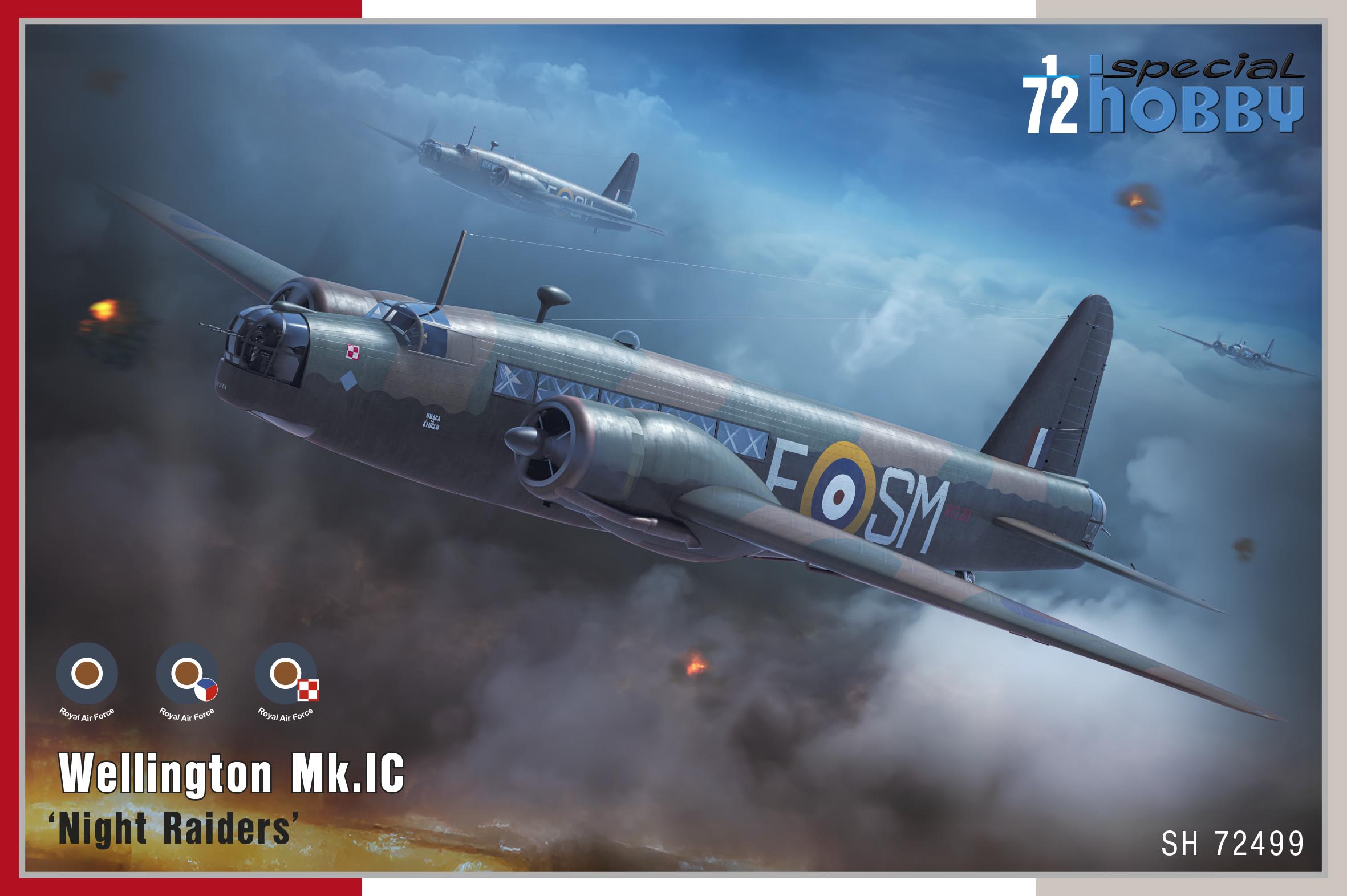
Vickers Wellington Mk.IC The Vickers Wellington is one of the symbols of the bombing offensive against Germany. After heavy losses in daytime raids at the beginning of the war, Wellingtons switched to night raids. They kept flying in this role for the entire first half of the war. Then they were transferred to Coastal Command, where they served as anti-submarine aircraft. They formed the armament of British RAF squadrons, but ...
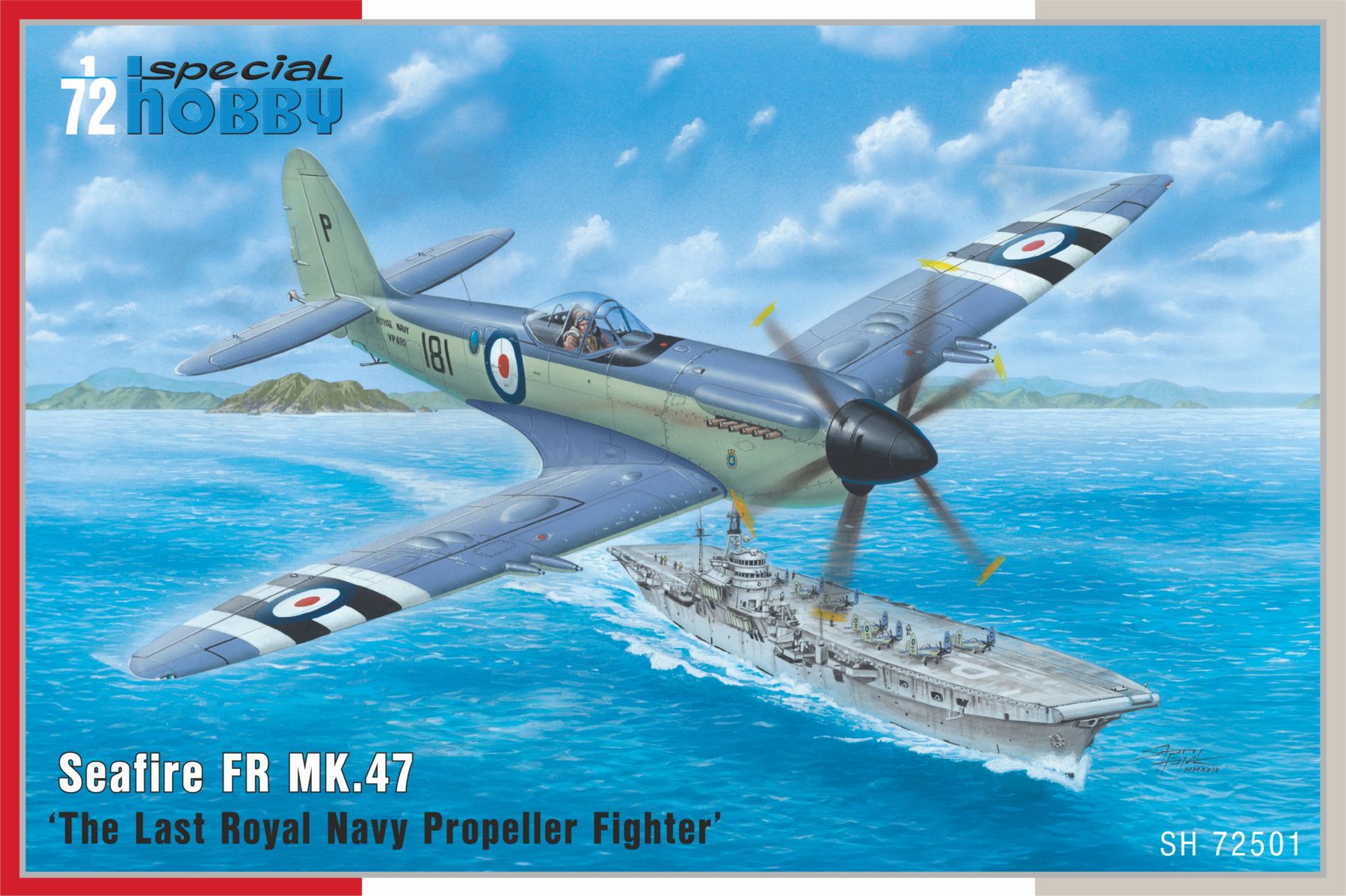
Supermarine Seafire FR MK.47 'The Last Royal Navy Propeller Fighter' 1/72
The final Spitfire versions, i.e. the Mk.21, 22 and 24, sometimes also called the second generation Spitfires, had corresponding navalized counterparts in the Seafire Mk.45, 46 or 47 versions. The Mk.47 Seafire was most similar to the Spitfire 24 type, its airframe was considerably modified though. The arresting hook was a necessity of course, in this c...
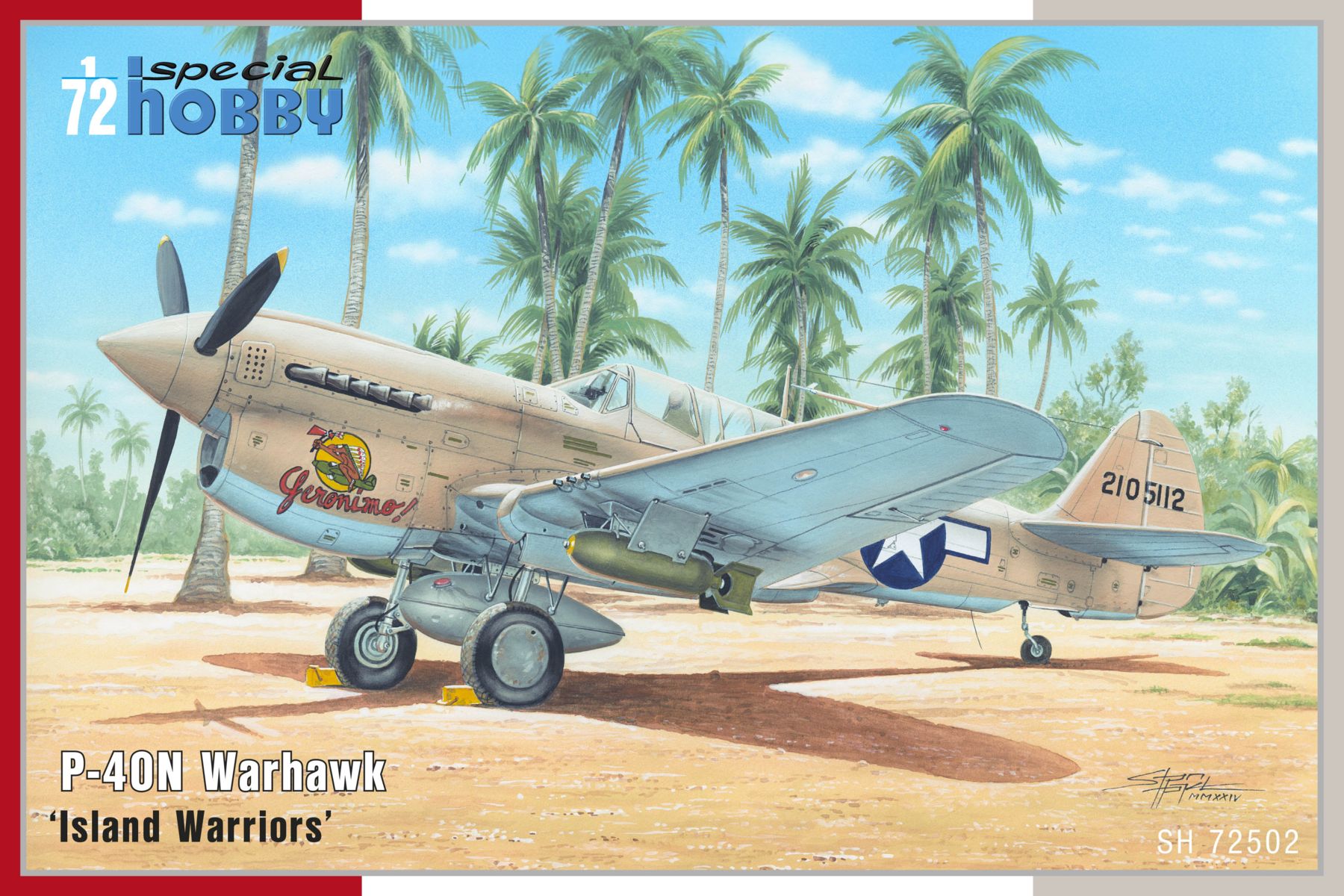
Curtiss P-40N Warhawk 'Island Warriors' 1/72
The P-40 US-built fighter aeroplane is one of the very iconic types of the war and was also supplied to the Allies, named the Kittyhawk. The P-40N was the final production version and in US colours it mainly flew over China, India and Pacific battlefields. Serving with various units, the machines wore different style of markings referring to the squadron or group they flew in. Som...
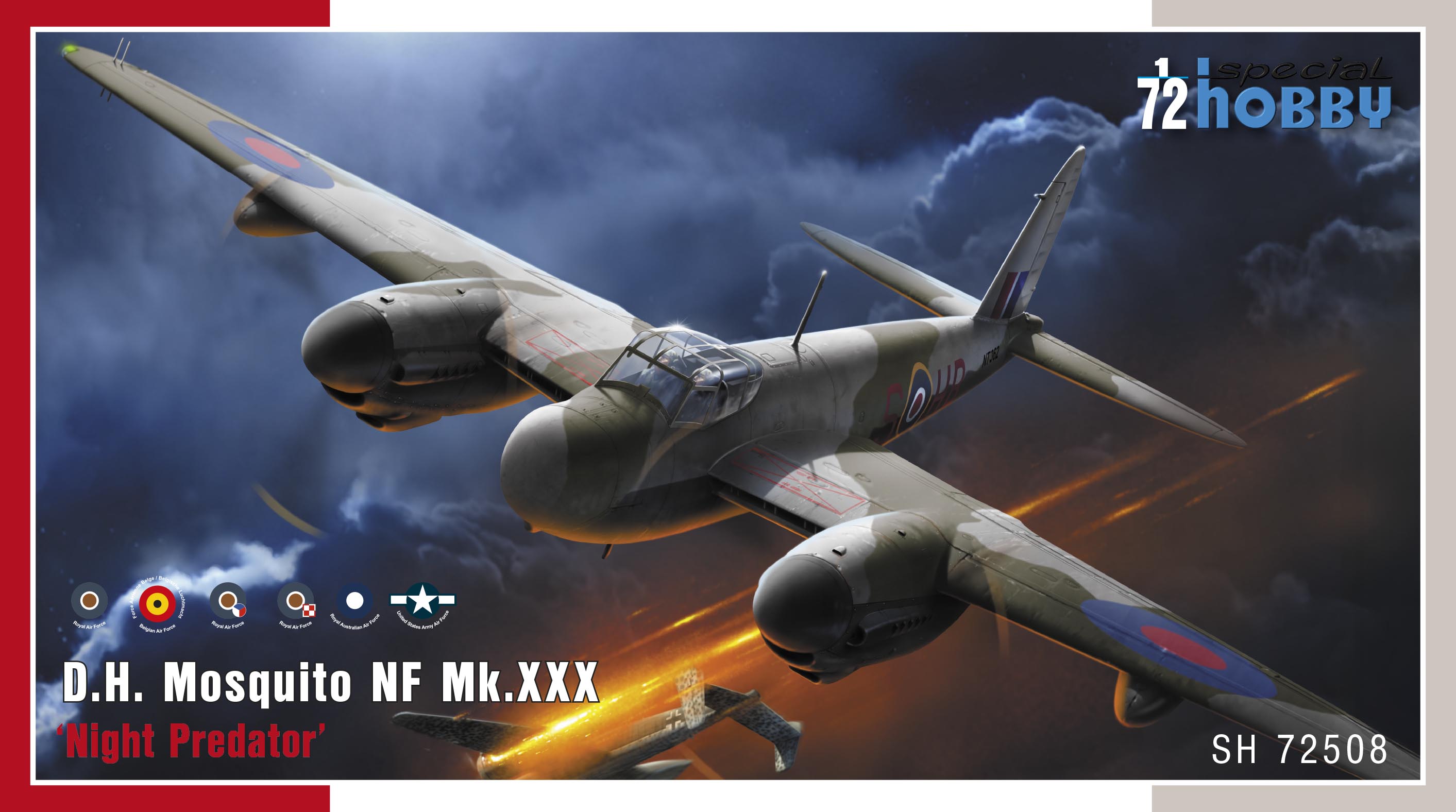
de Havilland DH.98 Mosquito NF Mk.30 'The Uhu Hunter' The de Havilland Mosquito was a versatile twin-engine aircraft that was one of the best aircraft of World War II. It was not without reason that it was called the 'Wooden Wonder'. It was used as a night fighter, fighter-bomber, bomber, reconnaissance, anti-ship or special transport aircraft. The first generation of Mosquitos were powered by Merlin engines with single-stage ...
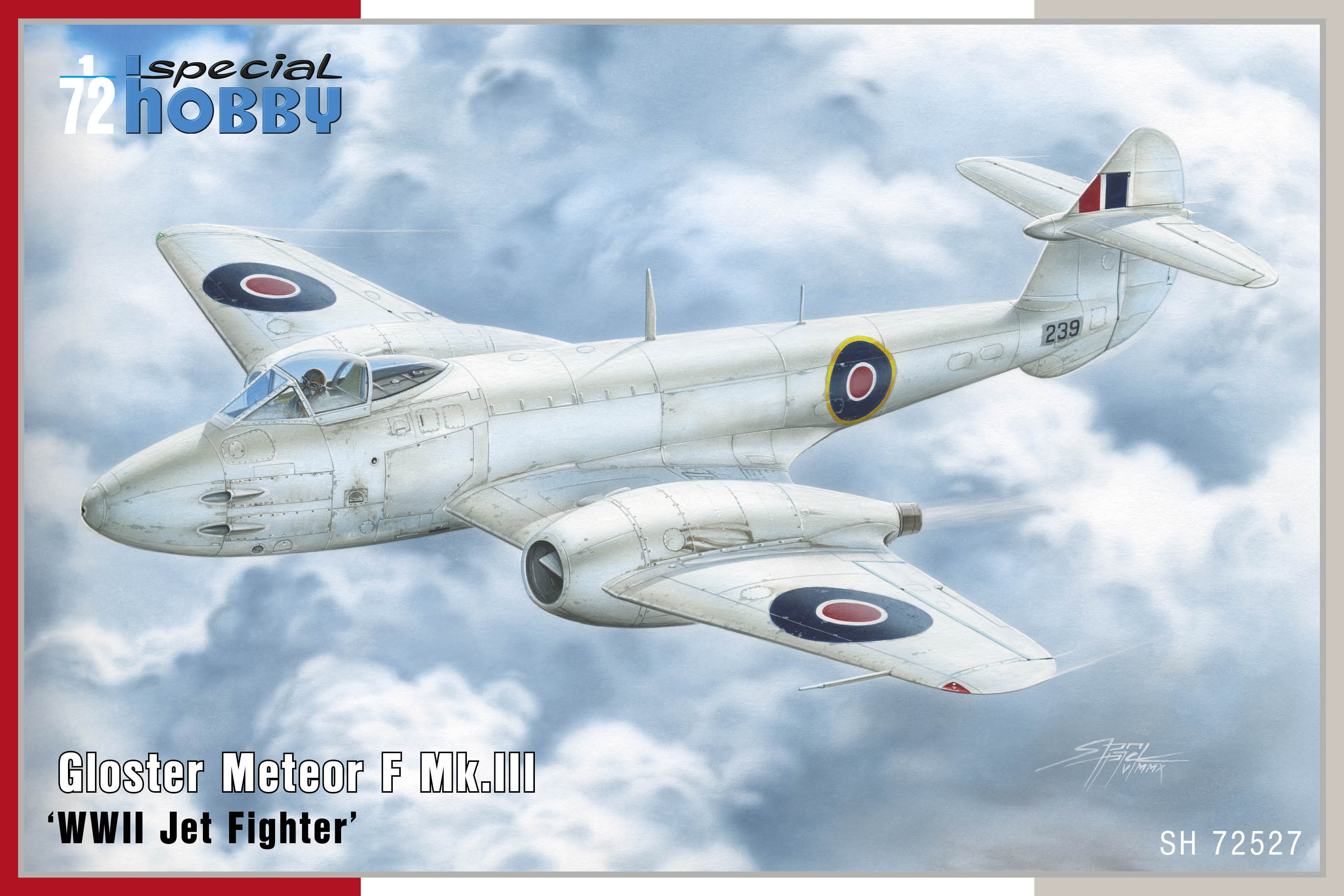
Gloster Meteor MK.III The Mk.III Meteor was the second production variety of the first British jet fighter aircraft and it appeared in service with the RAF even before the end of the war. In the post war years, the Mk.III Meteors for a brief period flew with the front line RAF squadrons.
The kit comes on three grey styrene sprues and one sprue with clear parts. The decal sheet bring markings for two war-time machines and two...
Expected late June! AT-6 Texan 'Little Warrior' The AT-6 Texan/Harvard was used mainly for training during World War II. However, North American already anticipated during its design that some operators would use the Texan as a combat aircraft. After World War II, it became clear that the Texan was excellent for counter-guerrilla warfare and also in the FAC (Forward Air Control) role. Squadrons of Texans, nicknamed 'Mosquito',...
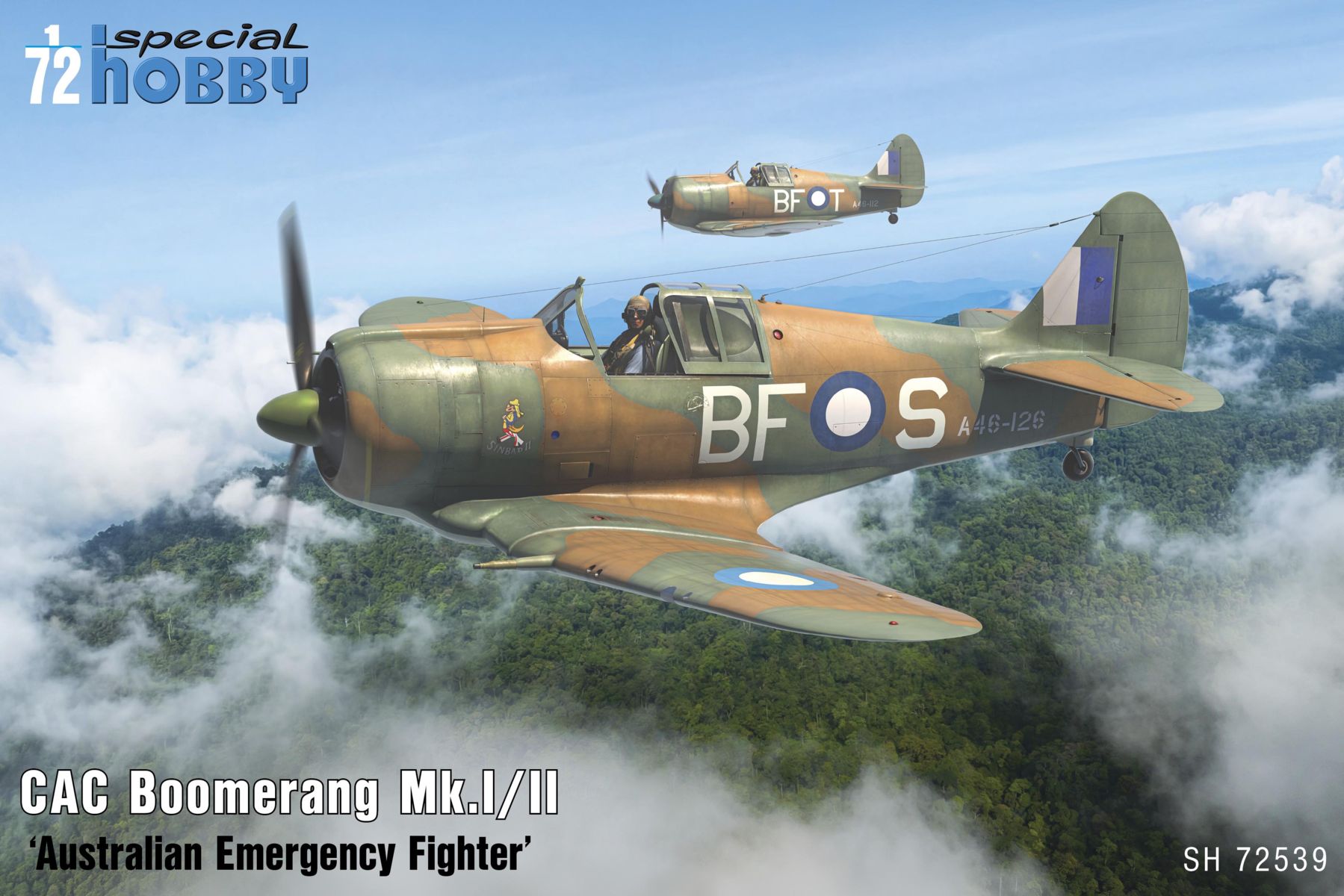
CAC CA.13 Boomerang 'Australian Emergency Fighter'. The Boomerang was the only indigenous Australian fighter aircraft to see action in World War II. The Boomerangs defended Australia and were used in New Guinea and other islands. They were produced in three serial versions: the CA-12 Boomerang Mk.I, the CA-13 Boomerang Mk.II and the reconnaissance CA-19. They were operated by five RAAF combat squadrons and other units.
The mo...




 Advanced Search