Cookies are small text files that are placed on your computer by
websites that you visit. They are widely used in order to make
websites work, or work more efficiently, as well as to provide
information to the owners of the site.
Here is a list of cookies this site uses:
Cookie name
Description
existing_user
Stores the email address used to previously log into the site, used to prefill forms like on the reset password screen
authchallenge
Authentication security checks
hcart
Stores the anonymous customer\'s cart token. If items are added to the card while not logged in, if you log in the items will be added to the customer\'s existing cart
hannants
Stores the session information while you remain on the site
pricer
Stores if the export or eu prices is selected on the catalogue page
hidefilter
Stores if the search filter panel is hidden or shown
AWSELB
Stores which server you\'re connected to so to access the same server while you navigate around the site
Gloster Meteor TT Mk.20. As the RAF Gloster Meteor Mk.11 jets began to leave the first line duty, it was necessary to find a new job for them. A few of the Mk.11 airframes were converted to a target tug to requirements issued by both the Royal Navy and RAF. These were designated TT Mk.20 and in a similar fashion were also rebuilt Meteor Mk.11s of the Danish Air Force and a Swedish civil operator. Our Meteor TT Mk.20 comes on f...
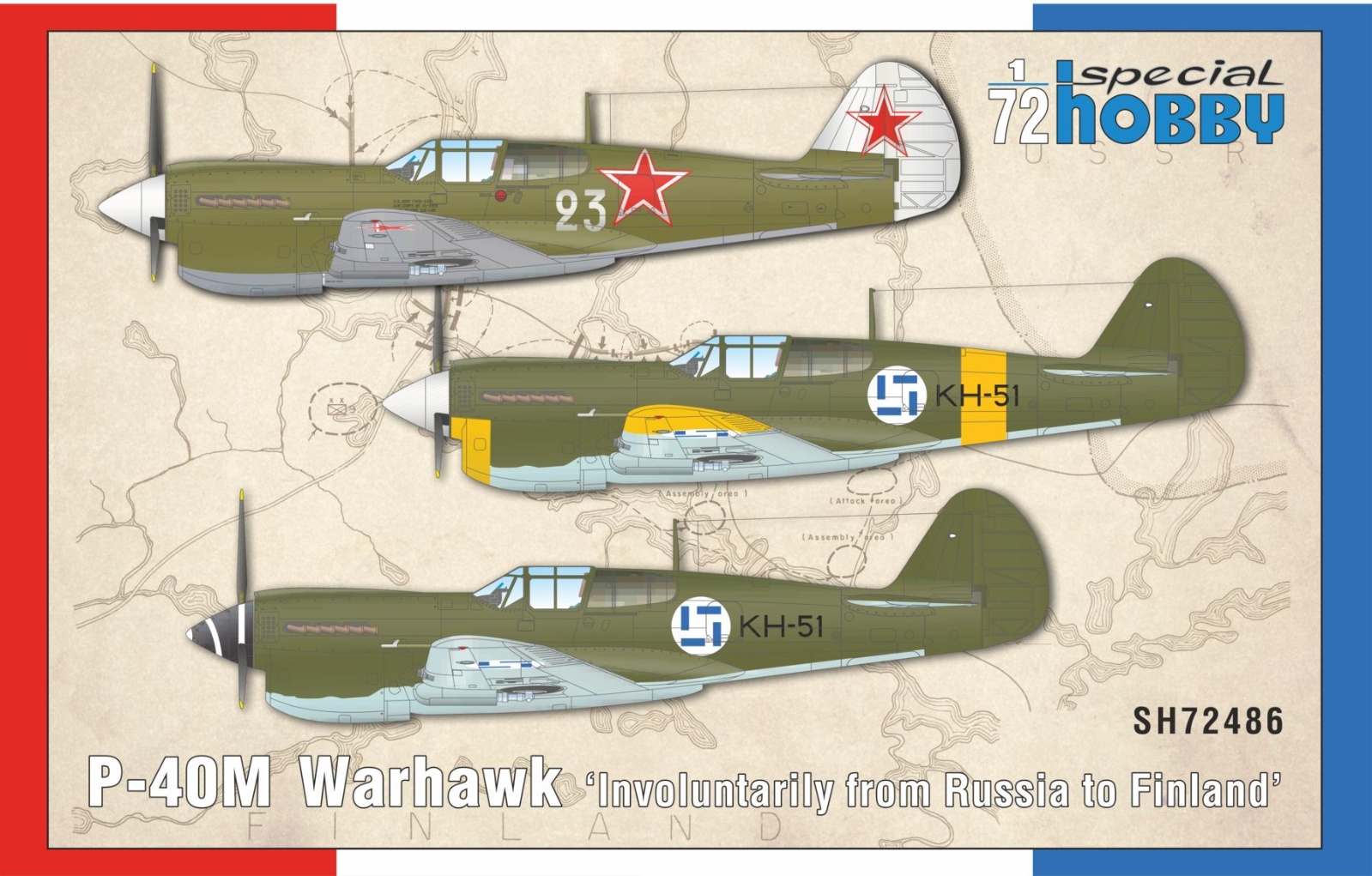
Curtiss P-40M Warhawk 'Involuntarily from Russia to Finland' During the Second World War, the P-40M Warhawk fighter aircraft was used both by the USAAF and the air forces of the Allies. Over two hundres were also delivered to the Soviet Union. P-40M s/n 43-5925 White 23 saw only very brief service with the VVS (Soviet Air Force). When the new machine was being flown over to the unit, its pilot 2nd Lt. V.A.Revin got lost, lande...
Tachikawa Ki-54 Hickory 'Captured and Post War Service' The Hickory was a Japanese WW2 twin-engined aircraft produced in four versions, for pilots, wireless operators and navigators training, gunnery training, a transport verison and anti-submarine operations type. Our kit comes on four styrene sprues and one with clear injected parts.
This boxing portrays captured machines. One as flown by US pilots bearing a nose art and d...
Supermarine Seafire FR Mk.46 The Mk.46 variety of the Seafire was originaly a navalized Spitfire Mk.22, closely following their predecessor the Seafire Mk.45 and so possessing the fixed (not folding) wing with laminar type aerofoil. From the Mk.22, ��t inherited the low back rear fuselage and naval equipment, sting-type arrestor hook and catapult spools. Only twenty-four were built in the end as the definite Seafire FR.47 type...
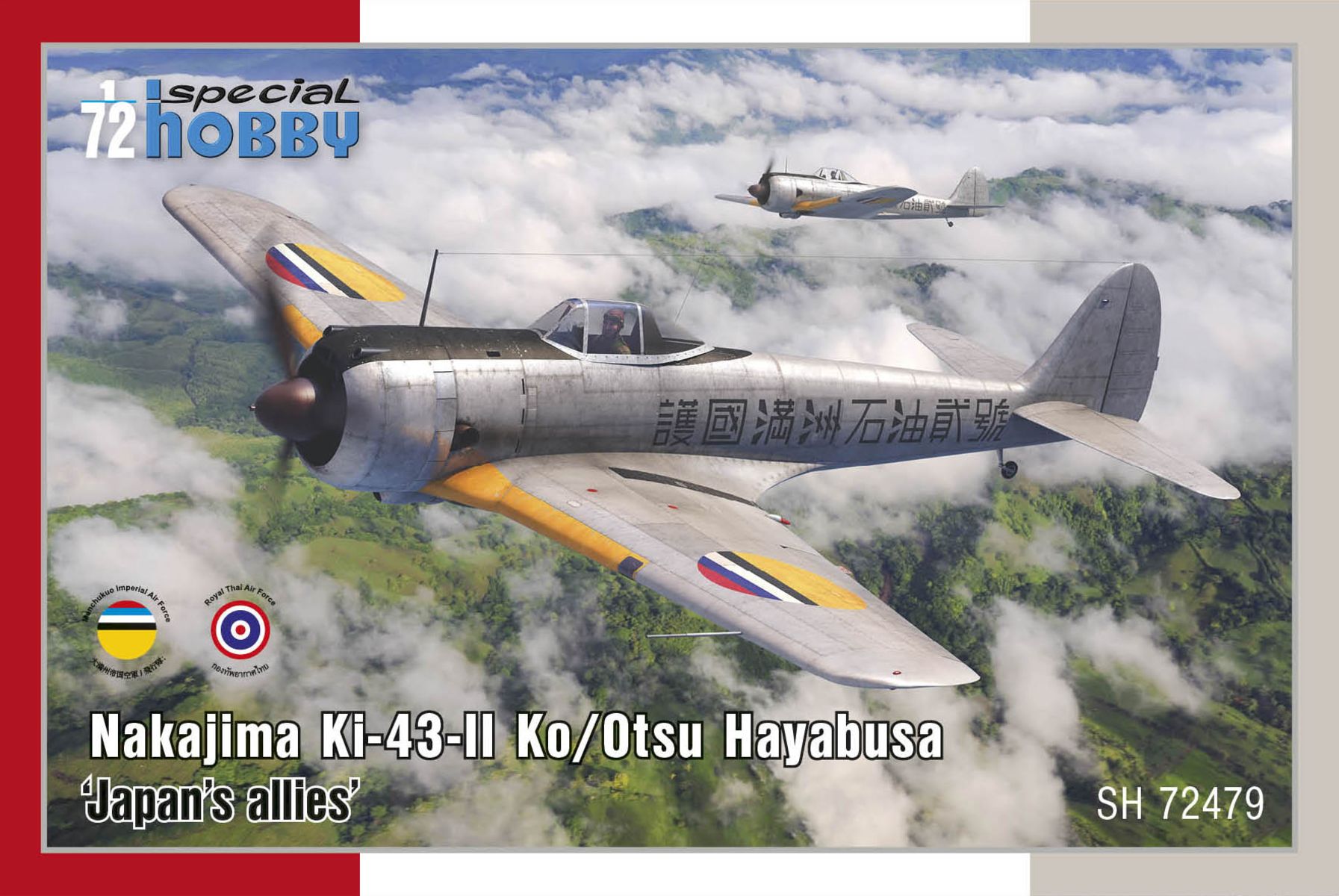
Nakajima Ki-43-II Ko/Otsu 'Japan's allies' The Ki-43 Hayabusa/Oscar was arguably one of the most significant fighter types of the Japanese Army Air Force. The Oscar was also delivered to the air forces of Japan allies as were the puppet state of Manchuria and Thailand. The Manchukuo Imperial Air Force Oscars bore interesting and colourful markings and on the fuselage sides also had large presentation slogans. The Thai fighters...
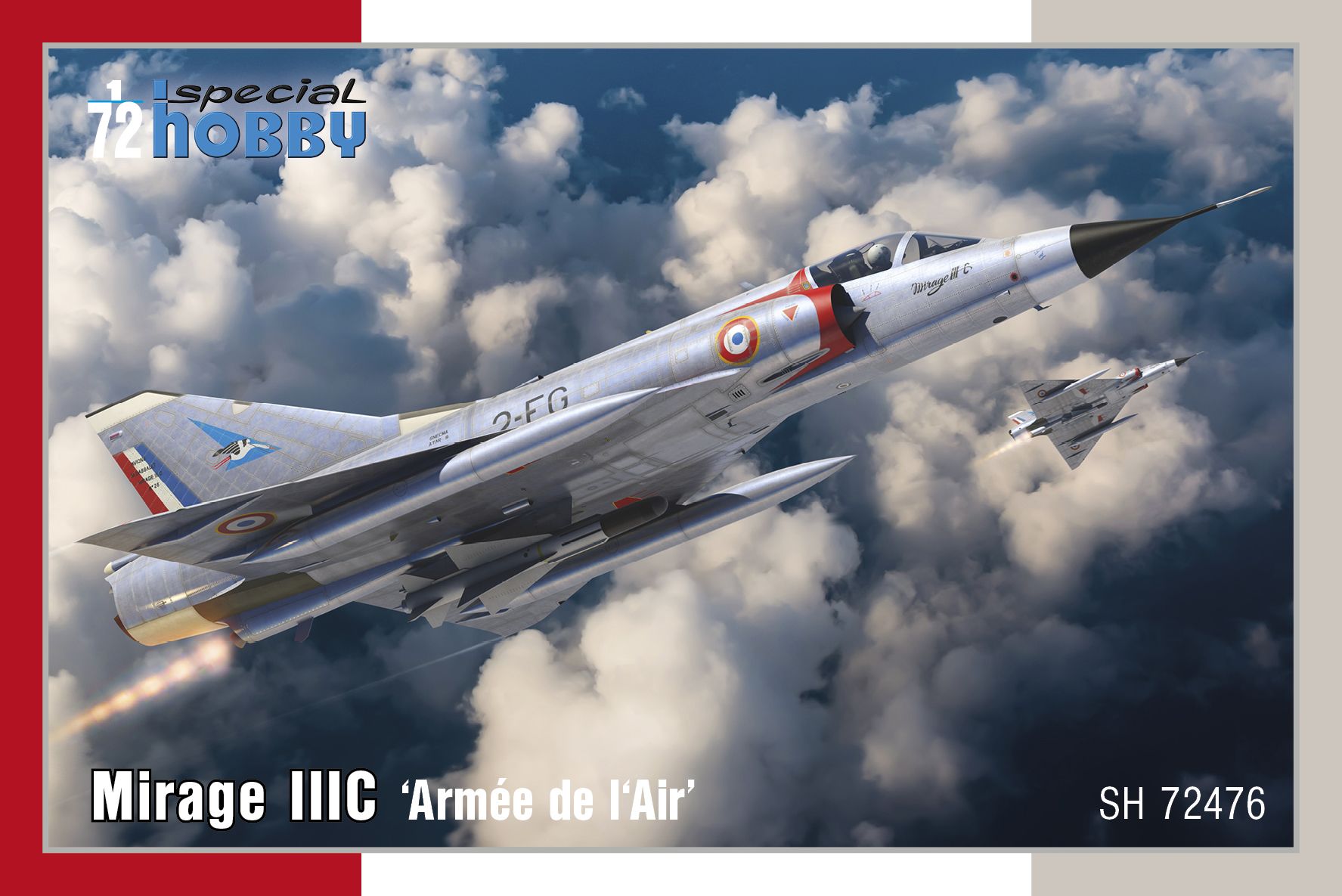
RE-RELEASED!!! Dassault_Mirage IIIC 'Armee de l'Air' The Mirage IIIC was the first jet produced in Western Europe to break the double speed of the sound in the level flight. The type was the very first of te whole family of Mirage fighters IIIC, IIIE and 5 some of which keep flying even until these days. The Mirage IIICJ was the epitome of the Israeli air supremacy in the wars with the neighbouring Arab countries during the Wa...
Heinkel He-162A Spatz 'Captured Birds' One of the many wunderwaffen supposed to save the Third Reich, but failed eventually, was also the Heinkel He 162A Spatz jet fighter. This aircraft was a part of the Volksjaeger programme and became involved in the war only at its very last stages. Luftwaffe's jet engine powered aircraft were very welcomed booty of the Allies and the Spatz jets were the most numerous of all jets that got ...
Aero 11 L-BUCD Blue bird on a long flight over Europe, Africa and Asia (Aero 11 L-BUCD) The Aero A-11 was amongst the best Czechoslovak-made aircraft of the 1920s. No wonder then that the type was chosen by the crew of St.Kap Stanovsky and his mechanic Simek for their long distance flight around Europe, North Africa and the Middle East which took place in May and June 1926. For its distinctive colour, their machine was aptly n...
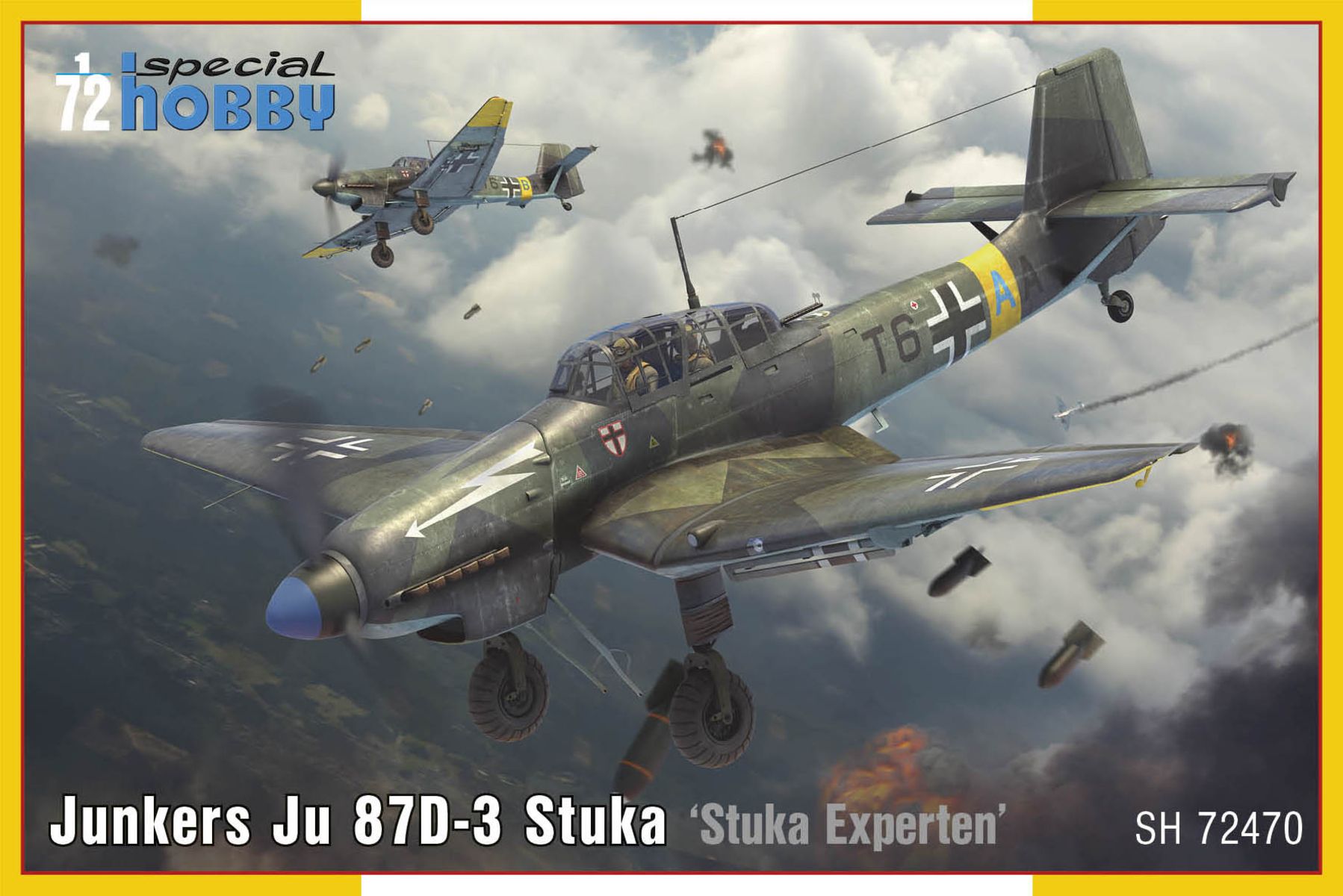
Junkers Ju-87D-3 'Stuka' The Junkers Ju-87B/R 'Stuka' was, and mainly on the Eastern Front, a highly importnant and widely used aeroplane. With the increasing might of the enemy air forces, the 'Stuka' design simply had to constantly undergo continuous improvemetns. So, the Ju-87D variety got into the production. Up until the D-3 type, the wing was of the standard span, but then it changed and got longer span, starting with th...
Gloster Meteor T Mk.7 The Meteor T.7 two seater was among the most widely used jet trainer aircraft of the 1950s and 1960s and saw service with the British military as well as with many various overseas air forces.
Our model of the T.7 comes with three marking options, first you will have the attractive, overall red display machine flown by Gloster's factory test pilot, then there is a overal aluminium aircraft of No.43 Sqn ...
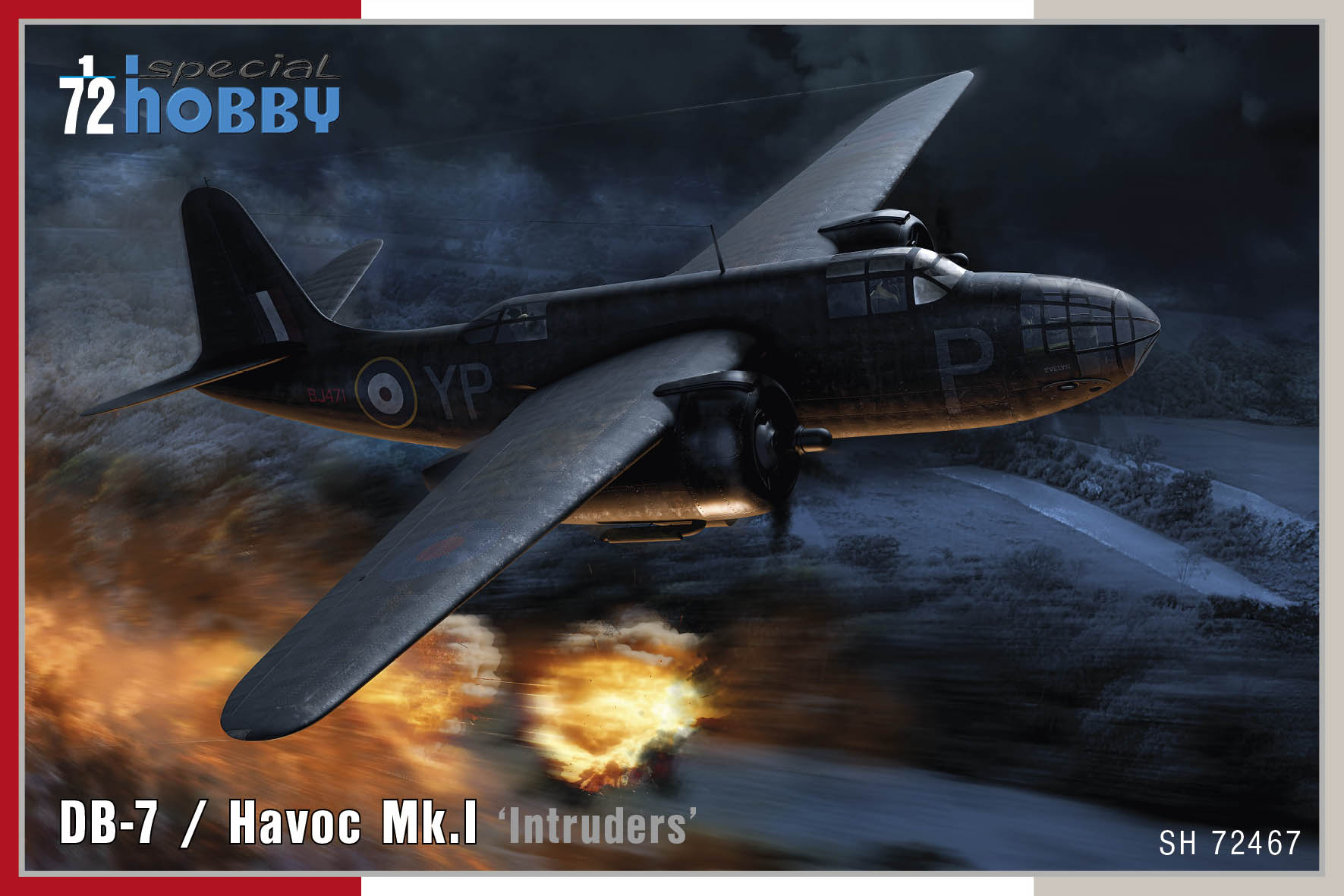
Douglas DB-7 Havoc Not long before the outbreak of WW2, France ordered the then newly developed DB-7 light bombers from the Douglas company in the USA. Some machines, powered by P&W R-1830 engines and fitted with a narrow and short tail fin, were actually received and deployed in combat in 1940. The French machines went on flying and fighting until 1945, sometimes also switching sides. Before its defeat in 1940, France was not...
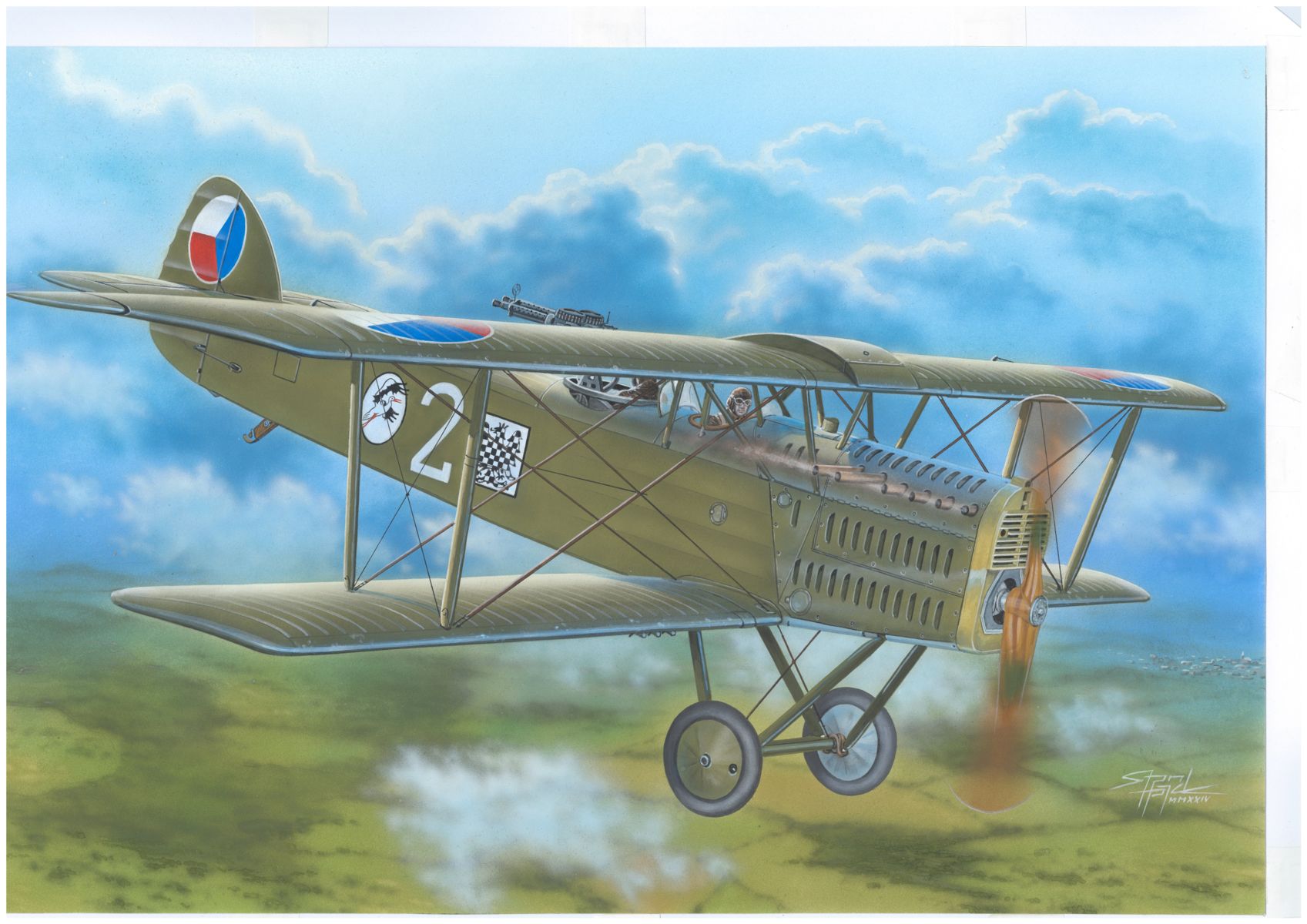
Aero A-12 'the First of the Family' USUALLY £19.80. TEMPORARILY SAVE 1/3RD!!! The Aero A-12 was developed by Ing.Husn�k, the chief designer at the Aero factory in 1923 and was introduced to the Czechoslovak Air Force a year later. And it was just the same year that the A-12 did very well during the 2nd Speed Race for the President of the Republic Trophy. Three of the A-12s set world records in the race, the first ones to be a...
Aero A-11HS 'Finnish Export Version' USUALLY £19.80 TEMPORARILY SAVE 1/3RD!!! 1/72
In 1925, Finland bought a dozen of Aero A.11 observation and light bomber biplanes. This meant one of the first export success of the Czechoslovak aviation industry. The Finnish version differed from Czech Aero A.11s by having the more powerful Hispano Suiza engine fitted.
The kit comes on three styrene sprues, two clear ones and a few (3D-P...
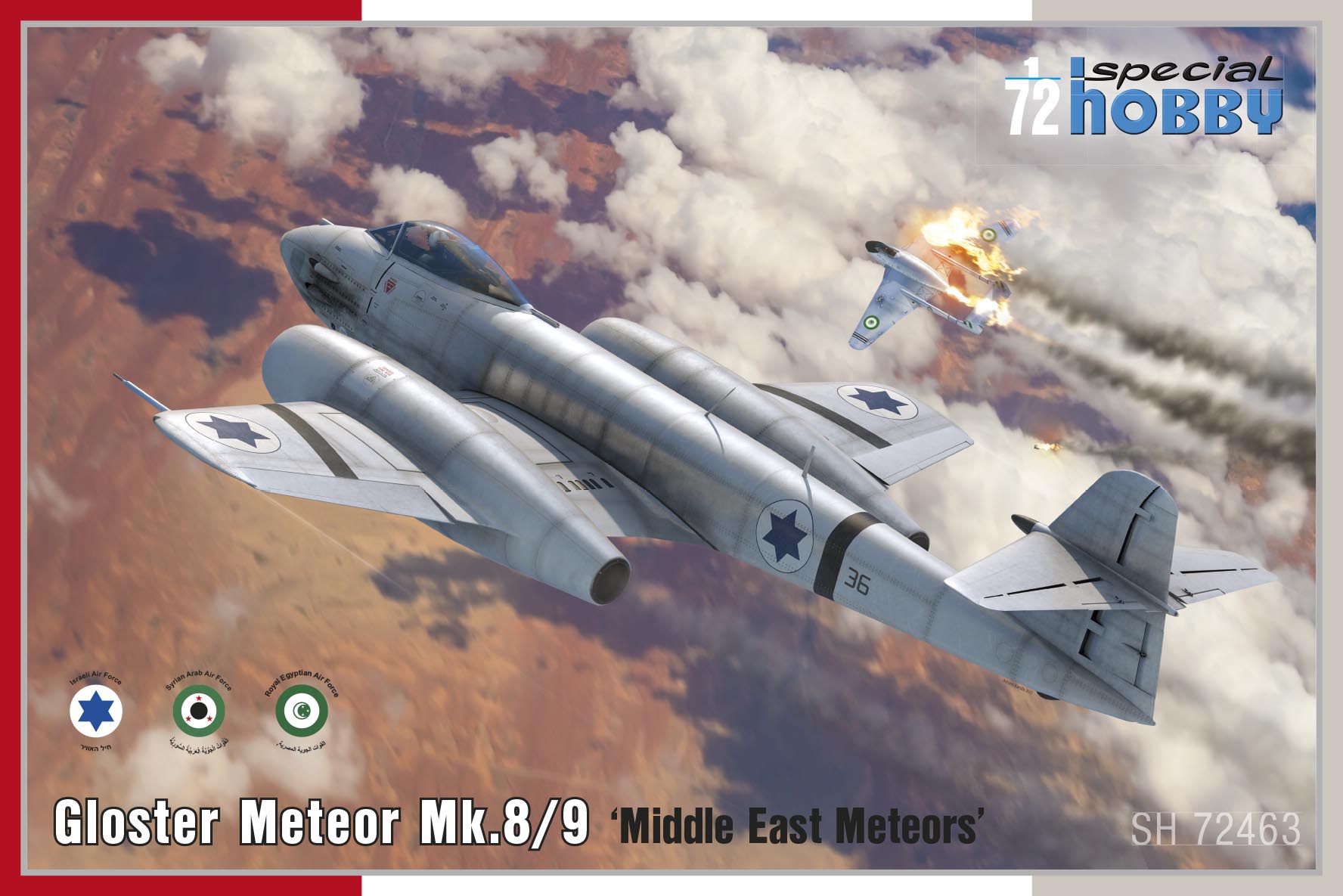
Gloster Meteor Mk.8/Mk.9 IAF The Gloster Meteor was one of the world's very first jet fighters. The first two versions of the Meteor were introduced into service with the RAF in time to see the deployment int he final stages of the war. The development of the type went on after the war, with the first post war version being the Mk.4. Next, more advanced F.8 fighter and FR.9 fighter-reconnaissance types were both operated by th...
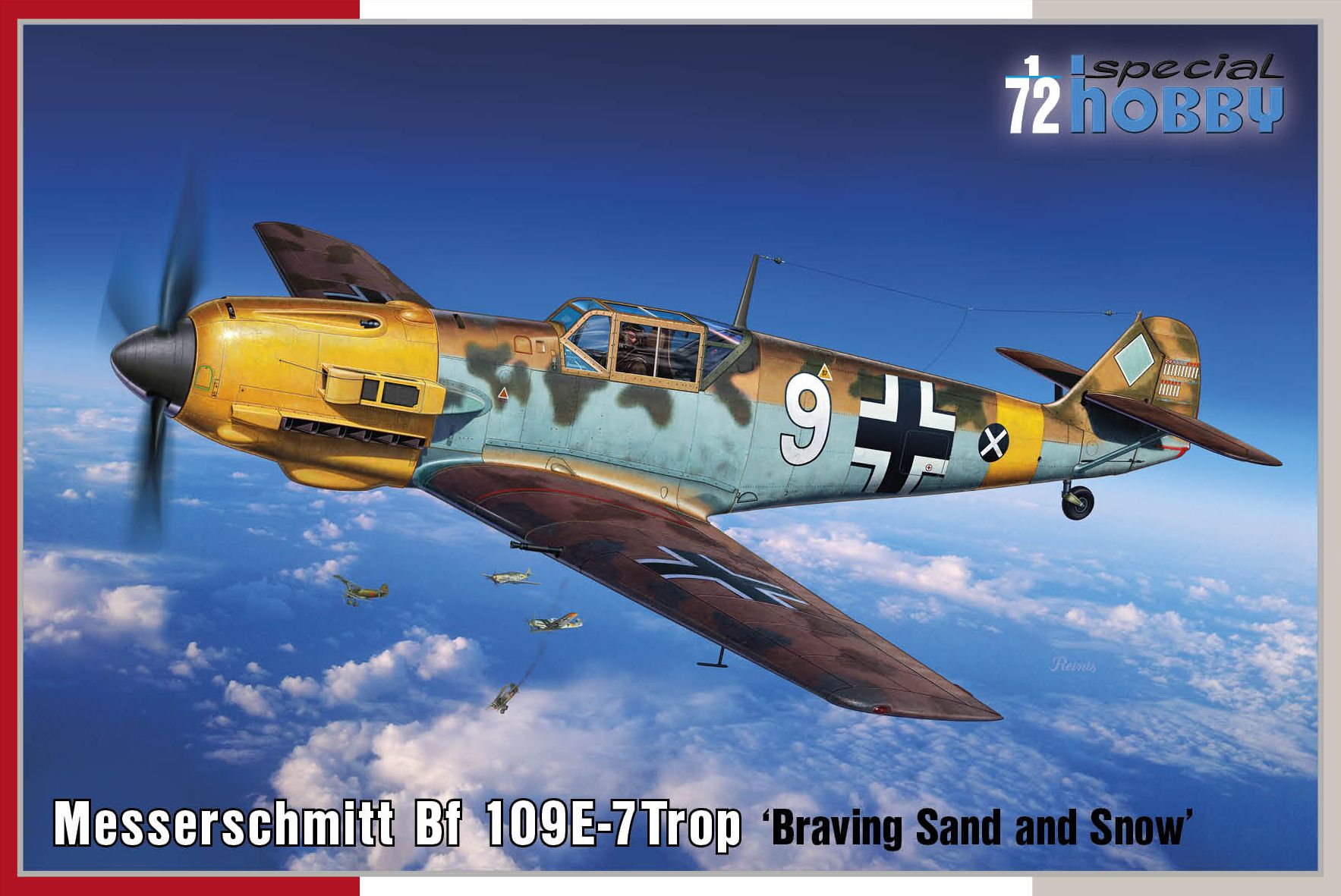
Messerschmitt Bf-109E-Trop/E-7 Trop Braving Sand and Snow' If you hear 'Messerschmitt Bf-109' it no doubt is a synonym for a fighter aeroplane. And what an aeroplane the one-oh-nine was. In active service from 1936 until 1954 in a number of countries, in front line duty since the Spanish Civil War and remained till the end of the Second World War, and some machines even in a couple of post war years. The so-called Emil, which ...
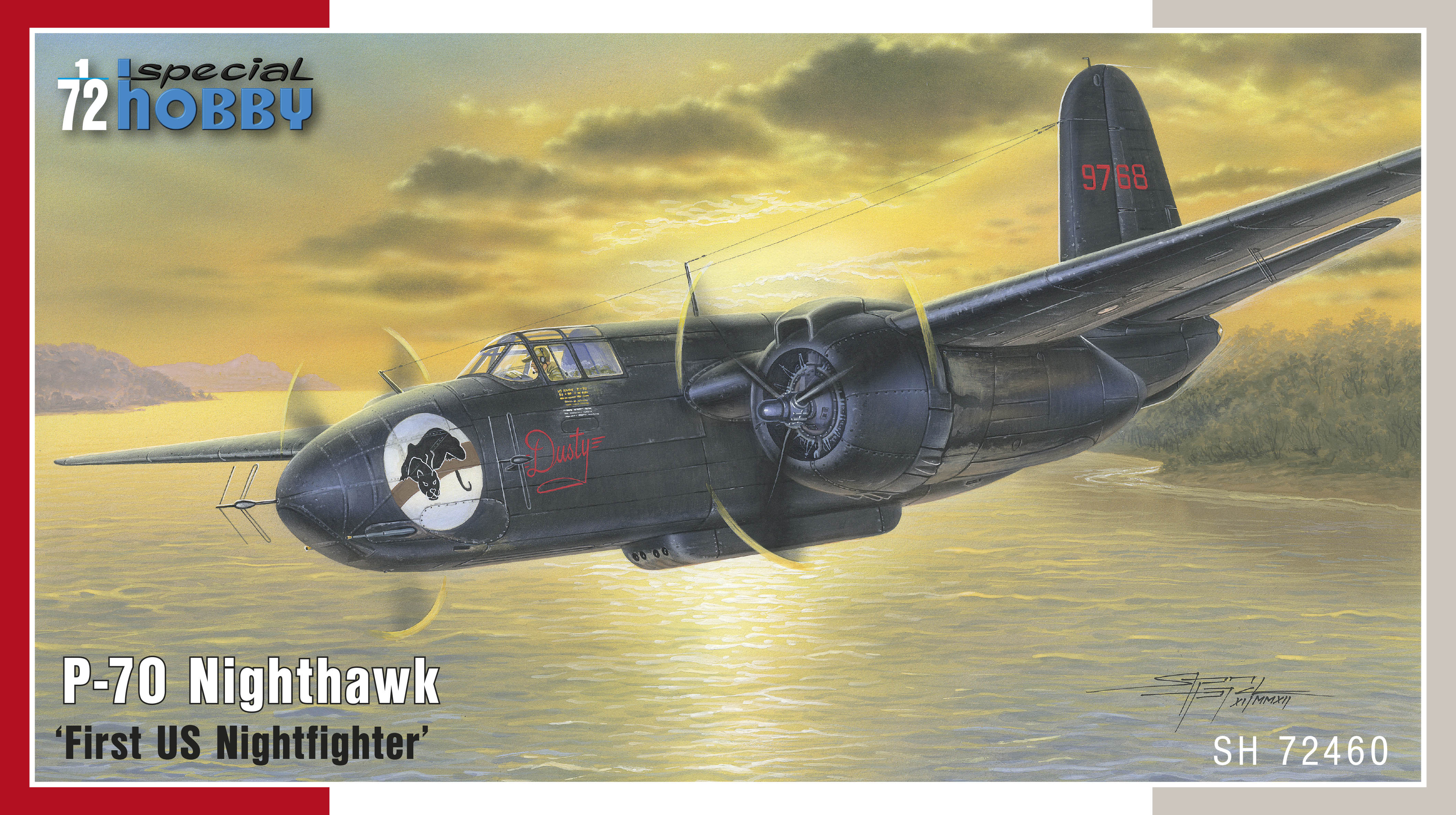
Douglas P-70 Nighthawk The A-20 Havoc was a great light bomber, although it also served as a platform for a night fighter. The Havoc was modified to create the P-70 Nighthawk night fighter. It was deployed in the Pacific and was also used extensively for training in the United States.
The kit consists of six frames of grey plastic parts and a frame of clear parts.
The decals feature four machines, three of which fought i...
Messerschmitt Bf-109E-1 'Legion Kondor' pre WWII Between 1939-40, the Messerschmitt Bf-109E was arguably the very best fighter aeroplane of the world. The type was produced in two main subvariants differing by the type of armament, either heavily or lightly armed. The lightly armed airframe was fitted with machine guns only, two of them above the engine, the other two in the wings. The versions produced with this sort of armam...
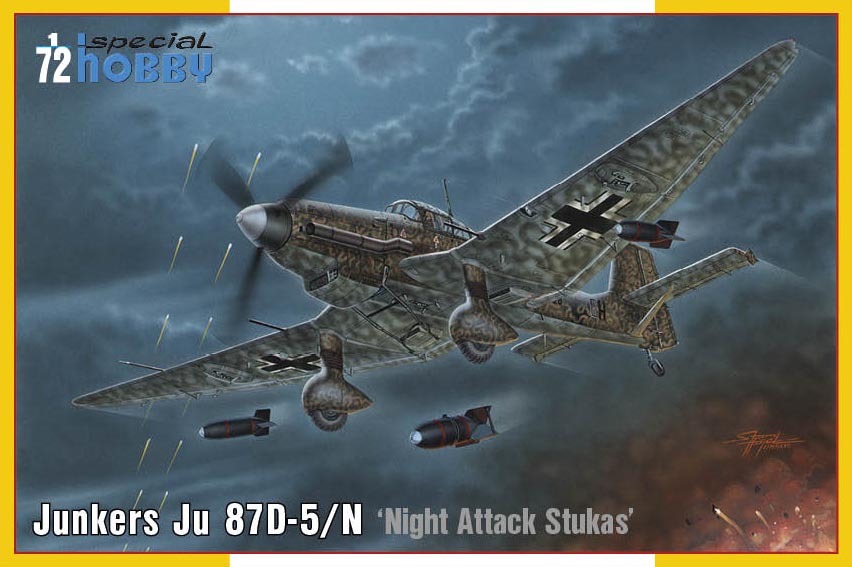
Junkers Ju-87D-5/N 'Night Attack 'Stuka'High quality Academy Junkers Ju-87G-2 styrene parts are now joined by our own designed and made styrene conversion parts, etches and resin parts, all of which gives you the very welcomed opportunity to turn the original Academy kit into the D-5/N/D-8 varieties. And at the same time, those new styrene parts also correct the very few mistakes which can be found in the kit. This version, wh...
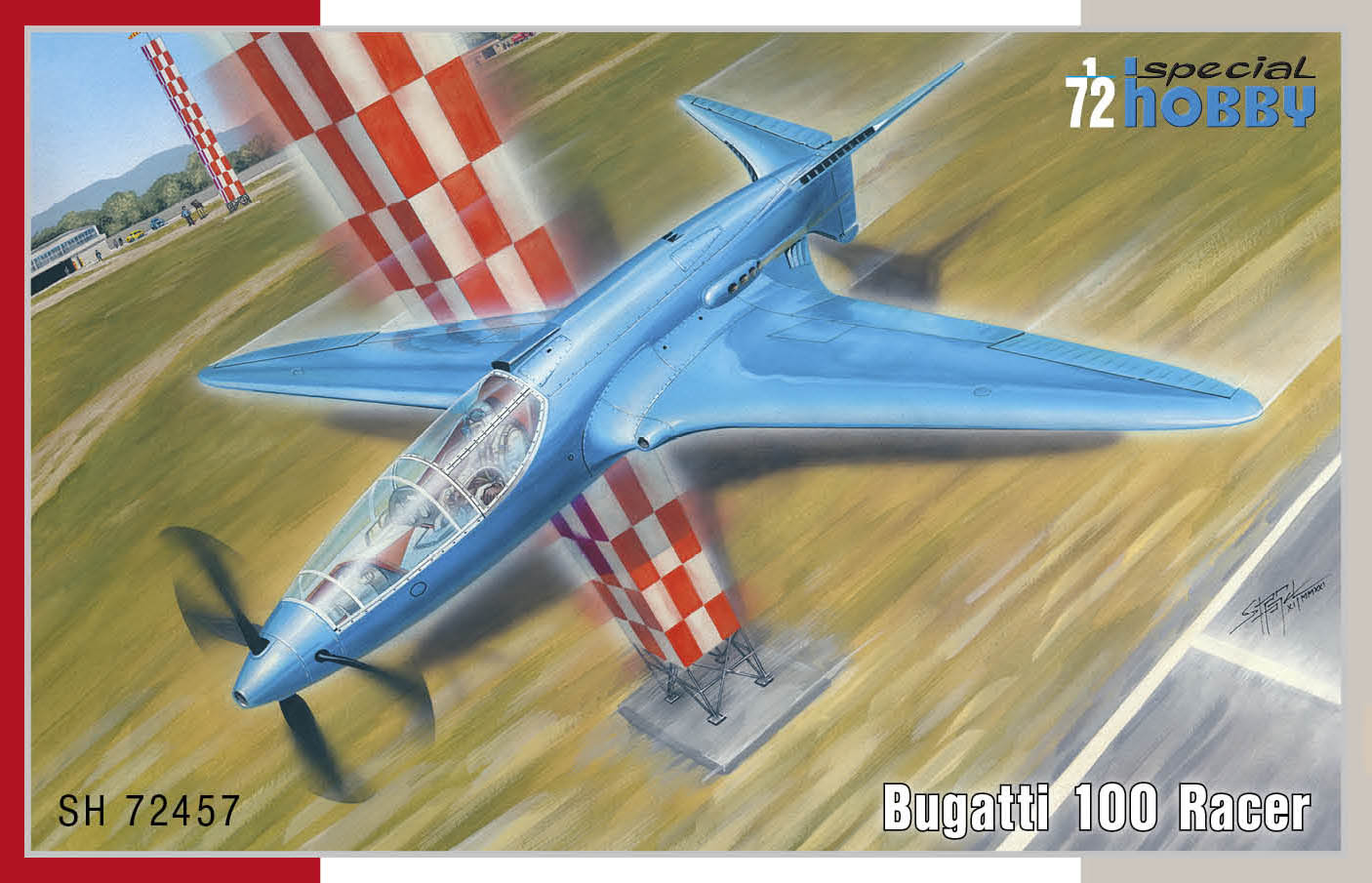
Bugatti 100 RacerIn the pre-war years, Ettore Bugatti, a very wel known racing car designer, took the opportunity and decided to turn his attention to aviation too and come with a concept of a racing aeroplane which was to win the then rather popular Deutsch de la Muerthe races. At first, the plane was to be fitted with just one engine, this was later reconsidered and two powerplants were used, placed asymmetricaly in the slee...
de Havilland DH.100 Vampire FB.Mk.9 'Tropicalised Fighter-Bomber' Sometimes this autumn, Special Hobby will be releasing two new 1/72 Vampire reboxings. Along with the 'long-winged' Mk.3 Vampire, you will be also tempted by a version we have not released before, the tropicalised, fighter bomber FB Mk.9 Vampire. As you will have guessed from the name, these Vampires had been fitted with an air-con unit in a special housing on t...
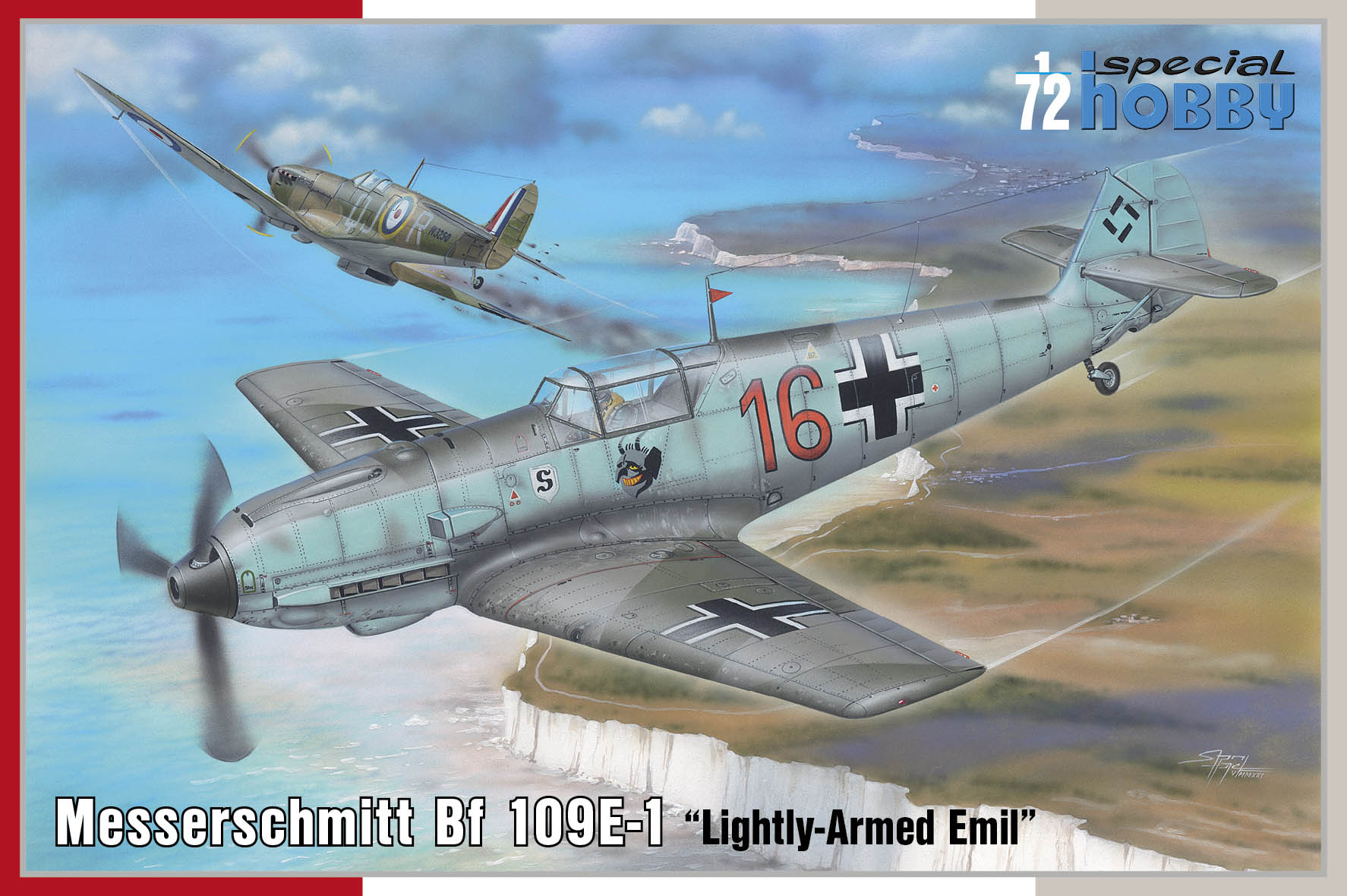
Messerschmitt Bf-109E-1 'Lightly-Armed Emil'. In the first two years of World War Two, the Messerschmitt Bf-109E was arguably among the top fighter aeroplanes of the world, if not the very best of them. The type was produced in two major varieties differing by their armament " the so-called lightly-armed type and those with heavier punch. The former was fitted with four machine guns, two of them above the engine, the other two...
de Havilland DH.100 Vampire Mk.3 'European and American Users' , GB, Norway, Canada, Mexico. The DH.100 Vampire was a British first generation fighter jet aeroplane and was produced in several versions both for the RAF and for export. The Vampire Mk.3 version saw service not just with the domestic force, it was also operated by military in Canada, Norway and Mexico. And these four operators is what you will find offered on the...




 Advanced Search