Cookies are small text files that are placed on your computer by
websites that you visit. They are widely used in order to make
websites work, or work more efficiently, as well as to provide
information to the owners of the site.
Here is a list of cookies this site uses:
Cookie name
Description
existing_user
Stores the email address used to previously log into the site, used to prefill forms like on the reset password screen
authchallenge
Authentication security checks
hcart
Stores the anonymous customer\'s cart token. If items are added to the card while not logged in, if you log in the items will be added to the customer\'s existing cart
hannants
Stores the session information while you remain on the site
pricer
Stores if the export or eu prices is selected on the catalogue page
hidefilter
Stores if the search filter panel is hidden or shown
AWSELB
Stores which server you\'re connected to so to access the same server while you navigate around the site
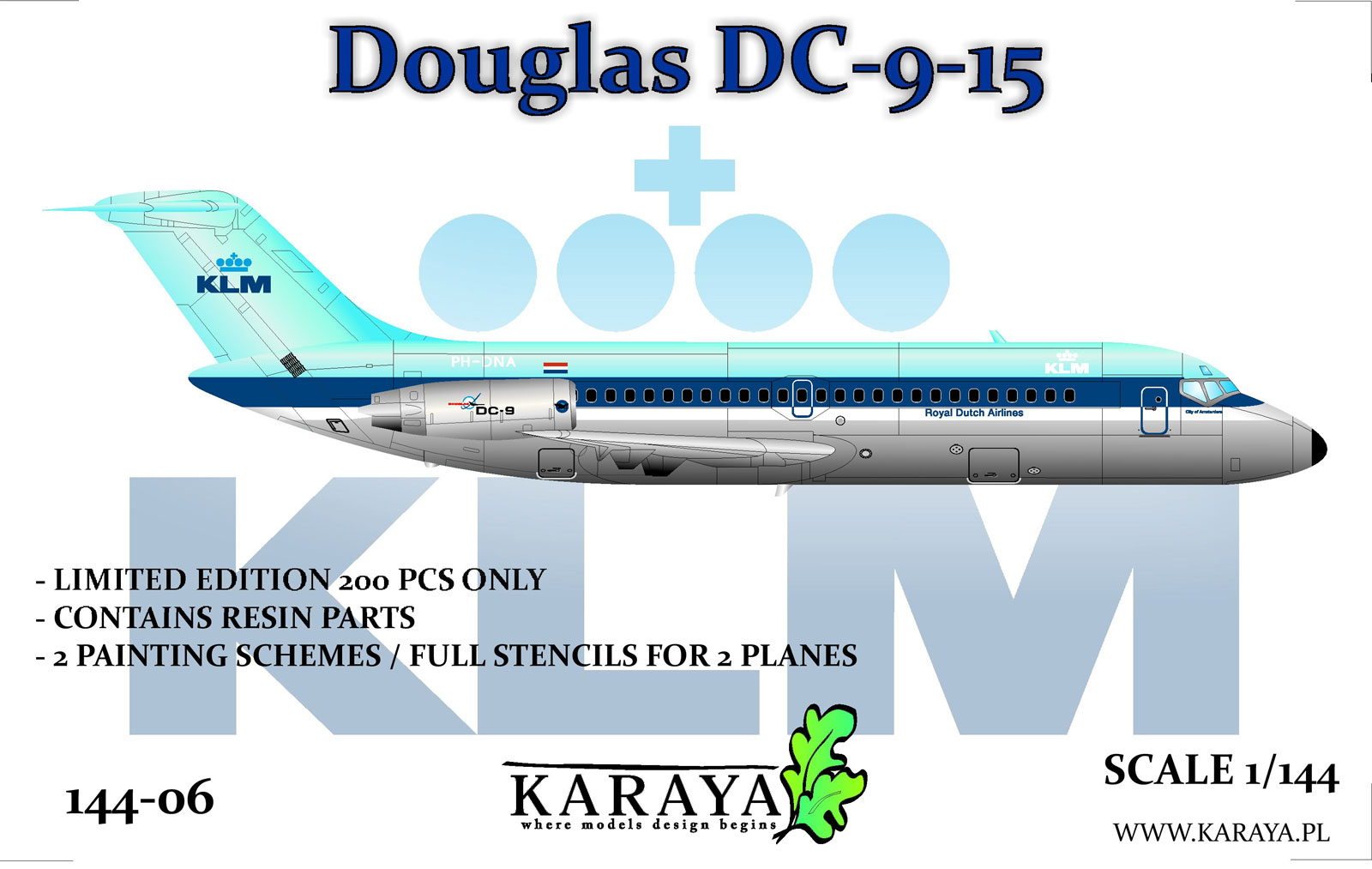
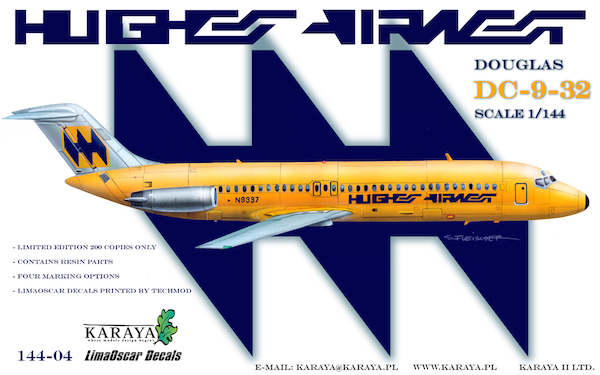
Douglas DC-9-15/32 - plasticparts made in Czechia (Fly). Contains: plastic parts (2 fuselages), resin parts, decals for early type of liveries of OZARK.
Limited edition: 200 pcs. only
Douglas DC-9-15/32 - plasticparts made in Czechia (Fly). Contains: plastic parts (2 fuselages), resin parts, decals for late type of liveries of OZARK.
Limited edition: 200 pcs. only
MDD DC-10-32 -plastic parts made in Ukraine (AMP/Mikromir). Contains: plastic parts, painting mask, decals for 2 liveries of PLL "LOT" (ex-Malaysia Airlines and ex-Finnair).
Limited edition: 100 pcs. only
Douglas DC-9-15/32 limited plastic kit for DC-9 in German service: DC-9-15 Germanair and DC-9-32 Aero Lloyd - plastic is Fly + decals printed by BOA Czech - limited 100 pcs only
London Gatwick Airport Size 675mm x 675mm
Founding and early years
Today, Gatwick airport is one of the United Kingdom's major airport hubs, second only to Heathrow.
Originally, partially the area now occupied by the airport was a racecourse, and was founded in 1891. From 1907, a golf course was added but this closed shortly after the end of the Great War. During the late 1920's the land adjacent to the course was ...
London Heathrow Airport Size 675mm x 675mm
Early Days and the inter-war period
Today, one of the worlds' major airports, and the largest of the six airports surrounding London. Initially the site was located near the village of Heathrow and was known by several titles; the Great West Aerodrome, Heathrow Aerodrome (due to the nearby hamlet of Heathrow), or Harmondsworth Aerodrome (due to it being located in the civil pa...
Norwich Airport Size 675mm x 675mm
Beginnings and the first Norwich Airport
Initially a British Army cavalry training ground, RFC Mousehold Heath was established on the site and was home to a number of Royal Flying Corps units; Nos 18, 37, 85 and 117 Squadrons. In April 1918, RFC Mousehold Heath became RAF Mousehold Heath, and following the war, Boulton & Paul Ltd took over the site as a test facility, although it shou...
Manchester Airport/Manchester International Airport/Ringway Airport Size 675mm x 675mm
Beginning and early days
What is now Manchester Airport traces its ancestry back to the 1930s. Construction of Ringway Airport as it was formerly known, in 1935, and the site partially opened in June 1937 before becoming fully operational in June 1938, officially opening with an air pageant to mark the occasion. The first scheduled fl...
RAF Waddington, Lincolnshire, United Kingdom, 1960s. 225mm(W) x 225mm(H) 9inches(W) x 9inches(H)
RAF Waddington began as a training base for the Royal Flying Corps in 1916. Between this time and 1919, the station was home to a number of squadrons both under RFC, and later, RAF control. Nos. 82, 97, 105, 117 and 123 Squadrons RFC between 1917 and 1918, and Nos. 23, 203 and 204 Squadrons RAF throughout 1919 were based at Wad...
RAF Scampton, Lincolnshire, United Kingdom, 2000-2021- Main runway- blurred. 225mm(W) x 225mm(H) 9inches(W) x 9inches(H)
RAF Scampton's location can trace its ancestry back to the Great War when, named Home Defence Flight Station Brattleby, it served as a landing field for the Royal Flying Corps. From here operated No. 3 Squadron 'A' Flight equipped with the Royal Aircraft Factory F.E.2b albeit briefly in the anti-Zeppelin ...
RAF Scampton, Lincolnshire, United Kingdom, 2000-2021. 225mm(W) x 225mm(H) 9inches(W) x 9inches(H)
RAF Scampton's location can trace its ancestry back to the Great War when, named Home Defence Flight Station Brattleby, it served as a landing field for the Royal Flying Corps. From here operated No. 3 Squadron 'A' Flight equipped with the Royal Aircraft Factory F.E.2b albeit briefly in the anti-Zeppelin role. This unit was fo...
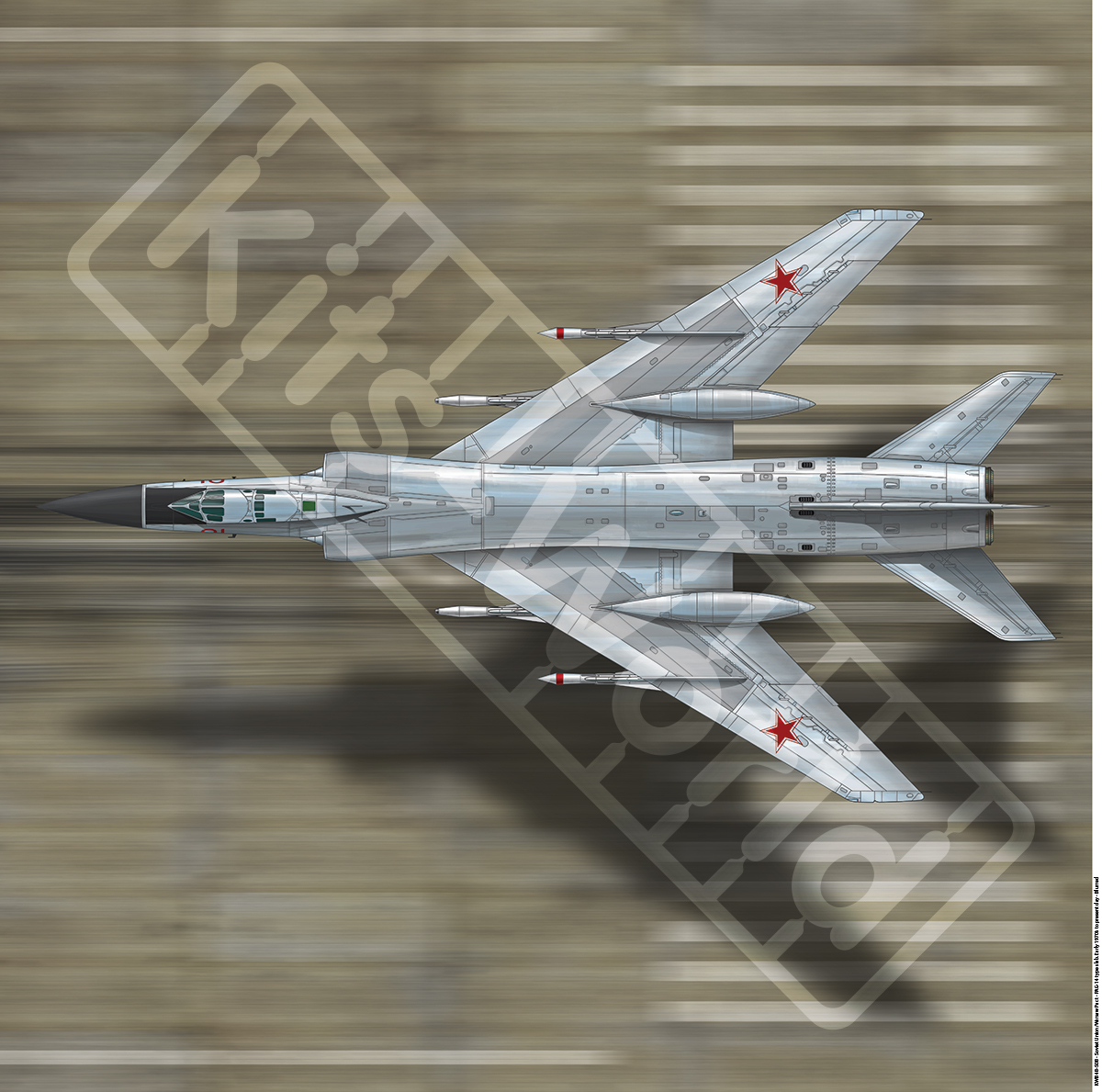
Desert- Blurred. 225mm(W) x 225mm(H) 9inches(W) x 9inches(H)
This base can be used for a number of applications and theatres involving civil and military aviation from the Great War (Egypt, Mesopotamia, Palestine etc), through to the Second World War (Middle East, Persia), the Cold War (Middle East and Iran/Iraq conflicts, Indo-Pakistan conflicts etc), to the present day (Gulf Wars, Middle East wars, United States adversary...




 Advanced Search