Cookies are small text files that are placed on your computer by
websites that you visit. They are widely used in order to make
websites work, or work more efficiently, as well as to provide
information to the owners of the site.
Here is a list of cookies this site uses:
Cookie name
Description
existing_user
Stores the email address used to previously log into the site, used to prefill forms like on the reset password screen
authchallenge
Authentication security checks
hcart
Stores the anonymous customer\'s cart token. If items are added to the card while not logged in, if you log in the items will be added to the customer\'s existing cart
hannants
Stores the session information while you remain on the site
pricer
Stores if the export or eu prices is selected on the catalogue page
hidefilter
Stores if the search filter panel is hidden or shown
AWSELB
Stores which server you\'re connected to so to access the same server while you navigate around the site
Martin Baltimore Mk.I-V 1/48 MASK (designed to be used with Special Hobby kits) Pre-cut paint masks for clear parts and u/c wheels of Special Hobby's 1/48 Baltimore model kits
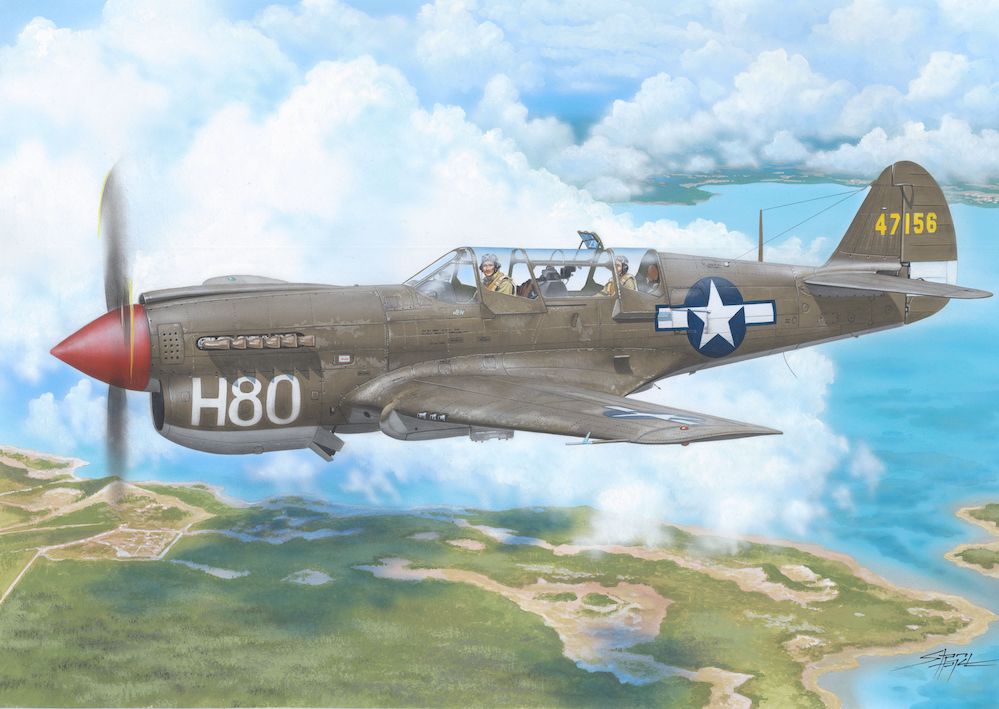
Curtiss TP-40N Warhawk two-seat trainer. The American P-40 Warhawk fighter is one of the iconic types of World War II. It was also supplied to the Allies, named the Kittyhawk. The P-40N version is the last mass-produced version. A limited number of this version were converted into a two-seat fighter trainer. The instructor's cockpit was situated behind the original pilot's cockpit. Due to the limited visibility, the instructor...
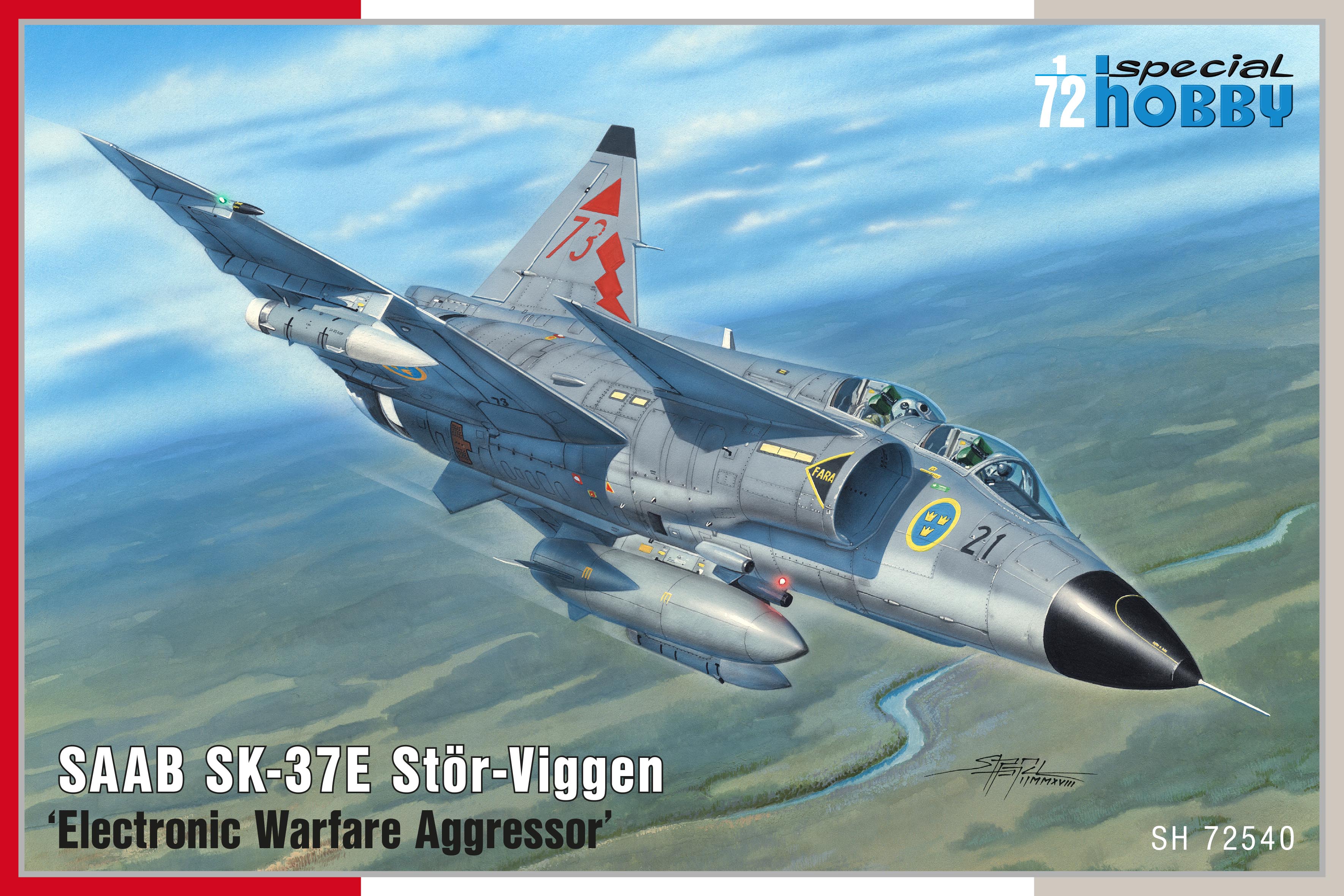
Saab SK-37E Stor-Viggen The SAAB 37 Viggen is an aircraft that was ahead of its time. The unorthodox solutions chosen by its designers not only allowed the Viggen to meet the requirements placed on it, but in some parameters to surpass them. The Swedish Air Force ordered the Viggen in several versions, with the basic design of the aircraft forming a universal platform, which, supplemented with special equipment, allowed it to ...
Aero A-12 'the First of the Family' USUALLY £19.80. TEMPORARILY SAVE 1/3RD!!! The Aero A-12 was developed by Ing.Husn�k, the chief designer at the Aero factory in 1923 and was introduced to the Czechoslovak Air Force a year later. And it was just the same year that the A-12 did very well during the 2nd Speed Race for the President of the Republic Trophy. Three of the A-12s set world records in the race, the first ones to be a...
Aero A-11HS 'Finnish Export Version' USUALLY £19.80 TEMPORARILY SAVE 1/3RD!!! 1/72
In 1925, Finland bought a dozen of Aero A.11 observation and light bomber biplanes. This meant one of the first export success of the Czechoslovak aviation industry. The Finnish version differed from Czech Aero A.11s by having the more powerful Hispano Suiza engine fitted.
The kit comes on three styrene sprues, two clear ones and a few (3D-P...
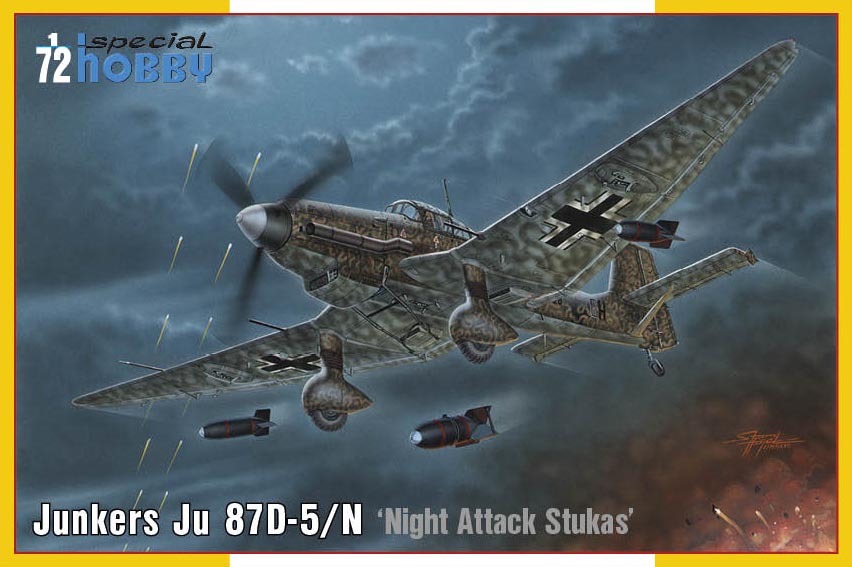
Junkers Ju-87D-5/N 'Night Attack 'Stuka'High quality Academy Junkers Ju-87G-2 styrene parts are now joined by our own designed and made styrene conversion parts, etches and resin parts, all of which gives you the very welcomed opportunity to turn the original Academy kit into the D-5/N/D-8 varieties. And at the same time, those new styrene parts also correct the very few mistakes which can be found in the kit. This version, wh...
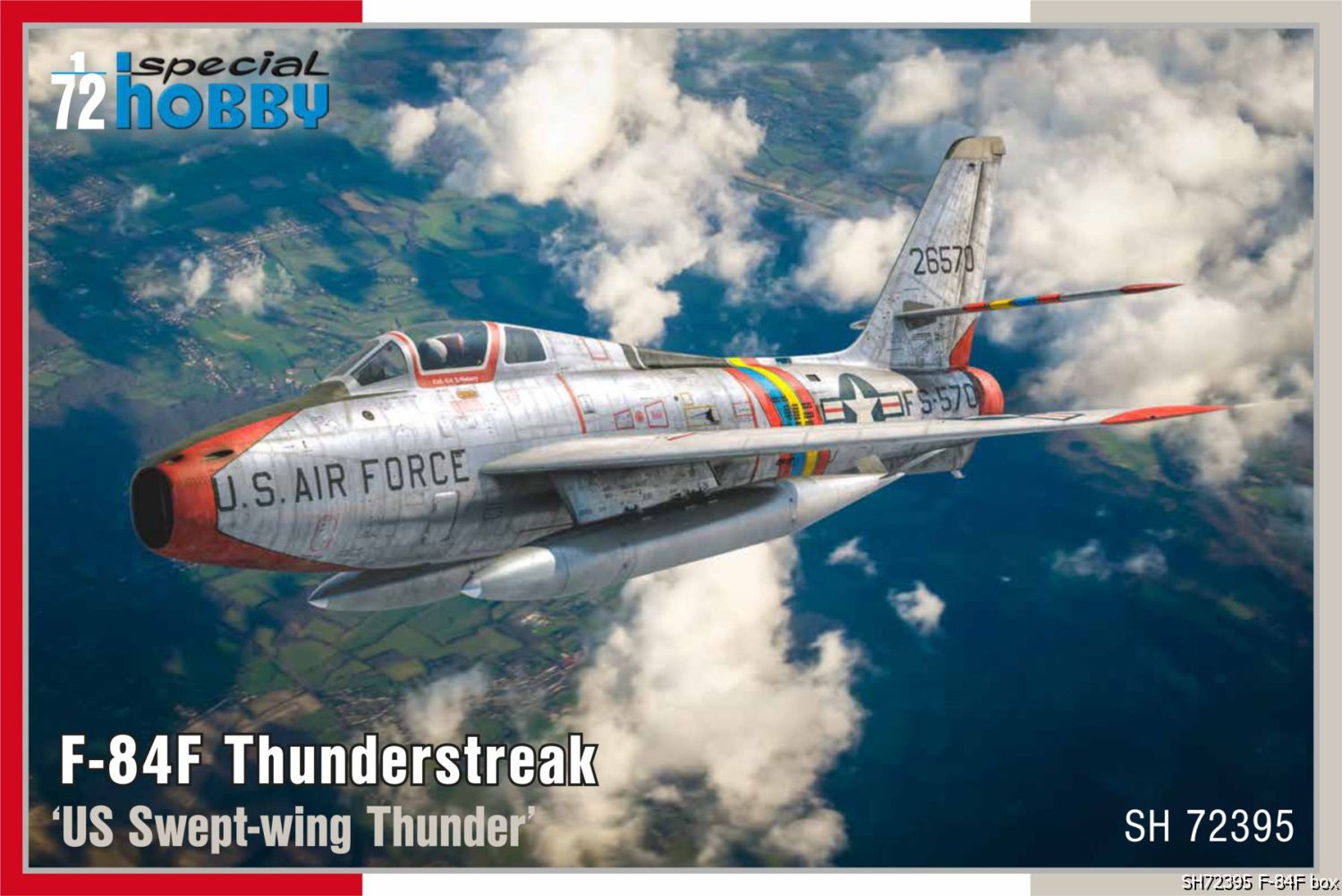
RE-RELEASED!!! Republic F-84F Thunderstreak The swept-wing jet fighter was a development of the Republic F-84G straight wing aircraft. Using a wing with the sweep along with a more powerful jet engine improved the performance to that of the F-86 Sabre. At first, the F-84F experienced several trouble with their power units, manoeuvrability as well as with corrosion. Later, after the outbreak of the Berlin Crisis and subsequent ...
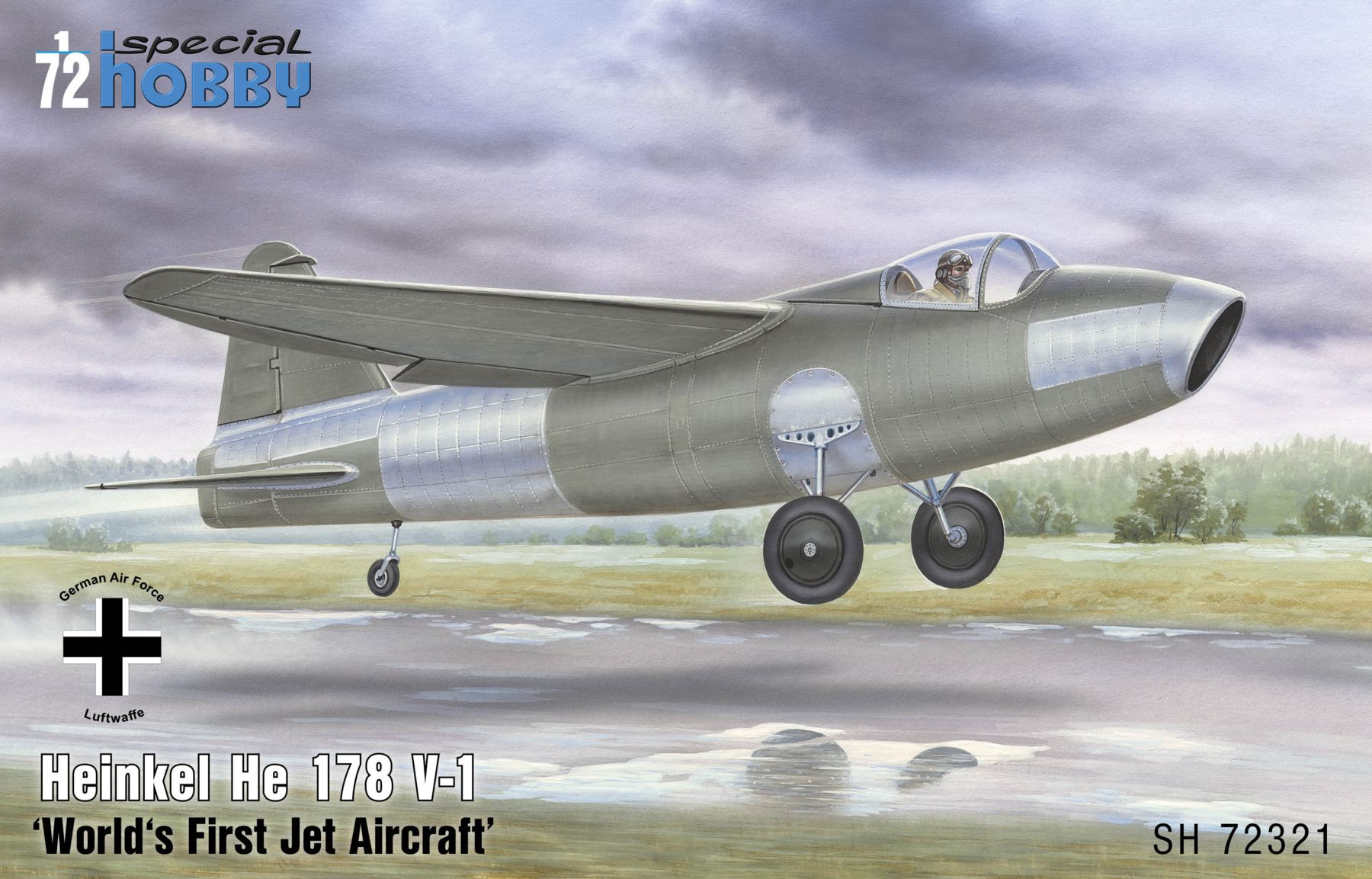
Heinkel He-178V-1 "World's First Jet" The Heinkel He 178V-1 was the world's first jet aircraft. In 1936, Ernst Heinkel employed Dr. Hans J. Pabst von Ohain and his assistant Max Hahn in his factory. They worked on a fundamentally new aircraft propulsion system, the jet engine.
In September 1937, the first prototype jet engine, the HeS 1, was tested on a test bench. Although the engine ran on hydrogen and had no thrust control...
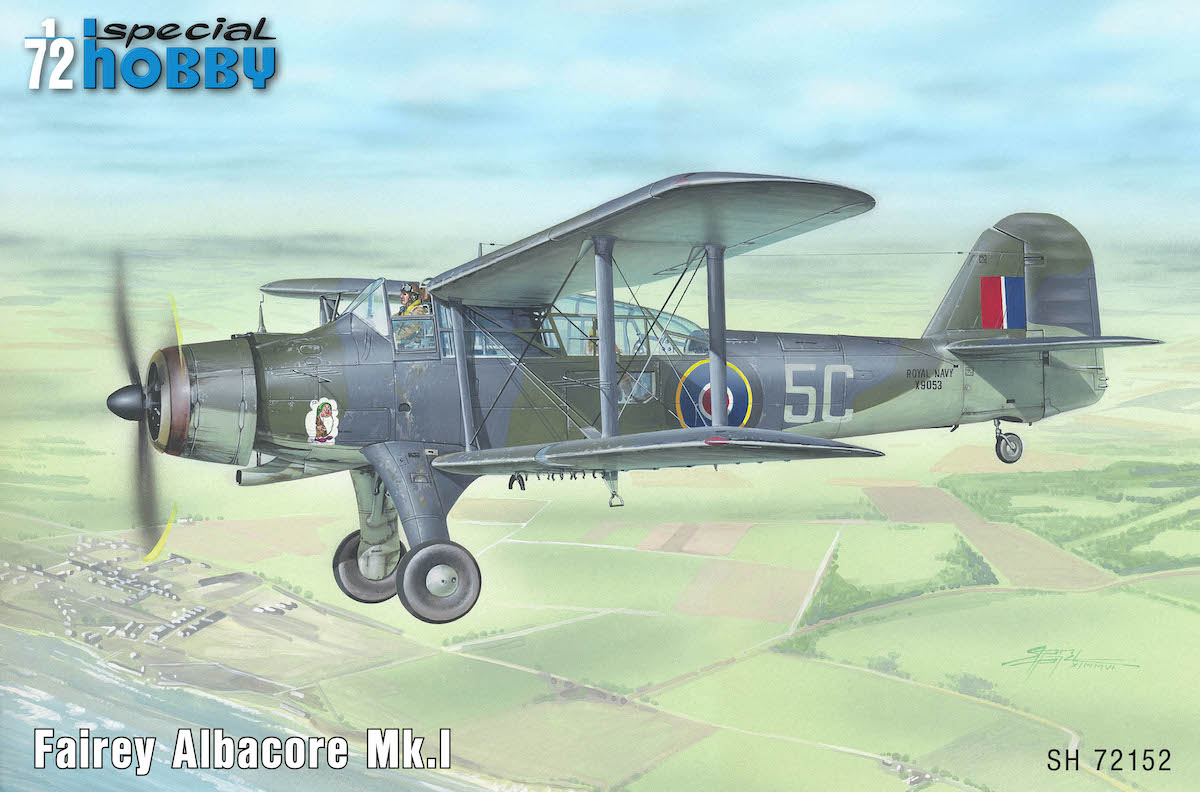
Fairey Albacore Mk.I/II The Fairey Albacore was the last biplane bomber to enter service with the British FAA. The aerodynamically refined biplane was intended to replace the older Swordfish biplanes. Like its predecessor, it was intended for torpedo and bombing attacks from horizontal and dive flight and for reconnaissance. The crewof three sat in the all-metal fuselage under a large canopy.
The Albacore entered service in ...
L-4/NE-1 Grasshopper 'Pacific Warriors' 1/48
The US Marines, US Army, RAAF and the Royal Netherlands East Indies Army Air Force (ML-KNIL), these are the operators we have picked for our new release of the L-4 Grashopper kit. The US Marines machine sported blue over grey scheme, while the other scheme in the kit have the more usual Olive Green on the upper surfaces with the same grey below. The US Marines, US Army and RAAF ma...
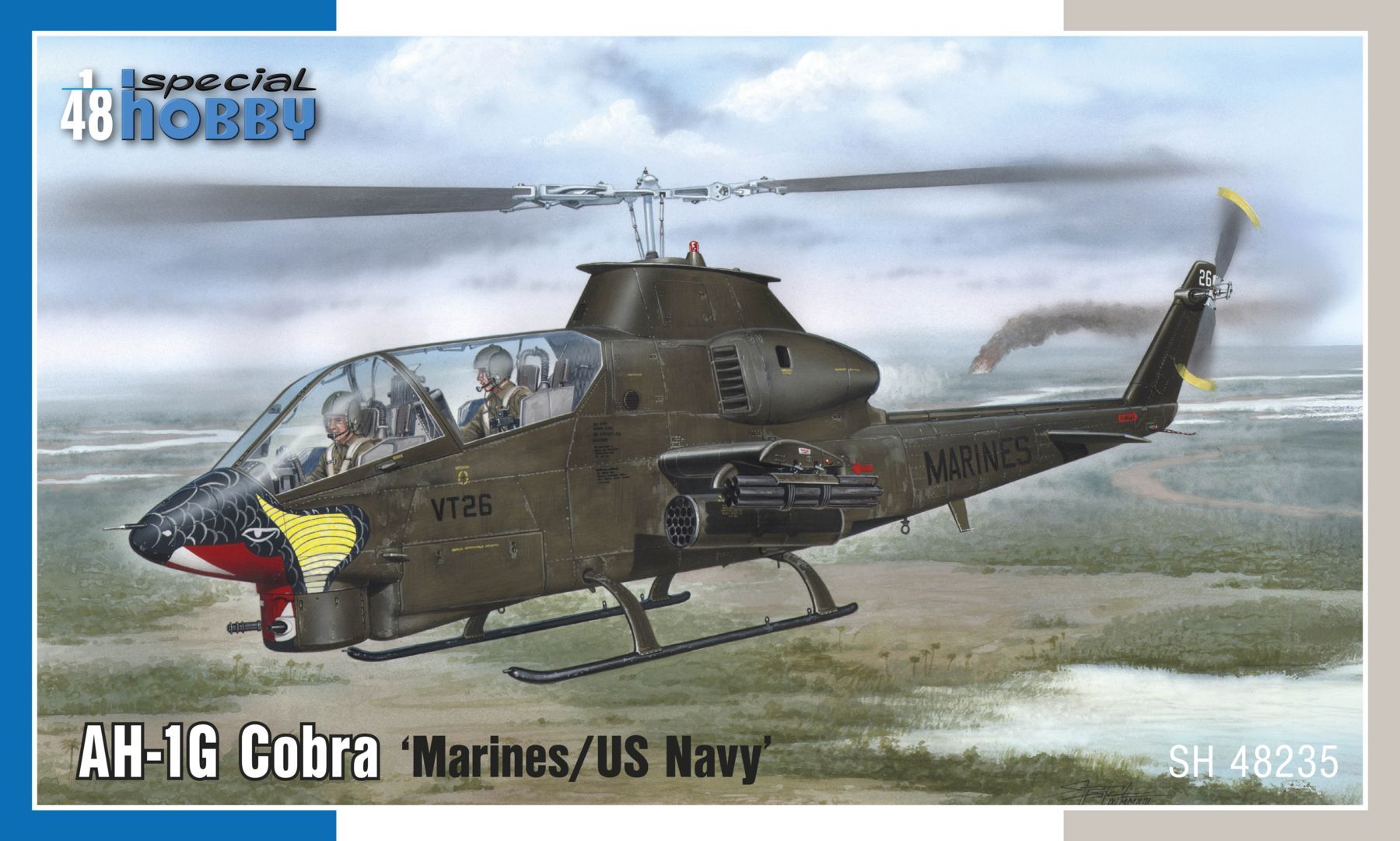
Bell AH-1G Cobra 'Marines / US Navy' USUALLY £39.60. TEMPORARILY SAVE 1/3RD!!!
In the US Marine Corps and the Navy, there were much less AH-1G Cobras than in the US Army. And even so, Marine Cobras fought in Vietnam and as well as the Navy machines, they wore attractive colour schemes. Those of you who fancy naval machines will now have a nice and welcome chance to build such Cobra helicopter model using our new boxing whic...
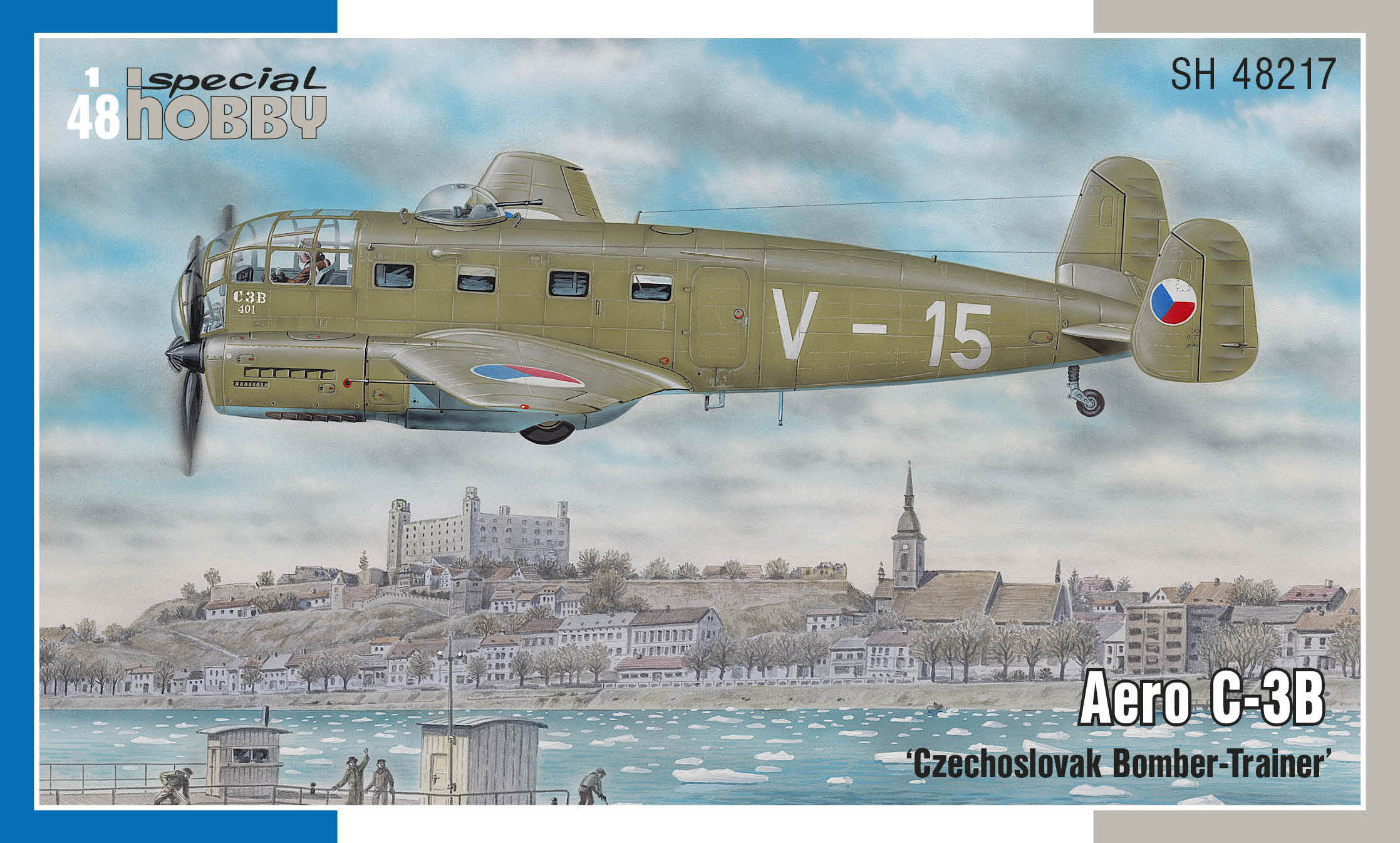
Aero C-3B 'Czechoslovak Bomber-Trainer' WAS £49.50. TEMPORARILY SAVE 1/3RD!!! T The Siebel Si 204A and Si 204D were the transport training versions of the twin-engined aircraft designed and built for the Lufthansa and, mainly, for the Luftwaffe. A bomber trainer version was also built during the war which was capable of taking night bombing missions, too. Known as the Si 204E, two prototype machines were built and a small batc...
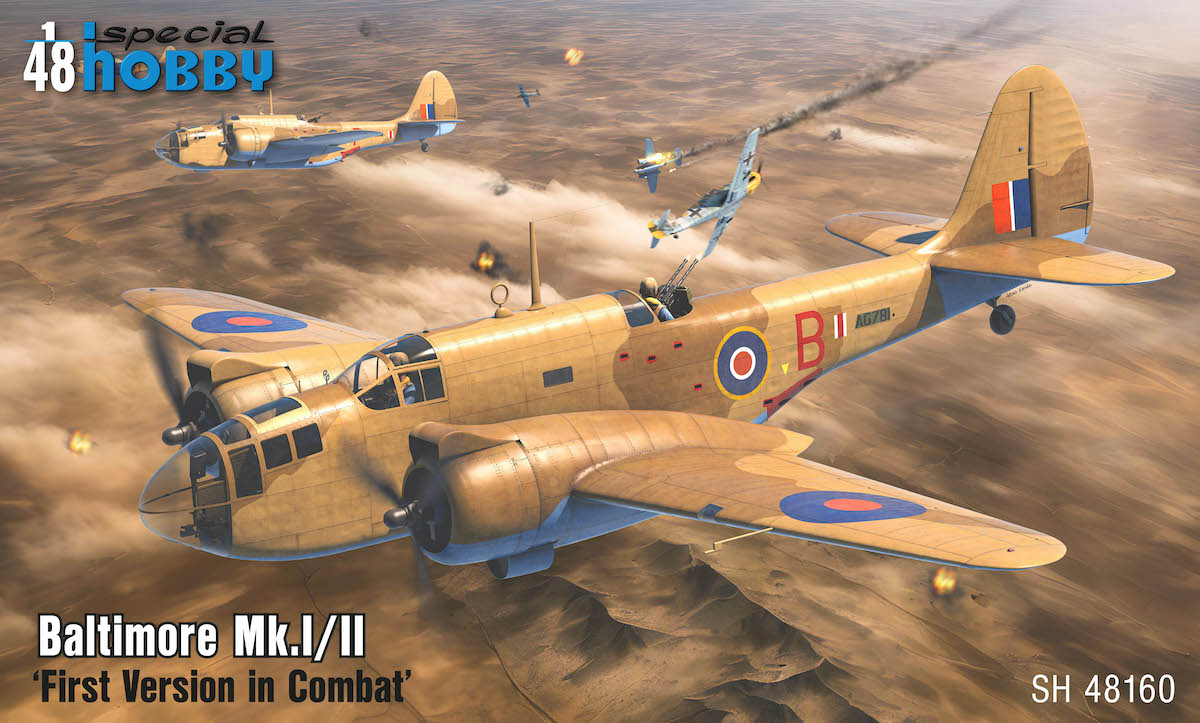
Martin Baltimore Mk.I/II 'First Version in Combat' Before the outbreak of World War II, the Martin company took part in a competition announced by the USAAF for a new modern attack aircraft. The competition was won by Douglas with its DB-7 (later A-20 Havoc/Boston) and North American with the NA-40 (developed into the B-25 Mitchell). Martin played the role of third in the rear. Although the USAAF was not interested in its 167/...
RE-RELEASED!!! Grumman AF-2W Guardian "Submarine Hunter'. Hunter version of the Guardian model consists of seven plastic sprues, clear injected parts, resin and PE-parts. The decals provide markings for two machines, the first serving aboard USS Bairoko, the other flew from USS Badoeng Strait. During the 1950s, AF-2 Guardian anti submarine aircraft were operating from the decks of U.S. Navy aircraft carriers in Hunter Killer p...
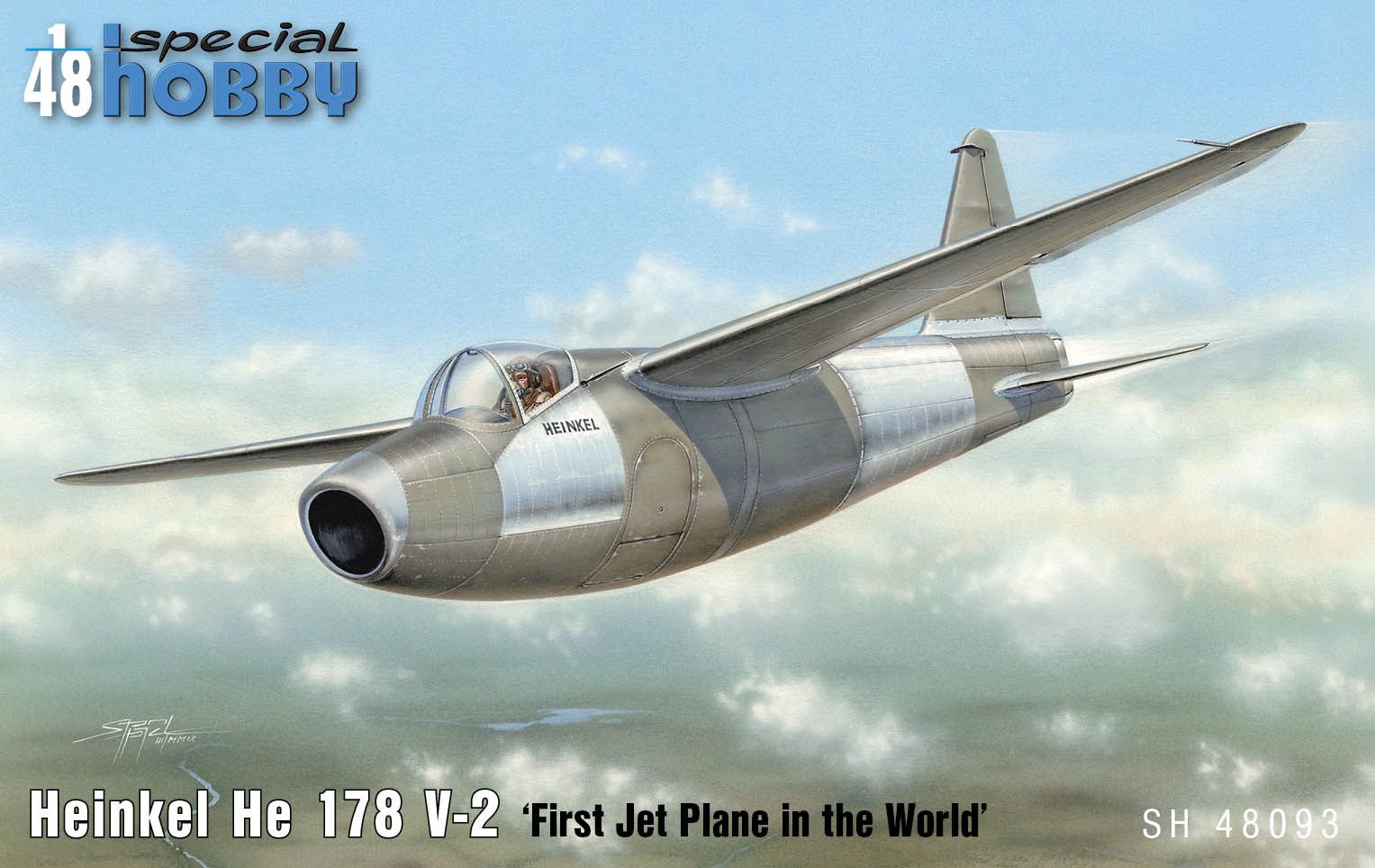
RE-RELEASED!!! Heinkel He-178V-2 The Heinkel He-178 with E. Warsitz at the controls hopped shortly above the runway for the first time on 24 August, 1939 and the real first flight took place only three days later. These were the very first flights of a jet aircraft in the world. On 1 November, while the test flights were being still in progress, the aircraft was displayed to RLM officials. Later on, the aircraft received more ...
RE-RELEASED!!! Martin Mk.I / Mk.II Maryland 'Warburtons War' The Martin 167 medium bomber was manufacured in the USA, however it has never been used by the US military. On the other hand, overseas, the French and British showed their interest in the type and placed the orders. In Britain, the type received the name Maryland and while the French aiframes arrived in time to get involved in defending France in 1940, the British o...




 Advanced Search