Cookies are small text files that are placed on your computer by
websites that you visit. They are widely used in order to make
websites work, or work more efficiently, as well as to provide
information to the owners of the site.
Here is a list of cookies this site uses:
Cookie name
Description
existing_user
Stores the email address used to previously log into the site, used to prefill forms like on the reset password screen
authchallenge
Authentication security checks
hcart
Stores the anonymous customer\'s cart token. If items are added to the card while not logged in, if you log in the items will be added to the customer\'s existing cart
hannants
Stores the session information while you remain on the site
pricer
Stores if the export or eu prices is selected on the catalogue page
hidefilter
Stores if the search filter panel is hidden or shown
AWSELB
Stores which server you\'re connected to so to access the same server while you navigate around the site
Latecoere 298 float plane. (Special Hobby sold out July 2024) The Latecoere 298 was a French torpedo bomber and anti-submarine floatplane. It also was one of the most efficient French aeroplanes, built in 1939 and introduced to service a year later. Late 298 aircraft fought in the 1940 Battle of France, served with the Vichy regime, captured aiframes were even put to use with the German Luftwaffe and one of them was later capt...
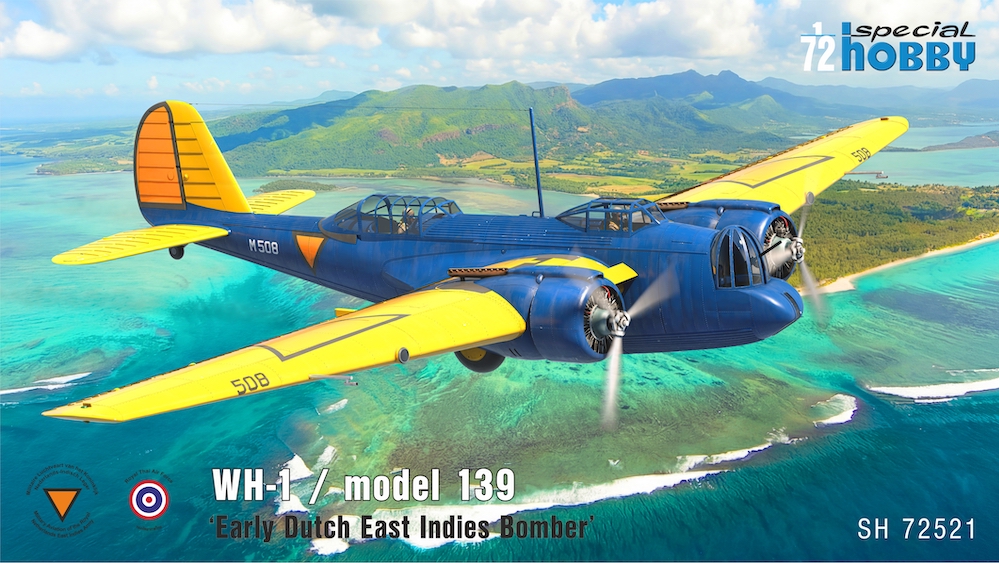
model 139/WH-1 'Early Dutch East Indies Bomber' The Martin company started the revolution in aircraft construction with their Model 139 bomber that was also designated by the USAAF B-10, B-12 or B-14 depending on the engines used. In the early 1930s, the air was dominated by fabric-covered biplanes and then suddenly an all-metal monoplane appeared, with closed crew cockpits and cowled engines. Those new bombers were not only f...
External armament for Dassault SMB-2 Super Mystere and other IAF planes (designed to be used with Special Hobby kits) Two styrene sprues that contain armament used on IAF Super Mystere SMB.2 jets as well as on other aircraft of the period-two 250kg bombs, two napalm bombs each with the respective pylons, two quadruple racks with eight 100kg bomblets and a pair of Shafrir 2 AAMs with launchers and pylons.
Aero A-11HS 'Finnish Export Version' USUALLY £19.80 TEMPORARILY SAVE 1/3RD!!! 1/72
In 1925, Finland bought a dozen of Aero A.11 observation and light bomber biplanes. This meant one of the first export success of the Czechoslovak aviation industry. The Finnish version differed from Czech Aero A.11s by having the more powerful Hispano Suiza engine fitted.
The kit comes on three styrene sprues, two clear ones and a few (3D-P...
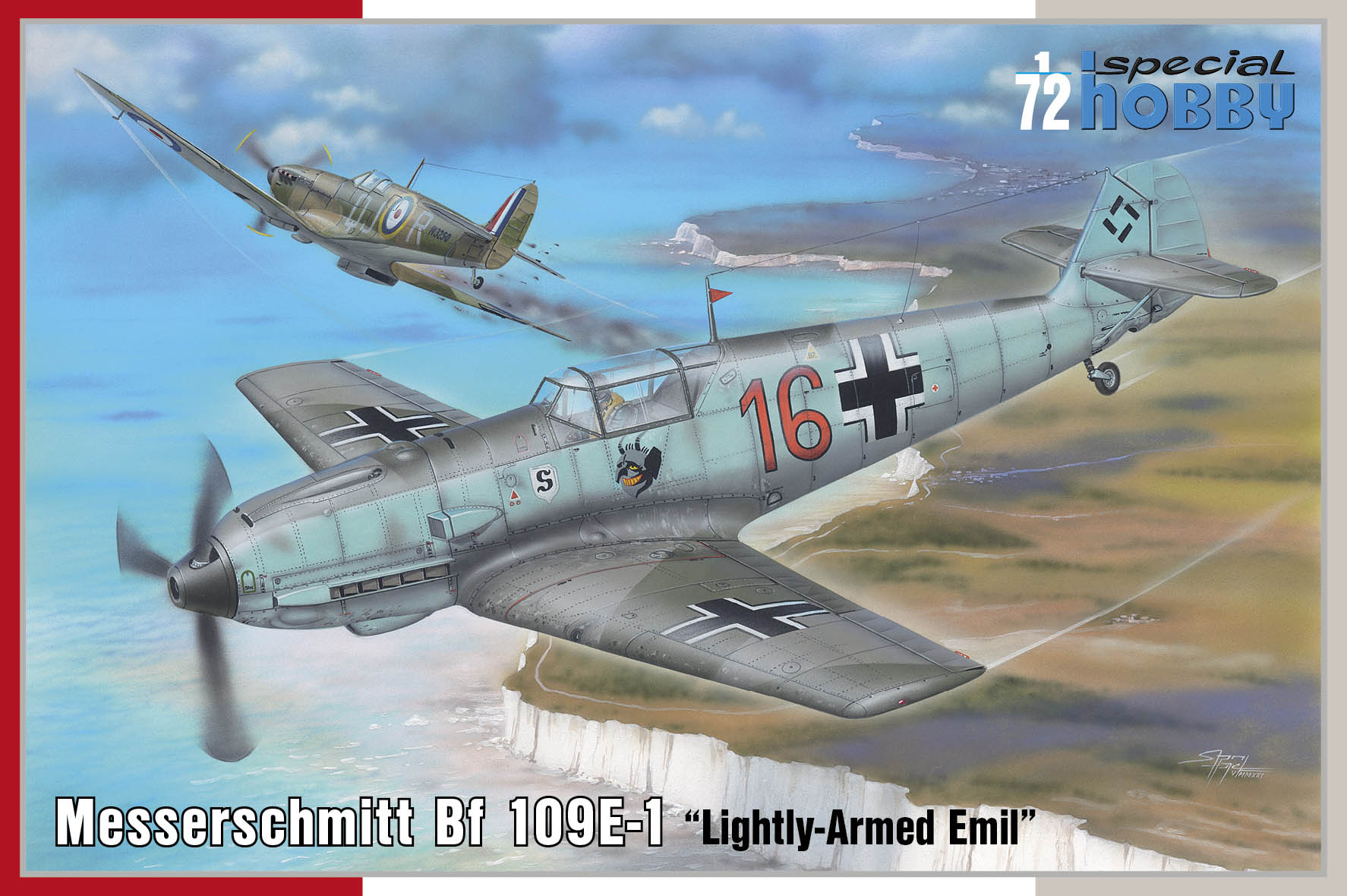
Messerschmitt Bf-109E-1 'Lightly-Armed Emil'. In the first two years of World War Two, the Messerschmitt Bf-109E was arguably among the top fighter aeroplanes of the world, if not the very best of them. The type was produced in two major varieties differing by their armament " the so-called lightly-armed type and those with heavier punch. The former was fitted with four machine guns, two of them above the engine, the other two...
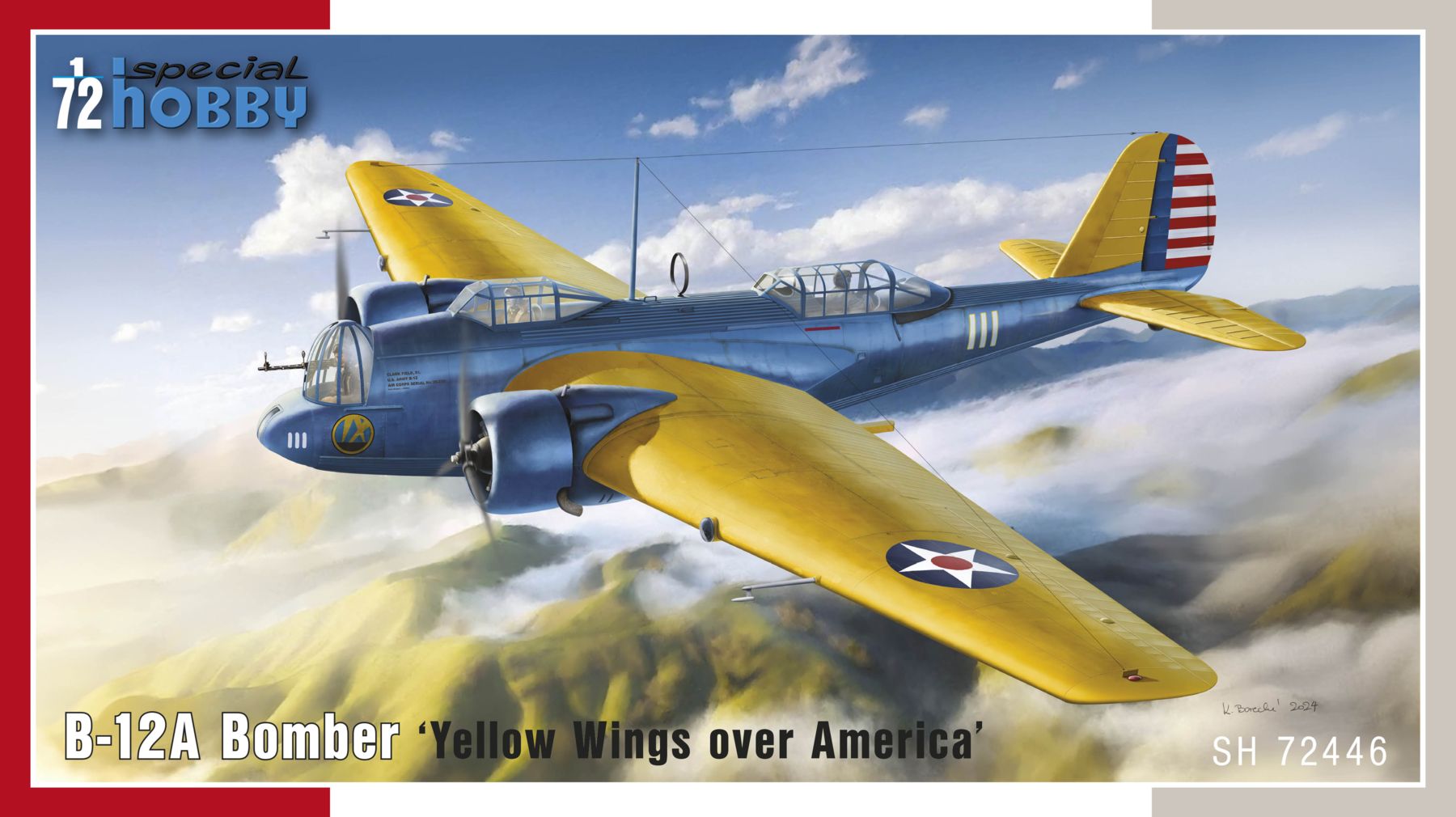
Martin B-12A US Bomber The Martin company started a revolution in aircraft design with its bomber family B-10, B-12 and B-14, the designation varied because of the engines used. In the early 1930s when fabric-skinned biplanes ruled the skies, an all-metal monoplane suddenly appeared, with closed cockpits and engines completely hidden in their cowlings. Not only were these new bomber aeroplanes faster than other bombers of the ...
British Post-war Underwing Armament A sprue with two styrene bombs with their racks and four pairs of rocket projectiles, suitable for various British late-war and immediately post-war aircraft.
Universal armament of 1945/55 British warplanes
Focke-Wulf Fw-189B-0/B-1 'German Trainer' The twin-boom Focke-Wulf Fw 189, it is not just the reconnaissance Fw-189A version. Along with ground attack prototypes, also a batch of Fw 189B training aeroplanes was built. These differed from the others by having a streamlined fuselage pod housing a crew of five. Also the undercarriage and some features on the engine nacelles were of a different style.
Some time ago, this model w...
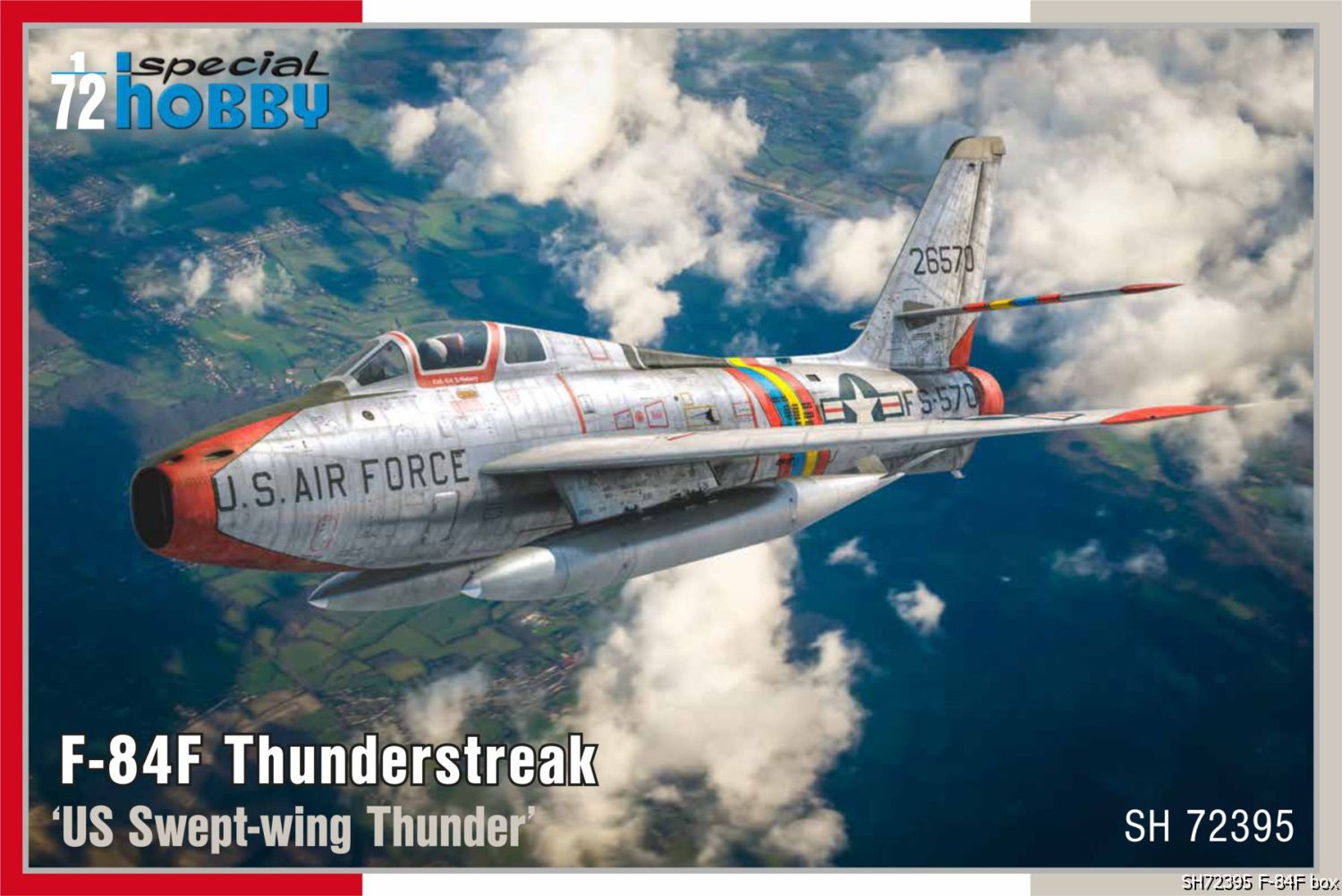
Republic F-84F Thunderstreak The swept-wing jet fighter was a development of the Republic F-84G straight wing aircraft. Using a wing with the sweep along with a more powerful jet engine improved the performance to that of the F-86 Sabre. At first, the F-84F experienced several trouble with their power units, manoeuvrability as well as with corrosion. Later, after the outbreak of the Berlin Crisis and subsequent need to make th...
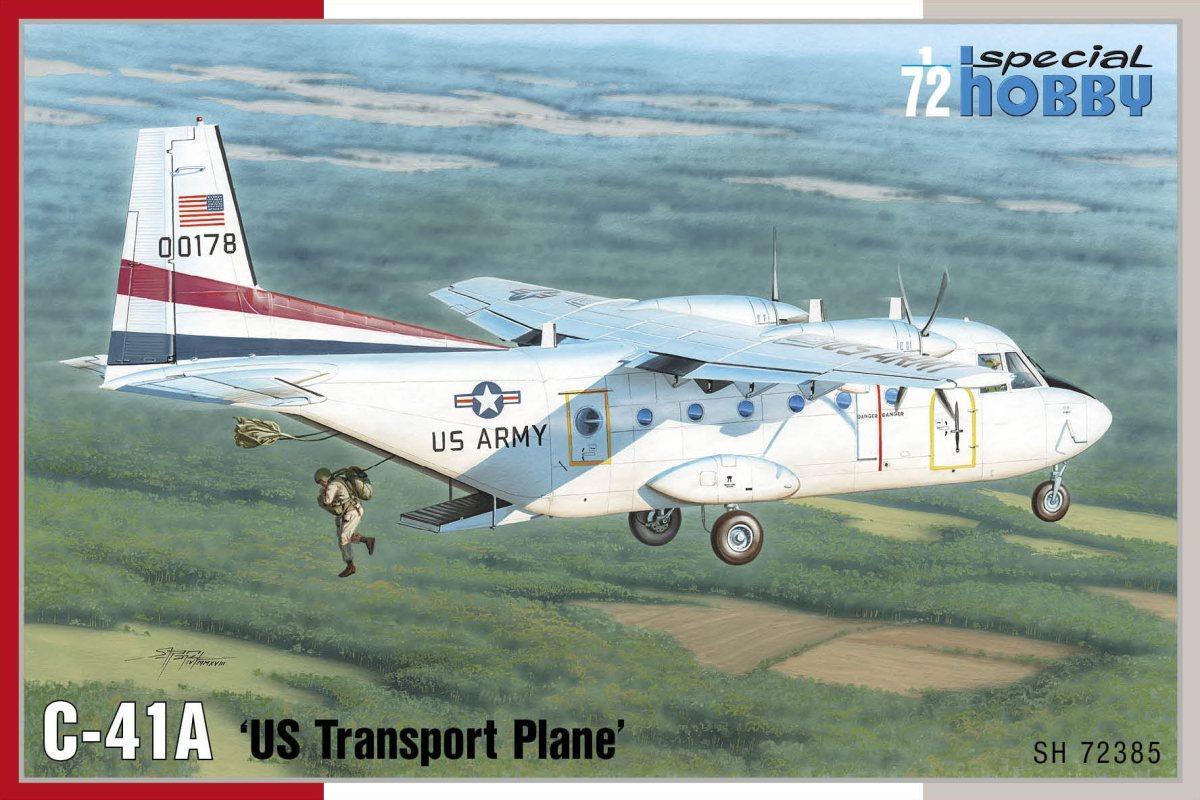
C-41A US Transport plane In the late 1960s, the Spanish Air Force, or Ejercito del Aire, was seeking a new transport aircraft. In order to meet the air force's needs, Spanish company CASA proposed a twin-engined, turboprop-powered, high-wing, non-retractable undercarriage cargo aircraft with STOL capabilities. The project known as the CASA C-212 Aviocar was eventually accepted and a pair of prototype machines took off for the ...
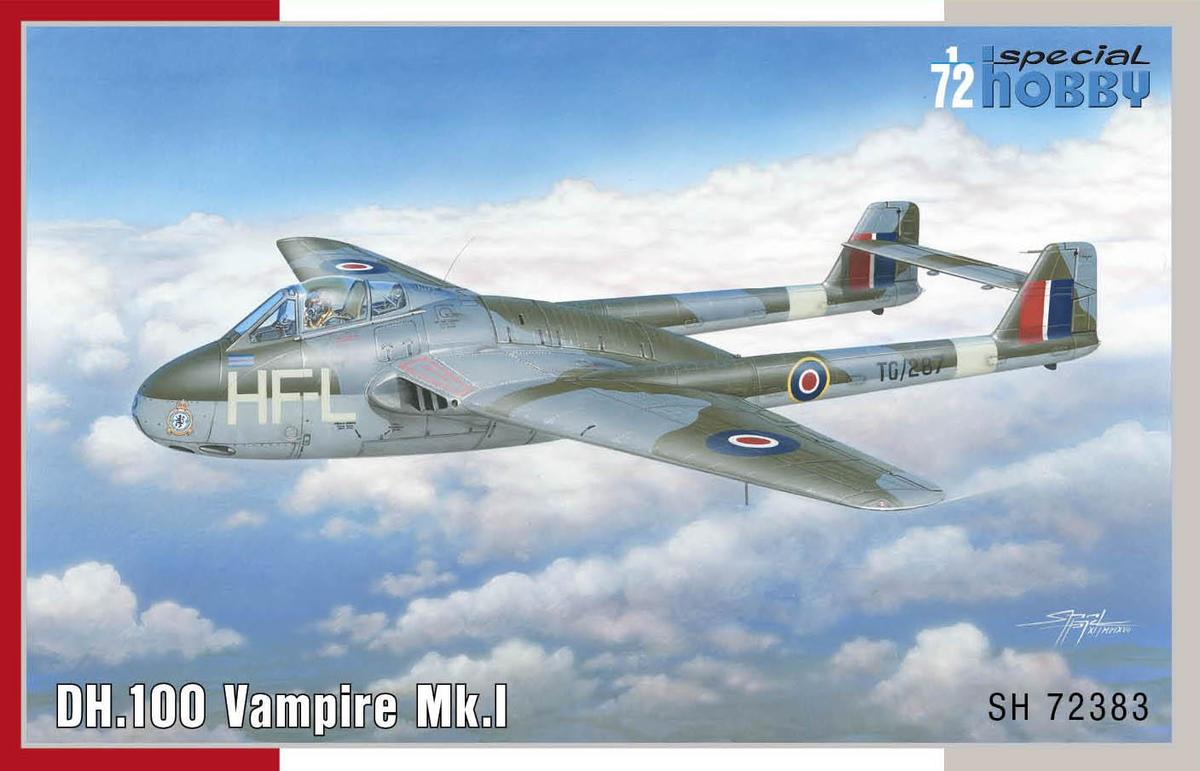
de Havilland Vampire Mk.1 'RAF, RAAF and Armee de l'Air. Development of jet fighter later to be named Vampire began in 1941 and related closely with development of H-1 jet engine, for which the engine section of de Havilland company was responsible. The engine was known later under its new name Goblin and its development was very successful. The Vampire was therefore ordered under Air Ministry specification E6/41 for an experi...
Dassault_Mirage IIICJ The Mirage IIICJ became the symbol of the Israeli air superiority during the wars with the neighbouring Arab countries. The Mach Two, high performance, delta wing fighter aeroplanes were produced by French Dassault, but the Israeli CJ version differed from the airframes built for the French military by not being fitted with the rocket booster motor. The Israeli Mirages took part in the War over Water, Six...
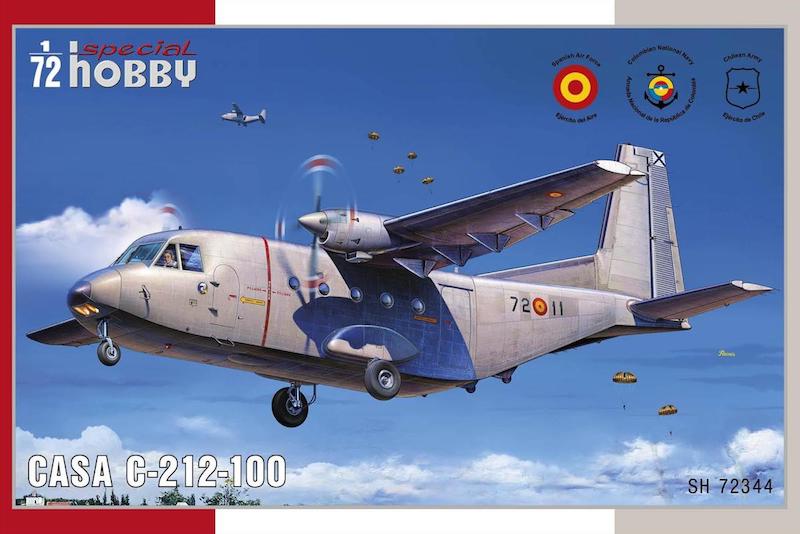
NEARLY GOOD AS NEW!!!! CASA C-212-100 In the late 1960s, the Spanish Air Force, or Ejercito del Aire, was seeking a new transport aircraft type which was to replace outdated types such as the three-engined Ju-52, which had been used since the 1930s, so specifications for the new transport and multi-purpose aircraft were issued. In order to meet the air force's needs, Spanish company CASA (Construcciones Aeronauticas SA) propos...
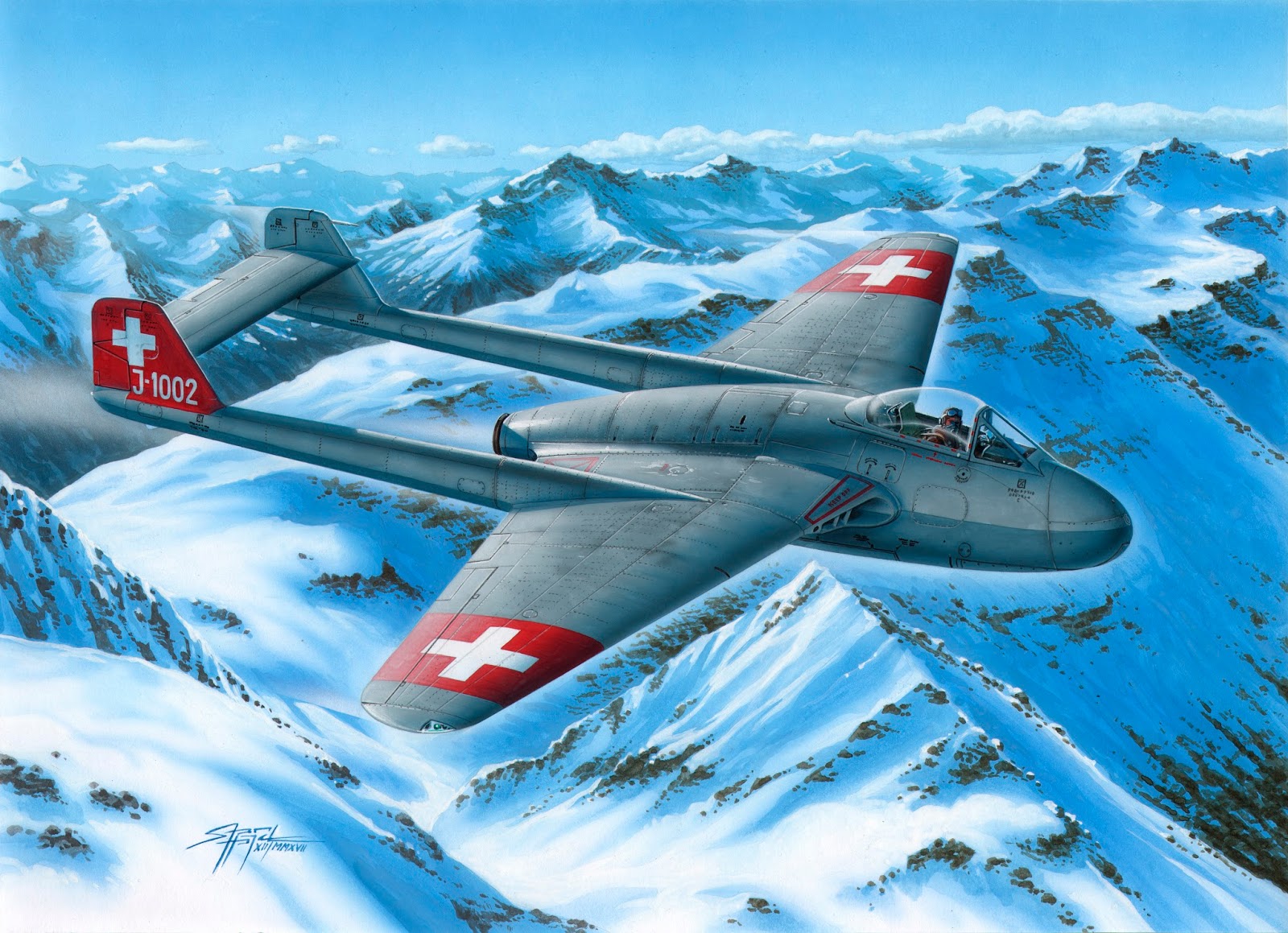
de Havilland Vampire Mk.1 Development of a jet fighter later to be named the Vampire began in 1941 and related closely with the development of the H-1 jet engine, for which the engine section of de Havilland company was responsible. The engine was later to be known under its new name Goblin and its development turned out to be very successful. The Vampire was therefore ordered under Air Ministry specification E.6/41 calling fo...
Letov S.328V "floatplane Version" The Czechoslovak military aircraft factory, also known under Letov trade mark was one of the most important suppliers of warplanes for the Czechoslovak Army. At the end of the 1930s, Letov was producing mainly the .328 type which was a multi-purpose biplane, its first batch being ordered by the military as early as in 1934 and delivered a year later. Seven further batches followed, the last of...
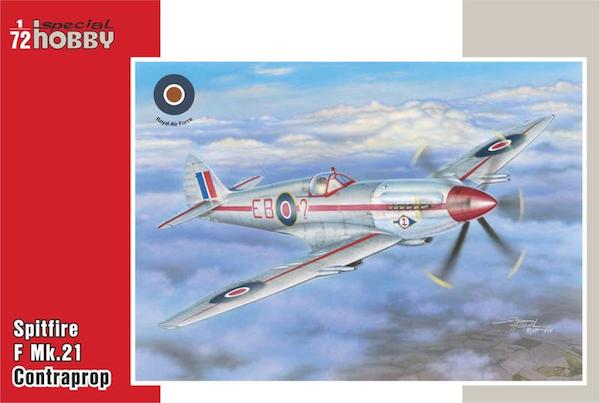
NEARLY GOOD AS NEW!!! Supermarine Spitfire F Mk.21 "Contraprop" The first version of the Spitfire that had completely redesigned wing was the Spitfire Mk.21.
The changes in its construction were so important that a new name Victor had been also considered. Design work on this plane were commenced in 1942 and in the beginning of 1945 the first production aircraft were issued to No.91sqn. After the war, the Spitfire Mk.21 enjoy...
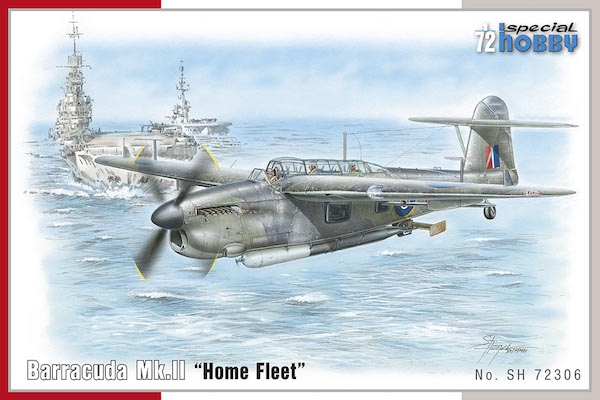
RE-RELEASED!!! Fairey Barracuda Mk.II Home Fleet The Barracuda carrier-borne torpedo and dive bomber aircraft was already kitted by our company many years ago, in a shape of the then-standards for short-run models. Now we would like to bring you something really completely different. This new Barracuda kit is being made using three all-metal mould tooling blocks and its highly detailed grey styrene plastic parts will be accomp...
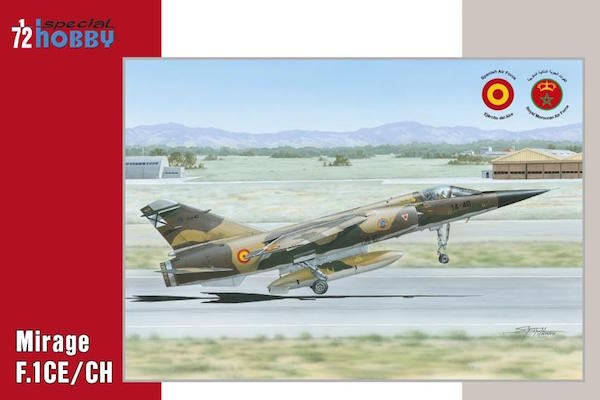
Dassault_Mirage F.1CE/CH The Mirage F.1C came to being as a private venture of the French Dassault company. The French Air Force, or the Arm�e de l'Air, had ordered two prototype aircraft named Mirage F.2 and Mirage F.3 which were to be equipped with a JTF10 engine. However, Dassault built on their own expenses yet another prototype, smaller than the two previous and fitted with an Atar 9K power plant. This machine, which was ...
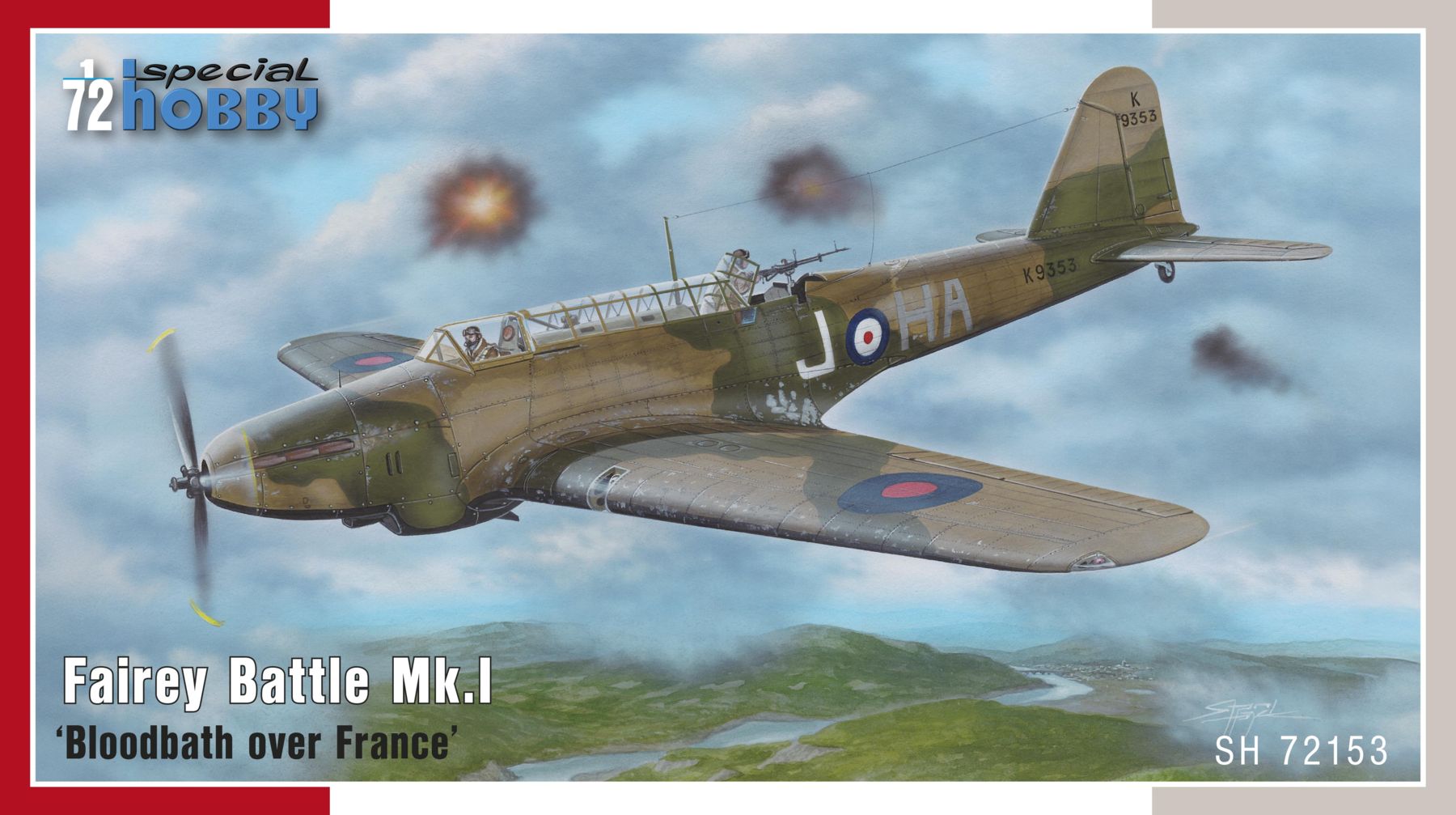
Fairey Battle Mk.I 'Bloodbath over France'
The Fairey Battle was ordered by the British Air Ministry to replace the Hawker Hart biplanes. It was one of the first modern low-wing aircraft to enter service with the RAF that began receiving the Battle in 1937. The Battle was elegant and pleasant to fly, but it was underpowered. One Merlin engine alone was simply lacking power for such a large aircraft. This was clear even befo...
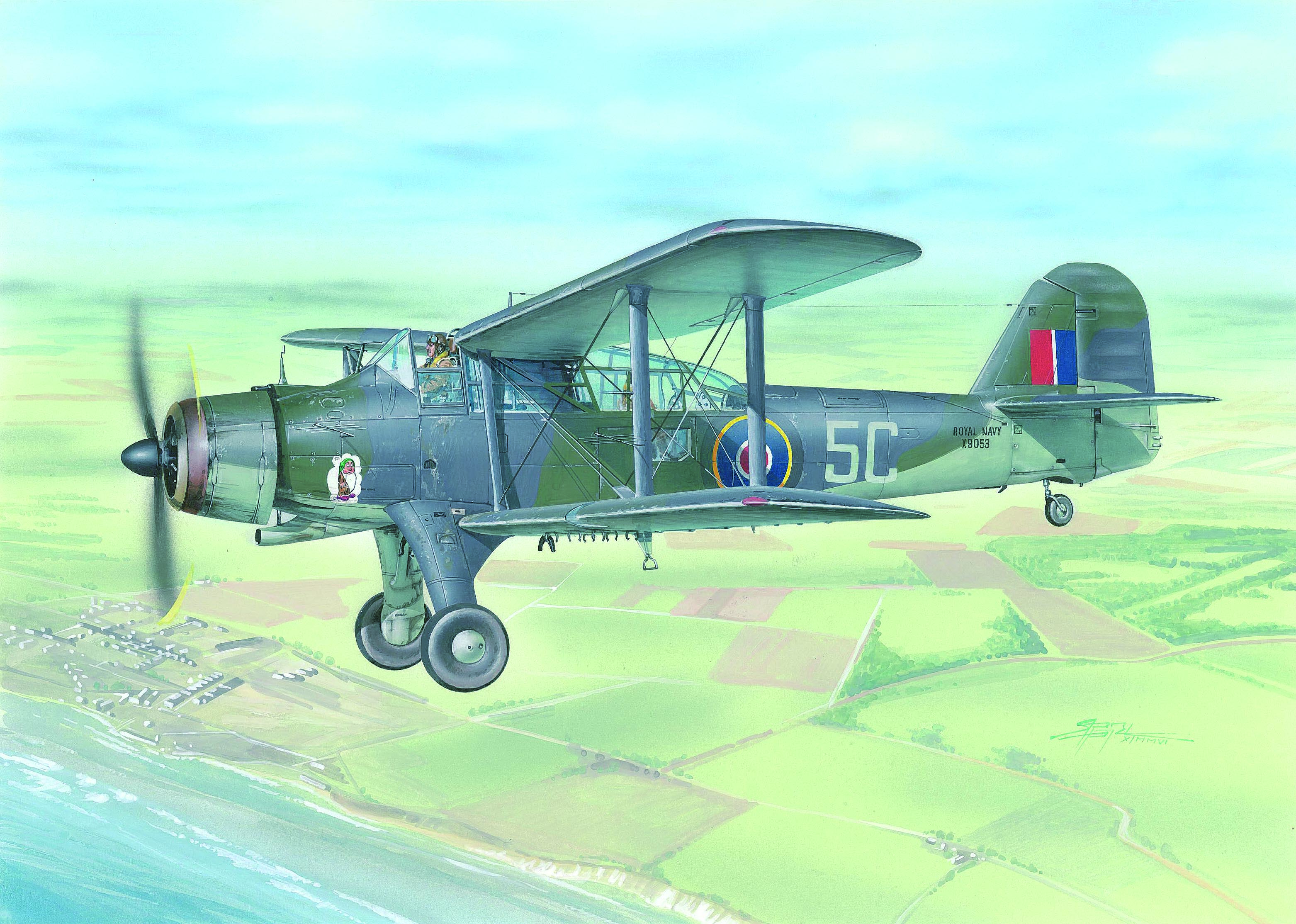
Now Expected late August! Fairey Albacore Mk.I/II The Fairey Albacore was the last biplane bomber to enter service with the British FAA. The aerodynamically refined biplane was intended to replace the older Swordfish biplanes. Like its predecessor, it was intended for torpedo and bombing attacks from horizontal and dive flight and for reconnaissance. The crewof three sat in the all-metal fuselage under a large canopy.
The Al...
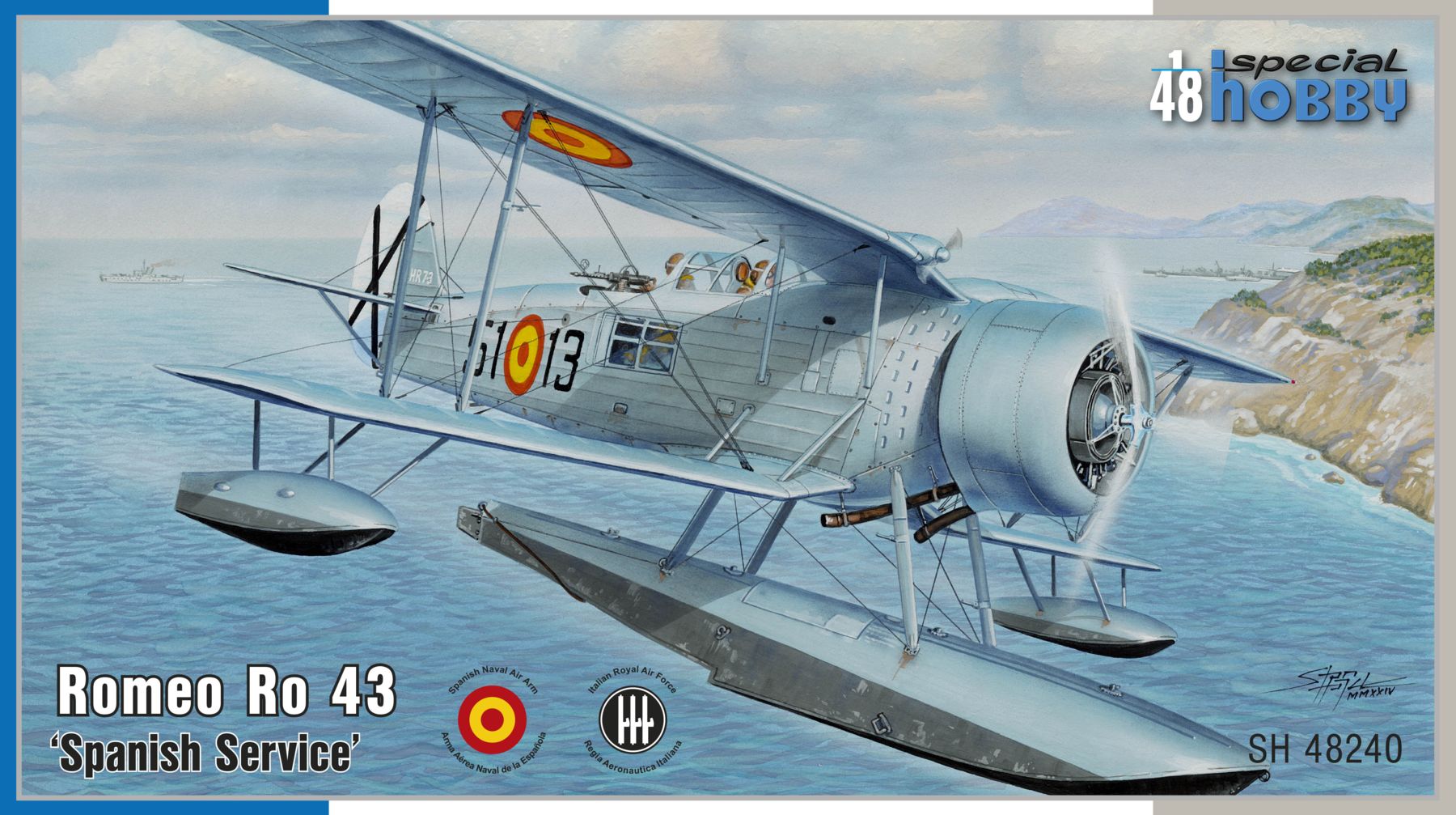
Romeo Ro 43 'Spanish Service' In September 1943 it became clear that Italy was defeated. A group of Italian navy aviators knew it, too, and so they decided to fly eight IMAM / Romeo Ro.43 floatplanes from La Spezia to La Maddalena. They took off the moment the German troops started to take over the local armoury. Two of them were shot down, remaining six managed to reach the Spanish Balearic Islands. The Ro.43s were interned t...
Piper J-3 Cub The light and cheap J-3 Cub aeroplanes were behind the development of the civil aviation in the USA in the late 1930s. With the end of the world crisis the interest in aviation increased and the J-3 was an ideal type for the basic training and tourist flying. With WW2 coming, the J-3 came into the sights of the military and the USAAF decided to test the type in the artillery spotting and short range recon roles. ...
Saab AJ-37 Viggen The Saab 37 Viggen was an aircraft well ahead of its time. Unorthodox solutions chosen by its designers not only enabled the type to meet all the requirements, but to even surpass them in a couple of respects. The Swedish military ordered the jet in several various versions which all would share a common platform, which joined only by some special equipment would permit the operation in several various roles....
Siebel Si-204E 'German Night Bomber & Trainer' The Siebel Si 204A and Si 204D were the transport and trainer versions of the twin engined aeroplane originally built to be operated by the Lufthansa as well as (and mainly) by the Luftwaffe. In the war years, a trainer bomber version was built and later used in the night bombing role. This type was designated the Si 204E and a pair of prototypes and a small batch of Si 204E-0 pro...
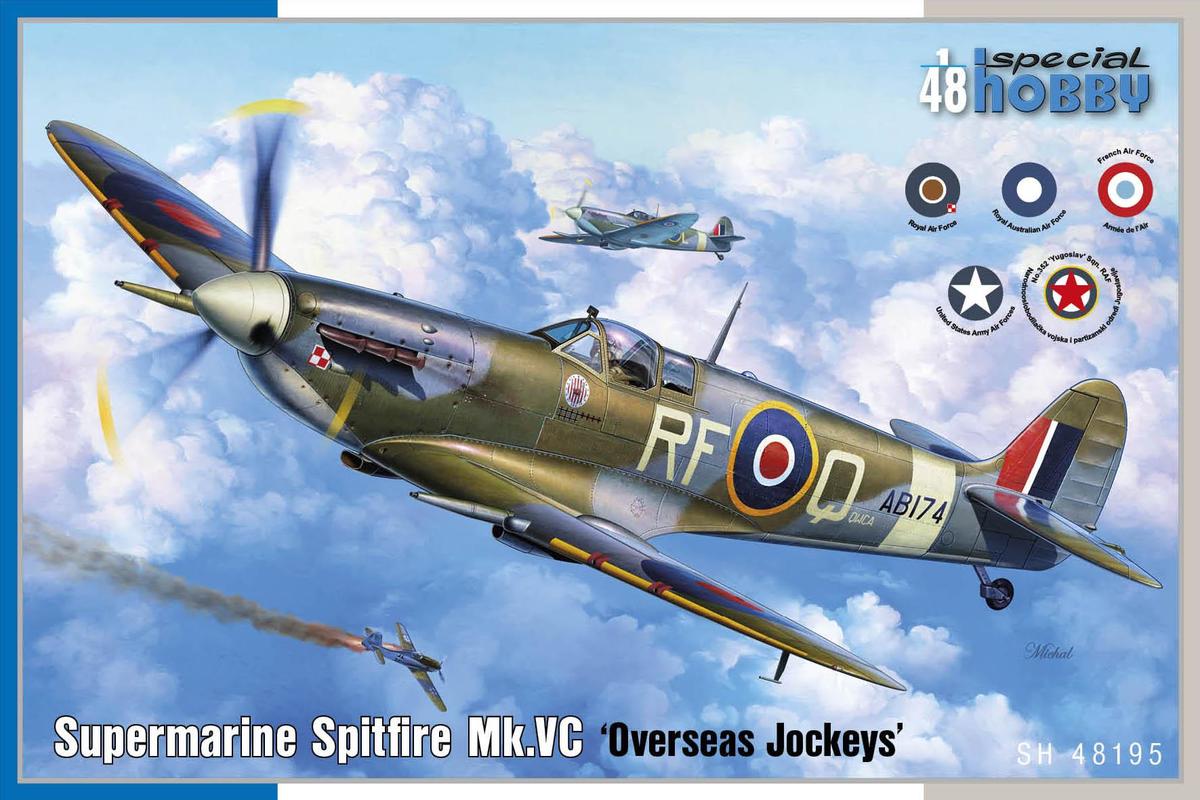
NEARLY GOOD AS NEW!!! Supermarine Spitfire Mk.VC 'Overseas Jockeys' The Supermarine Spitfire definitely belongs among the most famous warplanes of the Second World War, and the Spitfire Mk.V version was produced in the largest numbers. The Mk.Vc subversion was equipped with a strenghtened wing enabling the machine to carry various cannon / machine gun configuration and bombs beneath the wing too. The ongoing production brought...




 Advanced Search