1:32
Hawker Tempest Mk.VI During World War Two the opposing sides were constantly competing against each other to keep abreast of the latest technological developments and as a result this led to ever more powerful and effective warplanes. In 1941 the new German Fw-190 fighter aircraft began to enter service and as its main response the British hastily developed the Spitfire Mk.V into the Mk.IX with a better Merlin engine, although...
Aircraft kits (injection)
Catalogue
£41.08
-
 3
3
1:48
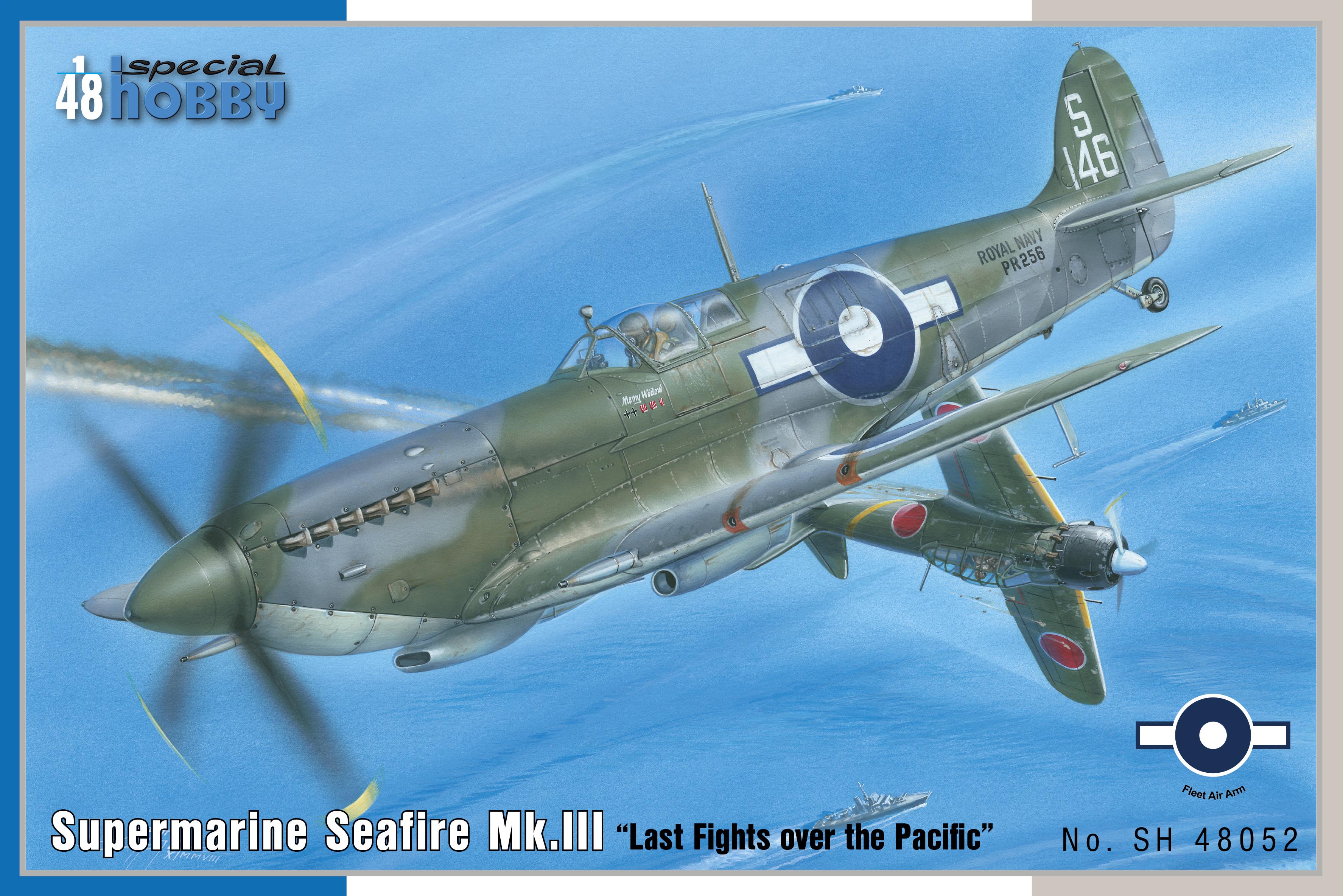
RE-RELEASED!!! Supermarine Seafire Mk.III The Seafire naval fighter aircraft came into existence during WWII as a mere stopgap measure based on a standard Mk.V Spitfire airframe adapted by adding naval equipment. Three versions were produced, which were fitted with a RR Merlin engine, which were the Mk.I to Mk.III, followed later by Griffon-equipped Seafires Mk.15, 17, 45, 46 and 47 (Special Hobby offers the Mk.15 version unde...
Aircraft kits (injection)
Catalogue
£15.17
-
10+
1:72
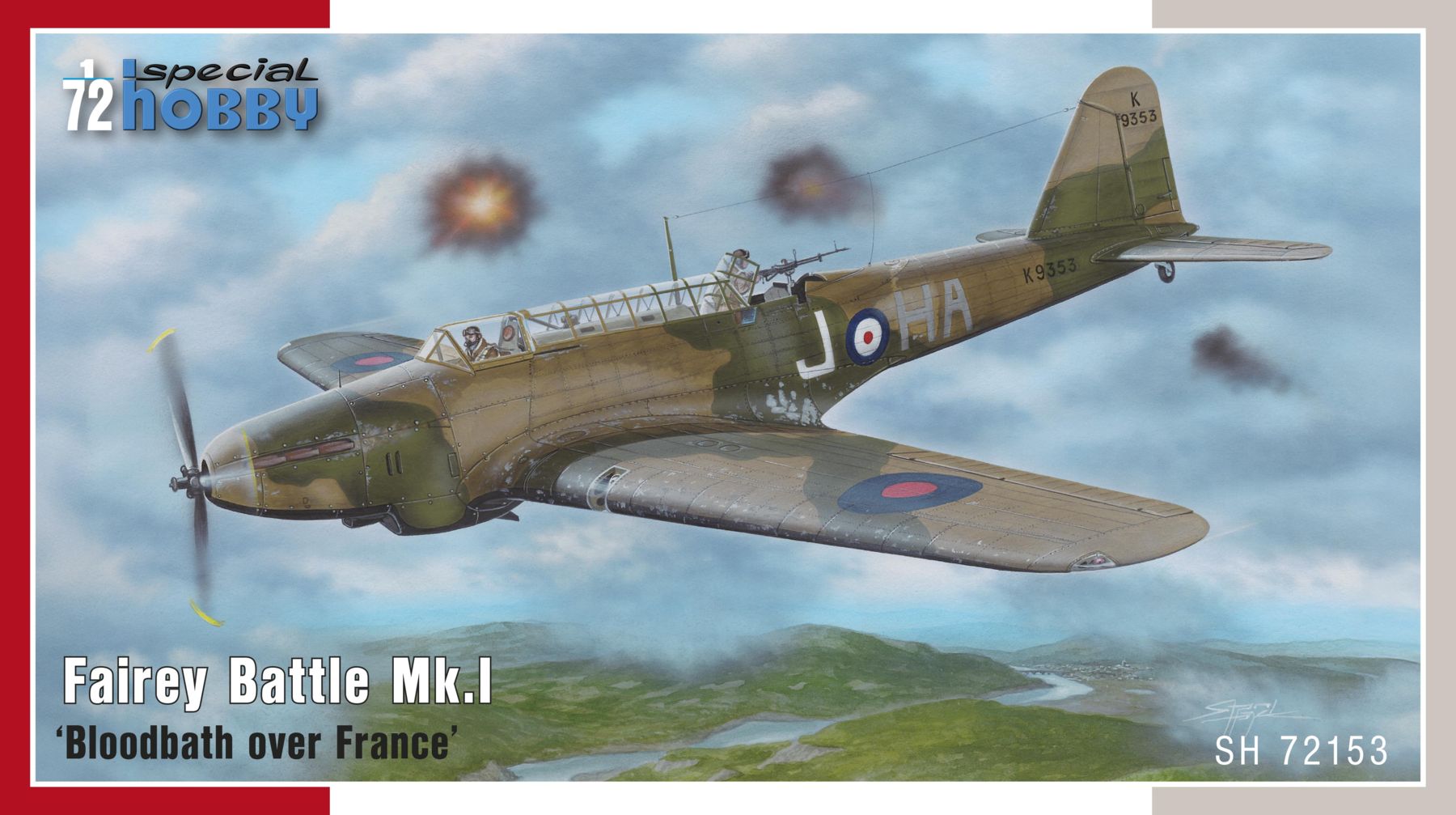
Fairey Battle Mk.I 'Bloodbath over France'
The Fairey Battle was ordered by the British Air Ministry to replace the Hawker Hart biplanes. It was one of the first modern low-wing aircraft to enter service with the RAF that began receiving the Battle in 1937. The Battle was elegant and pleasant to fly, but it was underpowered. One Merlin engine alone was simply lacking power for such a large aircraft. This was clear even befo...
Aircraft kits (injection)
Catalogue
£18.75
-
10+
1:72
Curtiss P-40F Kittyhawk Warhawk with Merlin engine
Aircraft kits (injection)
Catalogue
£14.83
-
10+
1:72
Boulton-Paul Sea Balliol T.21. The kit of the FAA version contains same fuselage sprue as in SH72234 kit. The wing sprue is different allowing building Sea Balliol with folded or straightened wings.The kit also
contains injected canopy, detailed resin and photo-etched parts Decals included offer markings for 4 FAA trainers. After the end of World War 2 British Air Ministry issued specifications calling for advanced two-seat ...
Aircraft kits (injection)
Limited Availability
£14.83
-
4
1:72
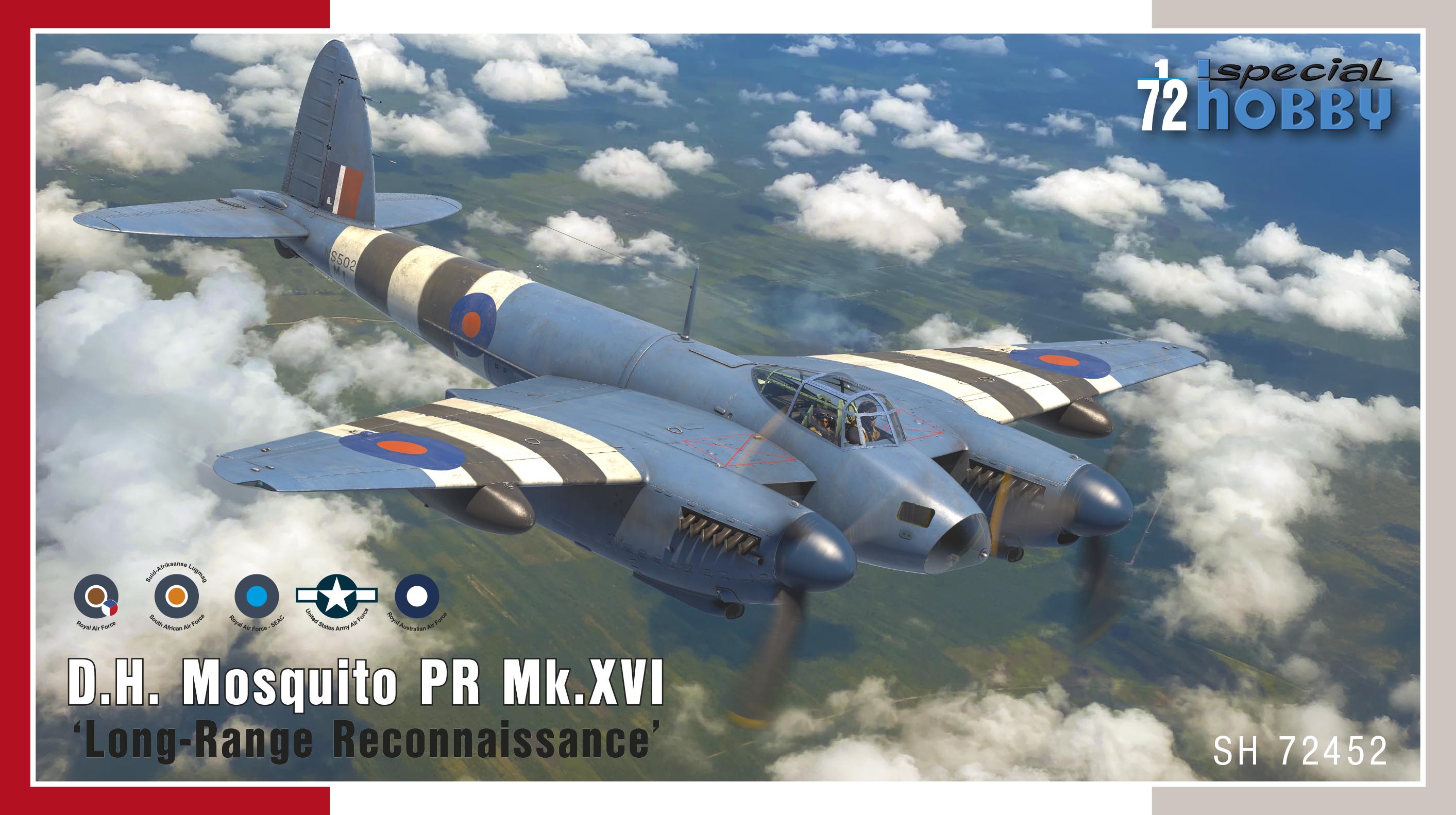
de Havilland PR Mk.XVI Mosquito The de Havilland Mosquito was a versatile twin-engine aircraft that was one of the best aircraft of World War II. It was not without reason that it was called the 'Wooden Wonder'. It was used as a night fighter, fighter-bomber, bomber, reconnaissance, anti-ship or special transport aircraft. The first generation of Mosquitos were powered by Merlin engines with single-stage superchargers. In the ...
Aircraft kits (injection)
Catalogue
£21.66
-
10+
1:72
Curtiss P-40F/L Warhawk 'Desert Hawks with Merlin' The P-40 Warhawk / Kittyhawk fighter aircraft were an important part of the USAAF and other allied air forces throughout the war. In many various subtypes, the P-40s fought on all WW2 battlefields. And so, they beared national markings of many forces and were finished in many various and interesting colour schemes.
The P-40F and L airframes differ from other P-40 versions by...
Aircraft kits (injection)
Limited Availability
£16.66
-
10+
1:72
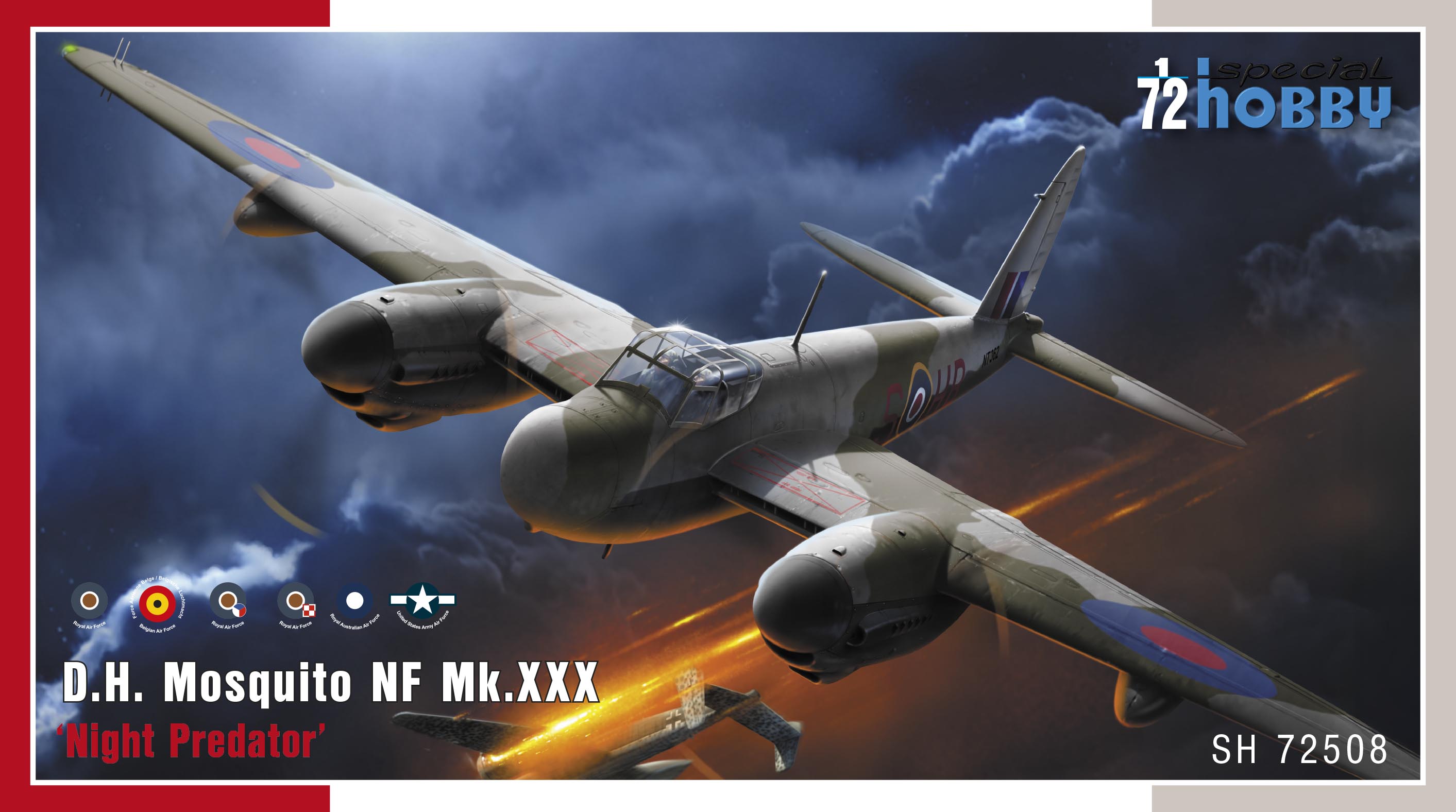
de Havilland DH.98 Mosquito NF Mk.30 'The Uhu Hunter' The de Havilland Mosquito was a versatile twin-engine aircraft that was one of the best aircraft of World War II. It was not without reason that it was called the 'Wooden Wonder'. It was used as a night fighter, fighter-bomber, bomber, reconnaissance, anti-ship or special transport aircraft. The first generation of Mosquitos were powered by Merlin engines with single-stage ...
Aircraft kits (injection)
Catalogue
£21.66
-
10+
1:72
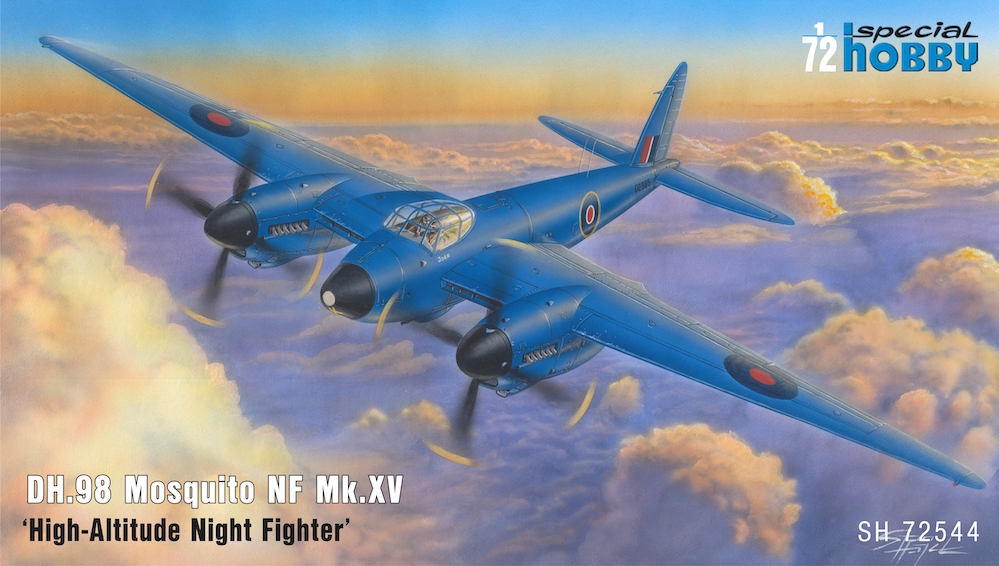
de Havilland NF Mk.XV Mosquito DH.98 'High-Altitude Night Fighter' During the Second World War, the high-altitude bomber and reconnaissance Junkers Ju-86P and R aircraft appeared over Great Britain. Initially, the RAF was unable to intervene against them, until the high-altitude versions of the Spitfire Mk.VII and the modified Spitfire Mk.IX brought about a turning point. The threat that the Luftwaffe would deploy more powerfu...
Aircraft kits (injection)
New Arrivals
£21.66
-
10+




 Advanced Search