Cookies are small text files that are placed on your computer by
websites that you visit. They are widely used in order to make
websites work, or work more efficiently, as well as to provide
information to the owners of the site.
Here is a list of cookies this site uses:
Cookie name
Description
existing_user
Stores the email address used to previously log into the site, used to prefill forms like on the reset password screen
authchallenge
Authentication security checks
hcart
Stores the anonymous customer\'s cart token. If items are added to the card while not logged in, if you log in the items will be added to the customer\'s existing cart
hannants
Stores the session information while you remain on the site
pricer
Stores if the export or eu prices is selected on the catalogue page
hidefilter
Stores if the search filter panel is hidden or shown
AWSELB
Stores which server you\'re connected to so to access the same server while you navigate around the site
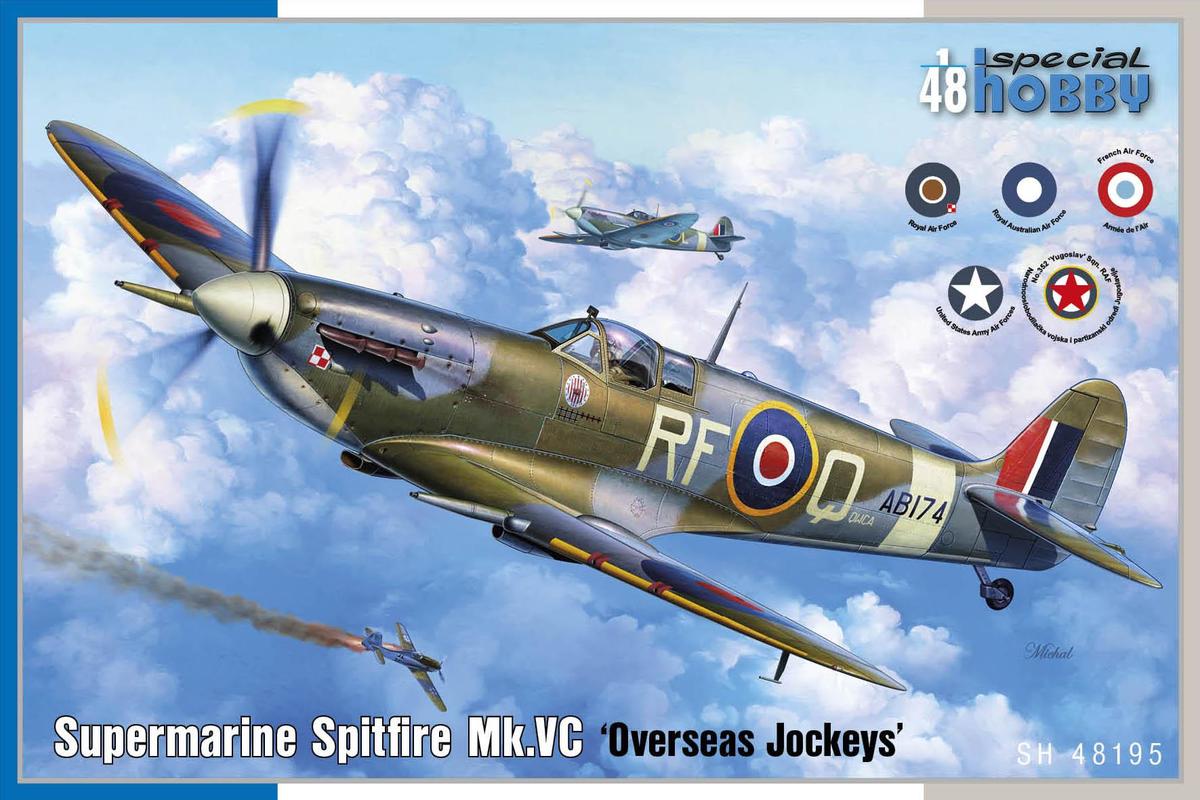
NEARLY GOOD AS NEW!!! Supermarine Spitfire Mk.VC 'Overseas Jockeys' The Supermarine Spitfire definitely belongs among the most famous warplanes of the Second World War, and the Spitfire Mk.V version was produced in the largest numbers. The Mk.Vc subversion was equipped with a strenghtened wing enabling the machine to carry various cannon / machine gun configuration and bombs beneath the wing too. The ongoing production brought...
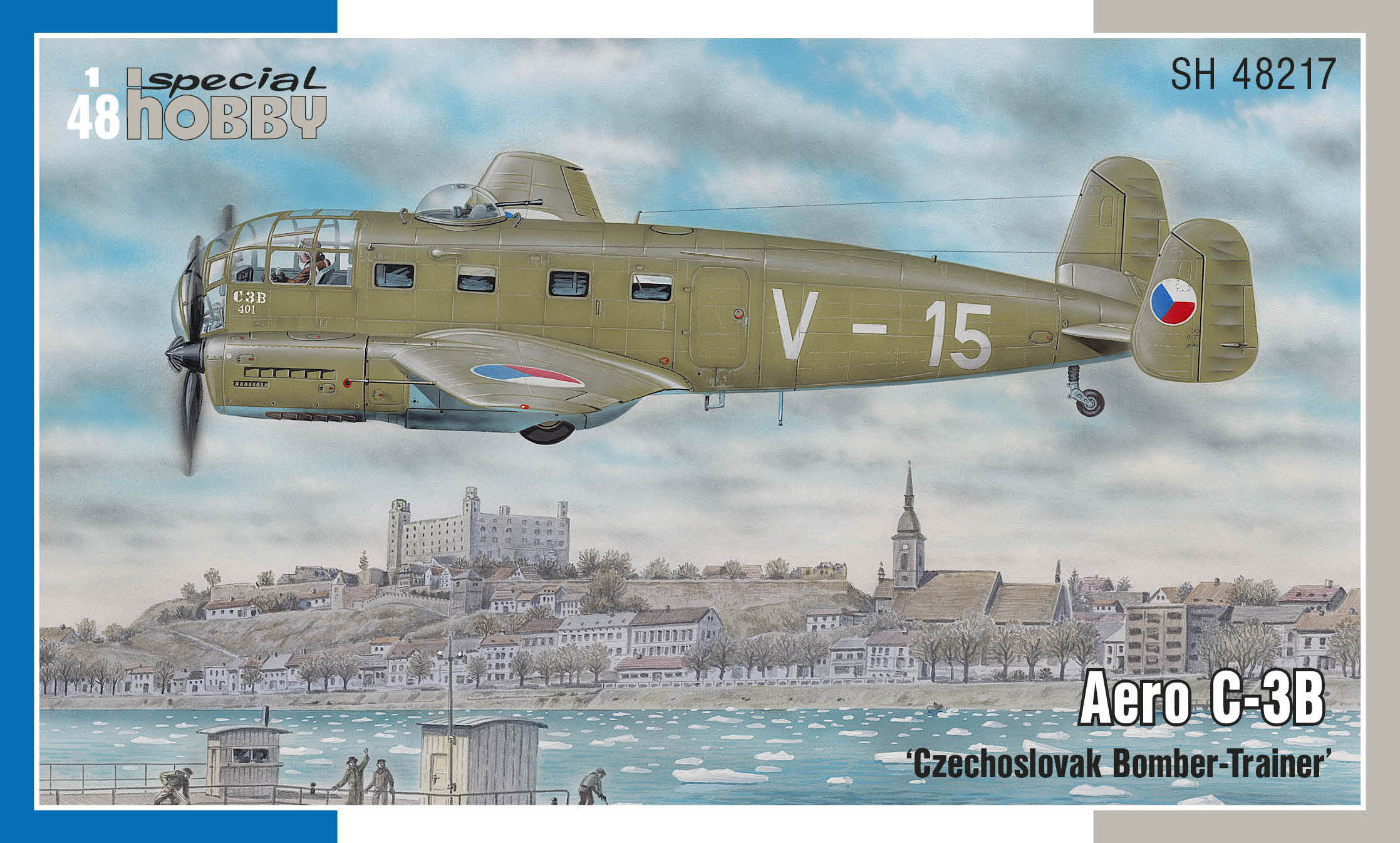
Aero C-3B 'Czechoslovak Bomber-Trainer' WAS £49.50. TEMPORARILY SAVE 1/3RD!!! T The Siebel Si 204A and Si 204D were the transport training versions of the twin-engined aircraft designed and built for the Lufthansa and, mainly, for the Luftwaffe. A bomber trainer version was also built during the war which was capable of taking night bombing missions, too. Known as the Si 204E, two prototype machines were built and a small batc...
Airspeed Oxford Mk.I 'Gunner Trainer' The Airspeed Oxford was a British aeroplane developed early in the war and mainly used in training of multi-engine aircraft crews " pilots, navigators, gunners. The Oxfords saw service with the RAF as well as with air forces of other Commonwealth countries (RNZAF, RCAF, RAAF and SAAF). In the post war years, many Oxfords were also delivered to even more other countries. The Mk.I version of...
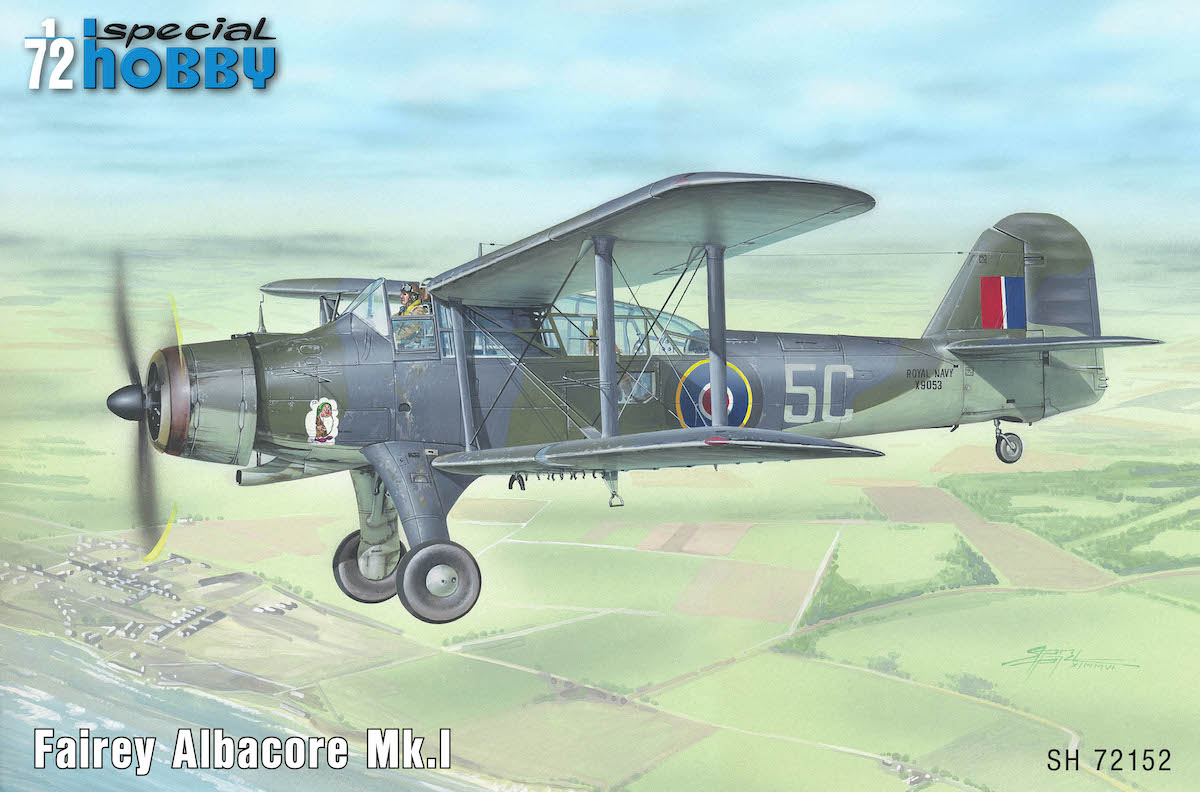
Fairey Albacore Mk.I/II The Fairey Albacore was the last biplane bomber to enter service with the British FAA. The aerodynamically refined biplane was intended to replace the older Swordfish biplanes. Like its predecessor, it was intended for torpedo and bombing attacks from horizontal and dive flight and for reconnaissance. The crewof three sat in the all-metal fuselage under a large canopy.
The Albacore entered service in ...
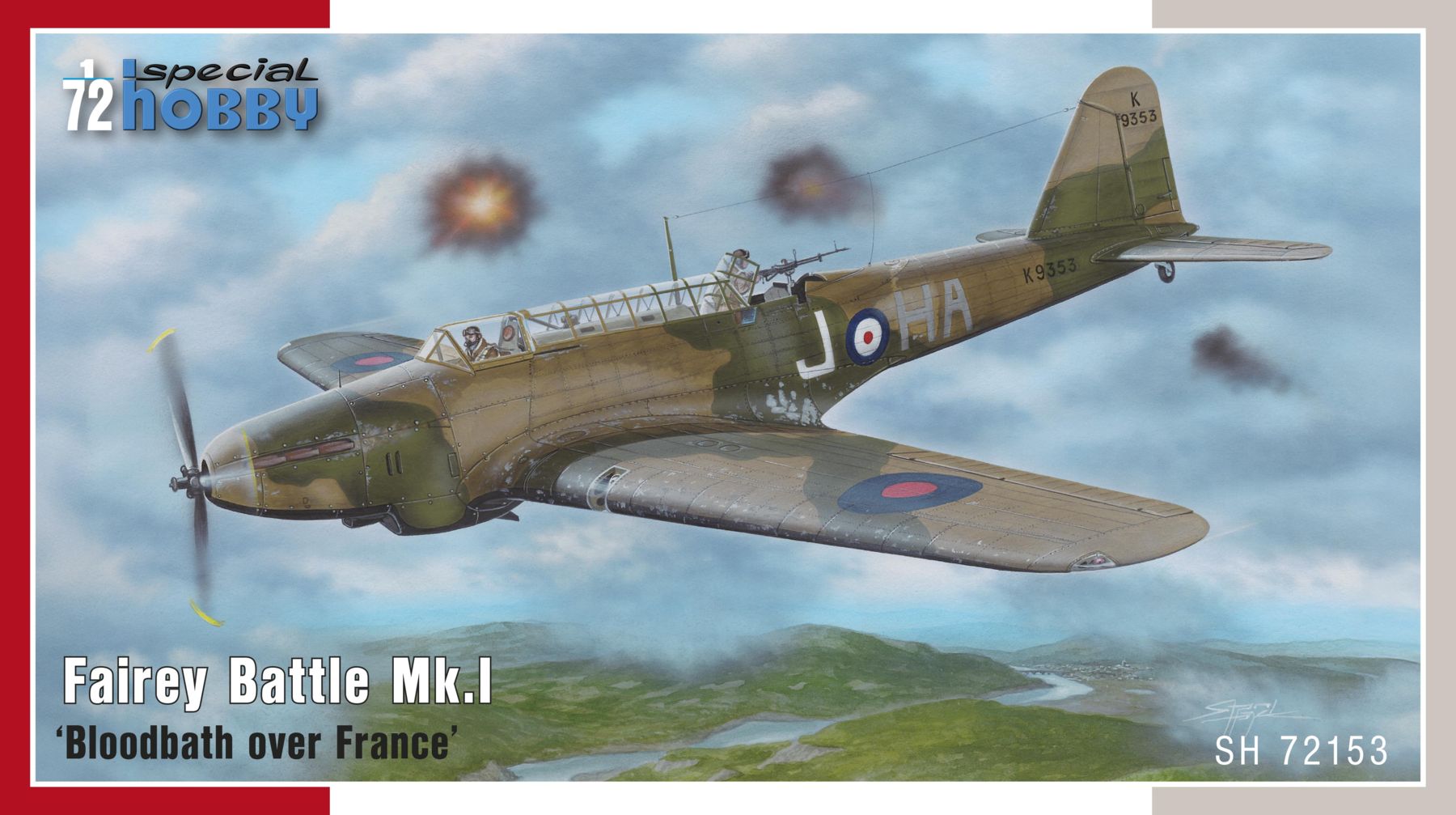
Fairey Battle Mk.I 'Bloodbath over France'
The Fairey Battle was ordered by the British Air Ministry to replace the Hawker Hart biplanes. It was one of the first modern low-wing aircraft to enter service with the RAF that began receiving the Battle in 1937. The Battle was elegant and pleasant to fly, but it was underpowered. One Merlin engine alone was simply lacking power for such a large aircraft. This was clear even befo...
Northrop Delta 1D/E In 1932 Jack K.Northrop, a famous american aircraft designer, followed his earlier and successful cargo and mail types the Alfa and Gamma and designed a new one, named the Delta. It was a all-metal, single engined low-wing monoplane with fixed undercarriage covered in spats. The type was intended to be used on short domestic routes and was built in several versions, differing by their powerplant and also th...
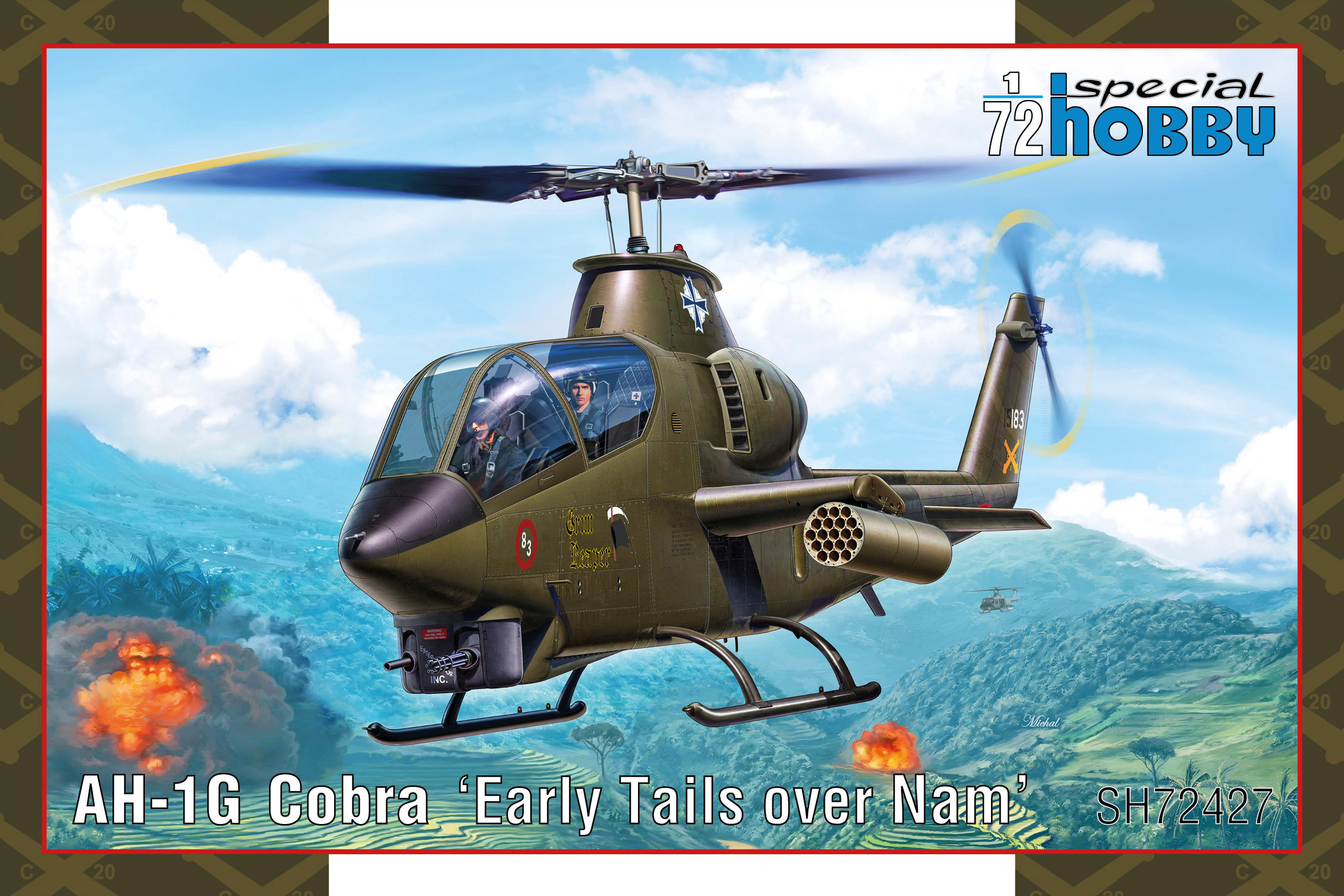
Bell AH-1G Cobra 'Early Tails Over NAM' The AH-1G Cobra was the first helicopter ever to have been developed primarily for the ground attack role. The type was deployed in the Vietnam War since 1967 and its first batches sported a left-hand side tail rotor, opposed to the later standard which would carry it on the other side. Our model kit now features four of those early batch machines, one of which happens to be the very fir...
Focke-Wulf Fw-189B-0/B-1 'German Trainer' The twin-boom Focke-Wulf Fw 189, it is not just the reconnaissance Fw-189A version. Along with ground attack prototypes, also a batch of Fw 189B training aeroplanes was built. These differed from the others by having a streamlined fuselage pod housing a crew of five. Also the undercarriage and some features on the engine nacelles were of a different style.
Some time ago, this model w...
Aero A-12 'the First of the Family' USUALLY £19.80. TEMPORARILY SAVE 1/3RD!!! The Aero A-12 was developed by Ing.Husn�k, the chief designer at the Aero factory in 1923 and was introduced to the Czechoslovak Air Force a year later. And it was just the same year that the A-12 did very well during the 2nd Speed Race for the President of the Republic Trophy. Three of the A-12s set world records in the race, the first ones to be a...
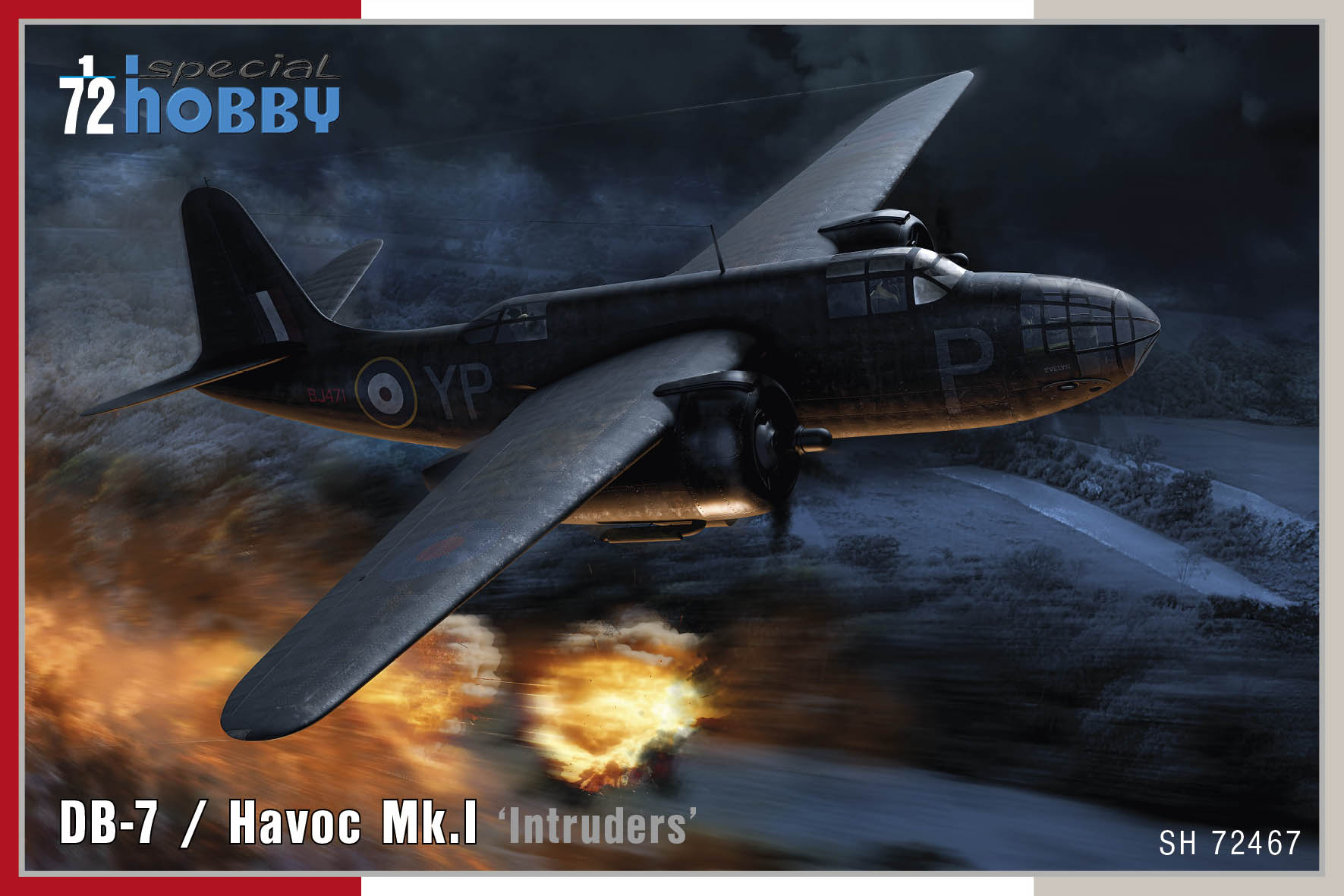
Douglas DB-7 Havoc Not long before the outbreak of WW2, France ordered the then newly developed DB-7 light bombers from the Douglas company in the USA. Some machines, powered by P&W R-1830 engines and fitted with a narrow and short tail fin, were actually received and deployed in combat in 1940. The French machines went on flying and fighting until 1945, sometimes also switching sides. Before its defeat in 1940, France was not...
Aero 11 L-BUCD Blue bird on a long flight over Europe, Africa and Asia (Aero 11 L-BUCD) The Aero A-11 was amongst the best Czechoslovak-made aircraft of the 1920s. No wonder then that the type was chosen by the crew of St.Kap Stanovsky and his mechanic Simek for their long distance flight around Europe, North Africa and the Middle East which took place in May and June 1926. For its distinctive colour, their machine was aptly n...
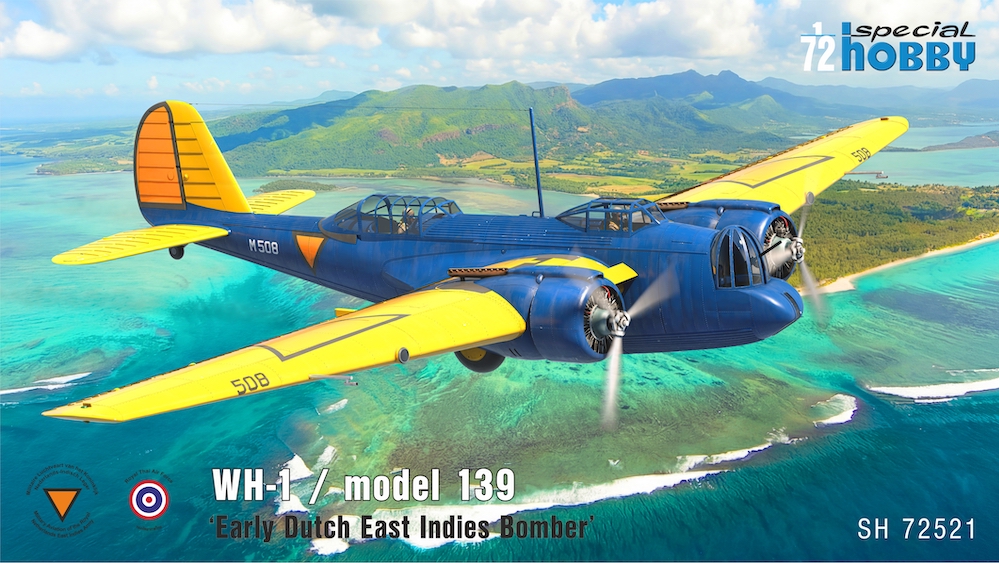
model 139/WH-1 'Early Dutch East Indies Bomber' The Martin company started the revolution in aircraft construction with their Model 139 bomber that was also designated by the USAAF B-10, B-12 or B-14 depending on the engines used. In the early 1930s, the air was dominated by fabric-covered biplanes and then suddenly an all-metal monoplane appeared, with closed crew cockpits and cowled engines. Those new bombers were not only f...
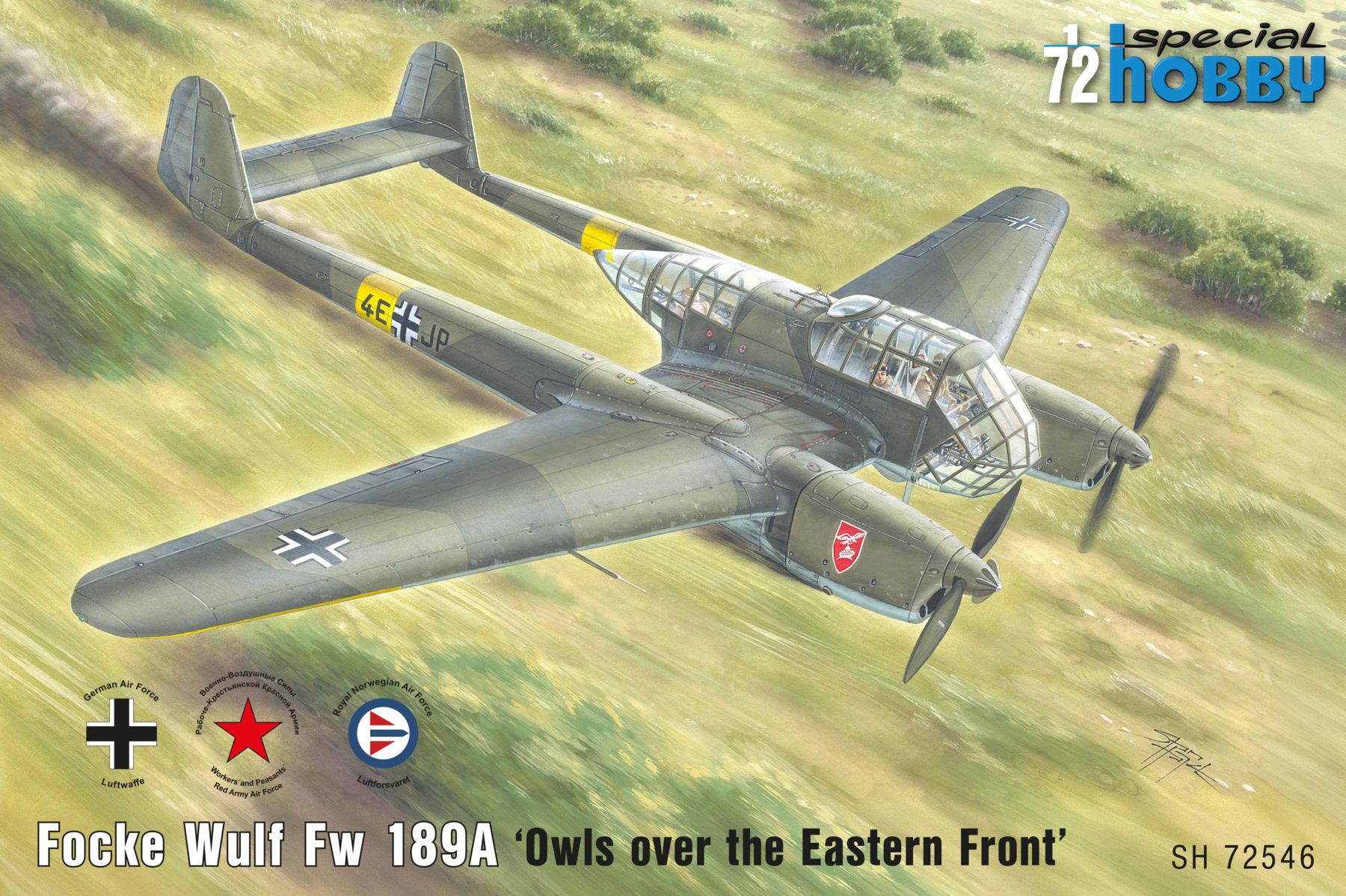
Focke-Wulf Fw-189A 'Owls over the Eastern Front' In 1937, the RLM (Reichsluftfahrtministerium) issued specifications for a new Luftwaffe reconnaissance aircraft. The companies Blohm Voss with their asymmetric BV 141, Arado with the single-engine Ar 198 and Focke Wulf with the Fw 189 project participated in the competition. The winner was the Focke Wulf.
Like the BV 141, the Fw 189 stood out with an unusual technical solution....
de Havilland DH.112 Sea Venom FAW.21/FAW.53. The Sea Venom FAW.21 was a British all-weather fighter, used in the 1950s by the British FAA and in the export version FAW.53 by the Australian RAN. It operated from aircraft carriers and land bases. It was characterized by a two-seat cockpit with the crew sitting side by side in a central fuselage nacelle and twin tailbooms. The most significant event in which the Sea Venoms partic...




 Advanced Search