Cookies are small text files that are placed on your computer by
websites that you visit. They are widely used in order to make
websites work, or work more efficiently, as well as to provide
information to the owners of the site.
Here is a list of cookies this site uses:
Cookie name
Description
existing_user
Stores the email address used to previously log into the site, used to prefill forms like on the reset password screen
authchallenge
Authentication security checks
hcart
Stores the anonymous customer\'s cart token. If items are added to the card while not logged in, if you log in the items will be added to the customer\'s existing cart
hannants
Stores the session information while you remain on the site
pricer
Stores if the export or eu prices is selected on the catalogue page
hidefilter
Stores if the search filter panel is hidden or shown
AWSELB
Stores which server you\'re connected to so to access the same server while you navigate around the site
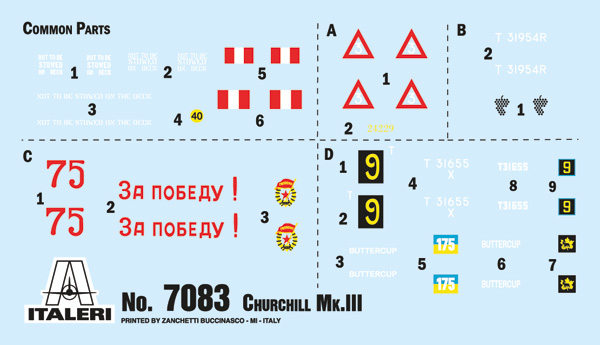
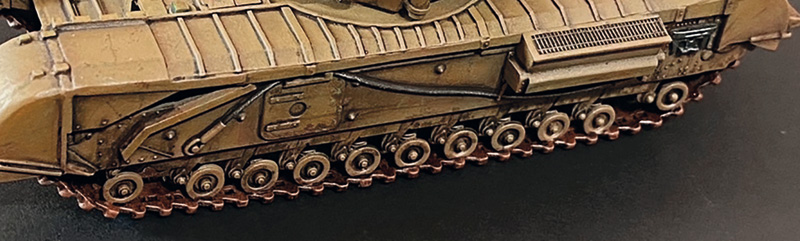
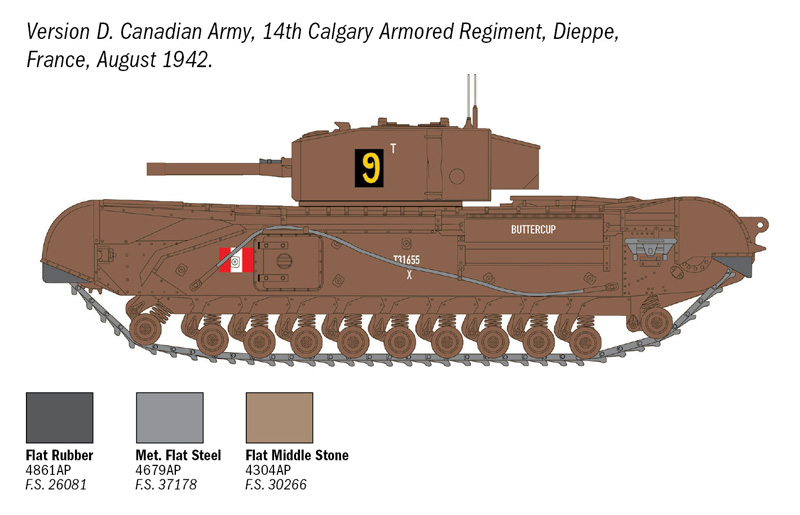
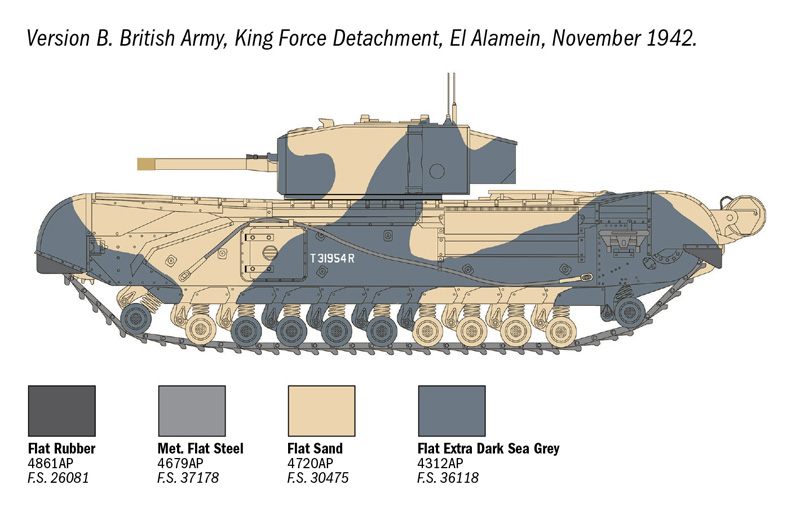
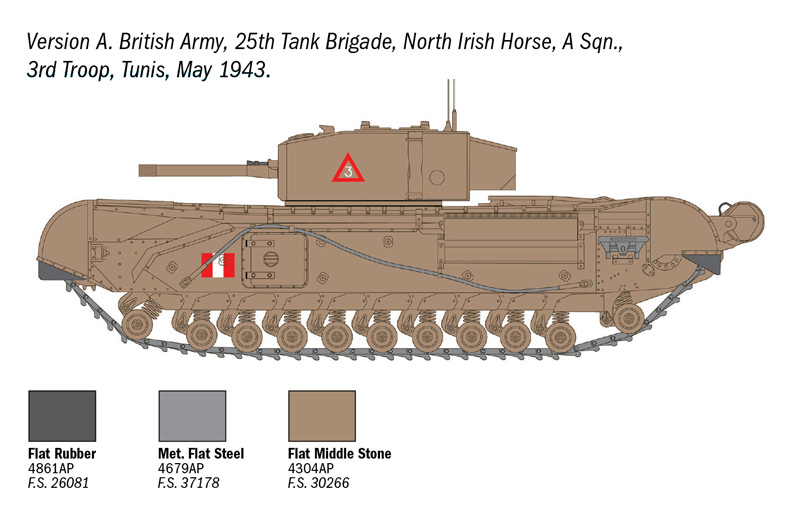
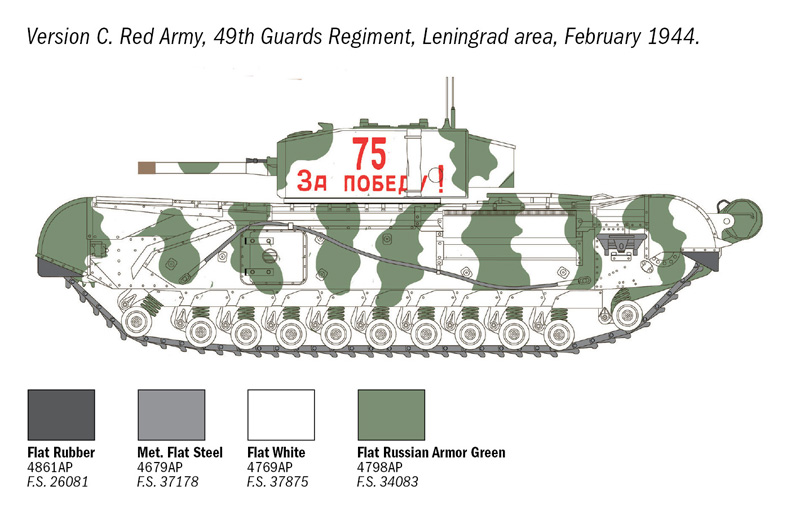
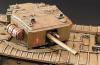
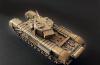
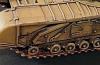
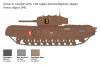
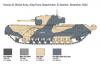
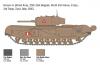
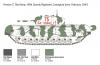
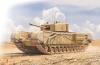
Churchill Mk.III GLUABLE RUBBER TRACKS - COLOR INSTRUCTIONS SHEET
1 FIGURE INCLUDED
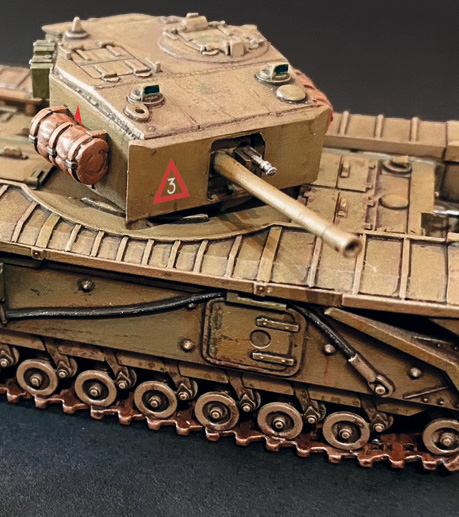
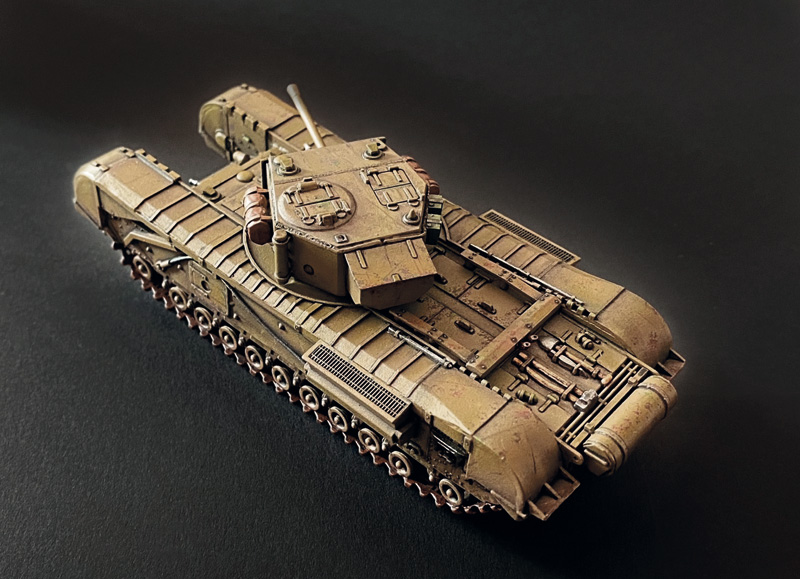
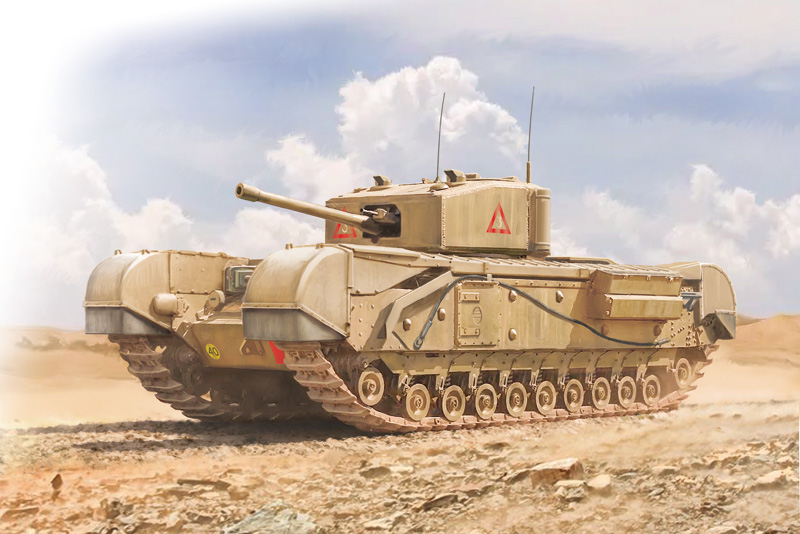
The Churchill medium tank came into service with the British Army in 1942 to support and replace the earlier Valentines, Matildas and Crusaders, which, by then, were all outdated and inadequate in terms of both armor and weaponry, easily falling prey to the more advanced German tanks. Equipped with thick armor and a reliable engine, it proved to be tough and dependable, later being produced in ever-more efficient, upgraded versions. Its chassis was also used as a platform for specialized support vehicles such as the mine clearer, the bridge layer and the flame-thrower.
British QF 6-pdr (57mm) - version Mk.V L/50 (long) + Besa MG tips - for Crusader Mk.III, Churchill Mk.III/IV, Valentine Mk.VIII/IX (designed to be used with Dragon and Italeri kits)
Mainly used in Churchill Mk.III/IV tank:
Italeri 7019 Churchill MK.III
Dragon 7510 Churchill Mk.III (Dieppe 1942)
Dragon 7520 Churchill Mk.III Fitted For Wading Operation Jubilee, Dieppe France 1942
Dragon 7396 Churchill Mk.III
Dragon 7424 British Churchill Mk. IV
Also, as mentioned above, can be used for Crusader Mk.III equiped with longer (later) 6pdr gun.
More
Military vehicle detailing sets (brass)
Catalogue
£5.60
Here are some books and decals you might find useful for this kit
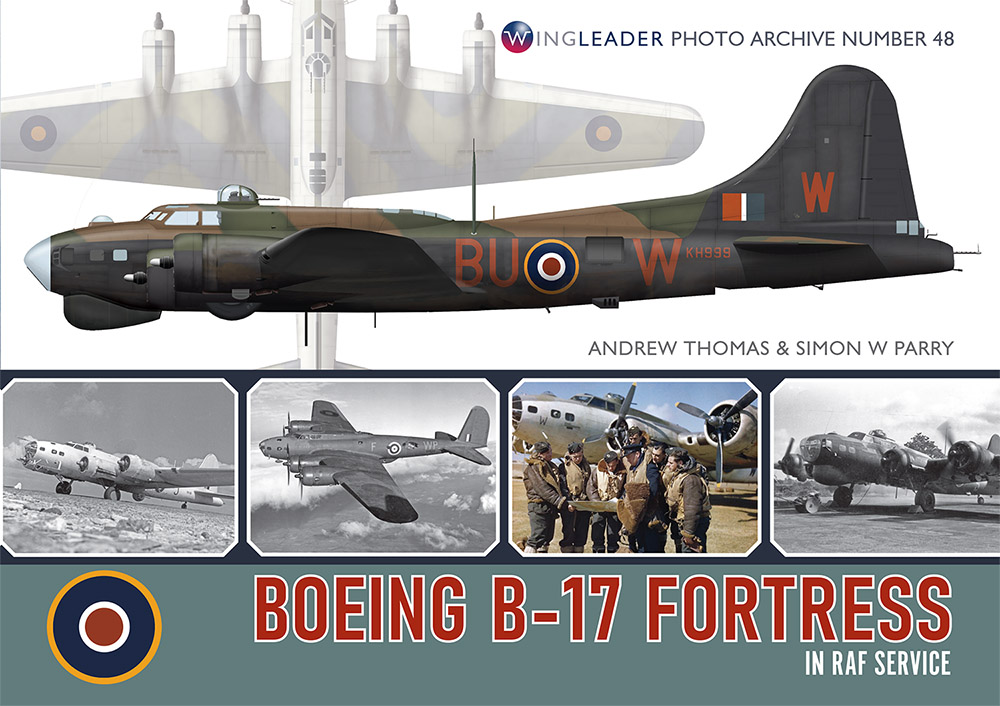
Boeing B-17 Fortress in RAF Service by Andrew Thomas and Simon W Parry
Paperback
Pages: 72
Illustrations:
approx 120 photos and 6 colour profiles
Before America declared war, Churchill was keen to get US aircraft into the RAF, if only for propaganda. In the autumn of 1940 the British tried to buy some B-17s, but were told that the few B-17s available were all earmarked for the USAAC. However, they were persuaded to part with 20 B-17s for operational trials, the results of which would be reported on by American 'Observers' based with the squadron. The B-17Cs were used by 90 Squadron to trial high-altitude bombing, but were not a success.
The B-17 was next tried with RAF Coastal Command as a long range maritime patrol aircraft. By this time the more advanced Mk.II was available (Based on the B-17E and F), with the distinctive dorsal fin fillet and redesigned armament. Again, the B-17 didn't suit this role very well, but it saw more widespread service than in the bomber role.
The final RAF use of the B-17 was with 100 Group in the Radio Counter-Measures role. This time the airframes were mainly based on the B-17G and known as the Fortress Mk.III. Their task was to fly above the bomber stream over the target area and disrupt the enemy radio communications via a wide array of electronic devices. This they did very well from spring 1944 right up until the end of WW2.




 Advanced Search

 0
0